
"We are closing our doors today so that the doors to a free and democratic society do not close tomorrow." Immigrant-owned businesses in Magdeburg staged a strike ahead of the Saxony-Anhalt state election, where the far-right AfD is currently leading in the polls.
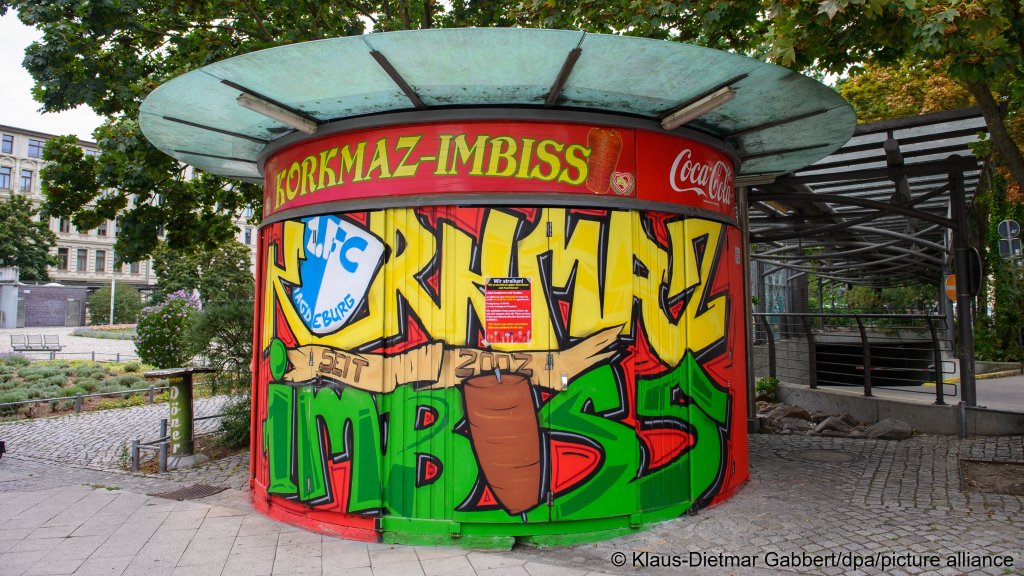
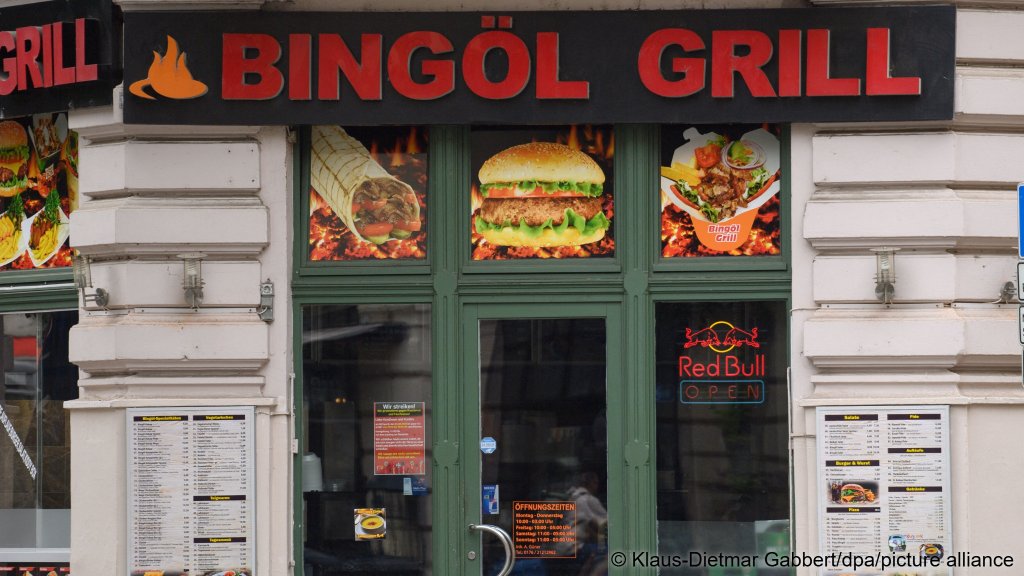
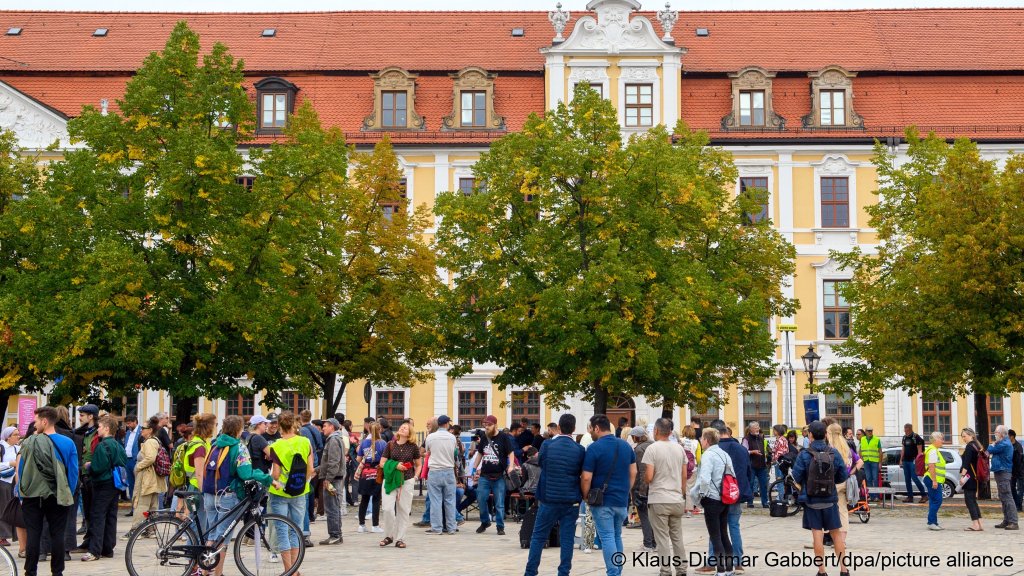
On Wednesday (August 26), immigrant‑owned shops, restaurants and small businesses in the eastern German state capital of Magdeburg closed their doors for five hours as part of a "Migra‑Strike" aimed at warning against the consequences of a far‑right election win in Saxony‑Anhalt. Organized with the backing of the Refugee Council of Saxony‑Anhalt, the action saw roughly 120-150 businesses shut between 10 am and 3 pm, followed by a rally in front of the state parliament at 1 pm.
"We are closing our doors today so that the doors to a free and democratic society do not close tomorrow," said the Refugee Council of Saxony‑Anhalt, which supported the initiative.
The protest comes days before the state election on 6 September, in which the anti‑immigration Alternative for Germany (AfD) is leading strongly in the polls and hopes to form a state government for the first time. The party, which the German domestic security service has classified as "right‑wing extremist", has pledged a "deportation and remigration offensive" in its election program.
Read AlsoGermany: new deportation center for rejected asylum seekers opens in Saxony
A strike shaped by fear and everyday racism
Organisers say the strike is rooted in lived experiences of racism and social exclusion, as well as a hardening political debate in which people’s sense of belonging is increasingly called into question on the basis of their background or family history of immigration.
Calls for "mass deportations and the exclusion of immigrants and their children from our society" have sparked "fear and uncertainty" among many residents from immigrant backgrounds, the council said.
"Many participants report that they are increasingly afraid of hostility," Saaeid Saaeid of the Refugee Council told public broadcaster ARD. He described receiving "unfathomably many hate comments, threatening emails, even phone calls" after the strike was announced, with messages telling participants they would "lose their jobs after the election" or should "go back to their home countries".
Right‑wing media had also announced plans to attend the rally to intimidate participants, Saaeid added, pointing to the risk that verbal attacks could escalate into physical violence in the wake of the 2024 Magdeburg Christmas market attack.
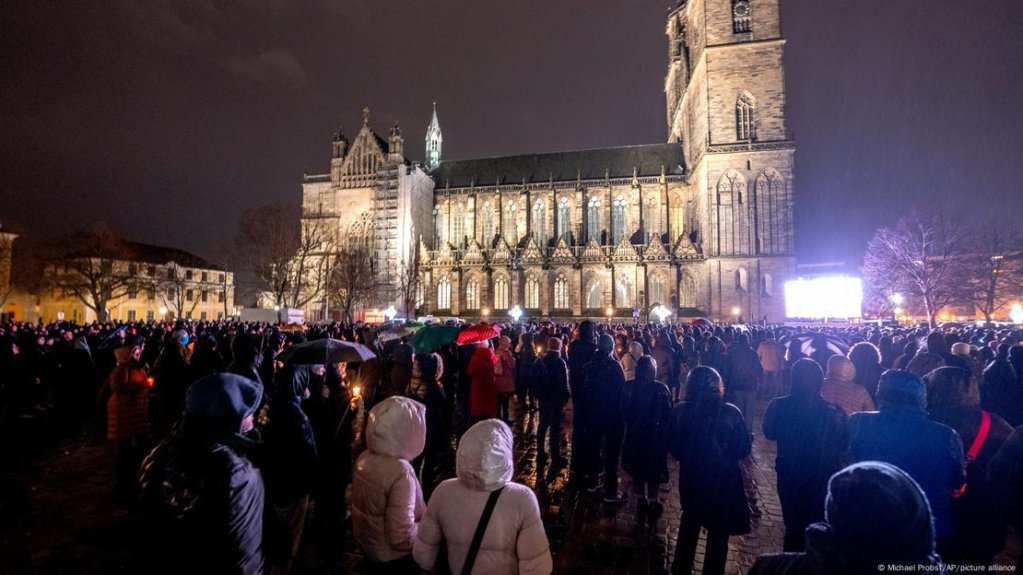
Andra Dreßler, managing director of the State Network of Migrant Organisations in Saxony‑Anhalt (LAMSA), told Der Standard that while there was hope many voters would "think carefully" before the election, "we are seeing a lot of fear. Many people are agitated and uncertain." She noted a marked deterioration in the social atmosphere in recent years, particularly after the Magdeburg attack, with racist remarks voiced more openly and inhibitions falling in everyday situations such as shopping or dealing with authorities.
Read AlsoGermany deports 23 men to Kabul amid broadening Afghan returns
Why a 'Migra‑Strike' – and why now?
The strike was deliberately limited to self‑employed business owners rather than employees. "So that it is legally clean. Political strikes are prohibited in Germany and we don’t want to cause problems for anyone. Self‑employed people have the freedom and flexibility to close their business for a day," Saaeid told taz. By focusing on independent traders, the organizers navigated Germany’s restrictive rules on political strikes while still creating a visible, disruptive signal.
Participants included restaurants, barbershops, kiosks and other shops, many clustered around Magdeburg’s Hasselbachplatz. Around 10 percent of those taking part were German‑owned businesses joining in solidarity. Posters in shop windows explained the reason for the closures, turning everyday errands into moments of political reflection.
"This is meant as a wake‑up call to society, an appeal to look closely at the AfD’s program," Saaeid said. "Let’s not be divided into foreigners and Germans; society must stay together." A co‑organizer added that the action was also intended to highlight "what would be missing if the shops run by immigrants did not exist," noting that immigrants and their children also sustain nursing care, the medical sector, parcel delivery, construction and industry. "But we don’t want to be seen only as labor; we want to be seen as human beings with all our needs."
Read AlsoRow over swimming lake's German language policy makes migrants uncomfortable
Election stakes: a 'deportation offensive' in a shrinking state
The AfD’s election program in Saxony‑Anhalt includes a "deportation and remigration offensive" that experts warn could have severe consequences for the state’s already tight labour market. Demographic pressures are acute: in 2025, only around 12,000 children were born in Saxony‑Anhalt, roughly one‑third of the 1990 level. Markus Behrens of the Federal Employment Agency’s regional directorate for Saxony‑Anhalt and Thuringia told ZDF that immigration is essential to "close the gap" and enable companies to access skilled workers.
Against this backdrop, the strike is both a pragmatic and symbolic choice. "Because strike is a democratic tool with direct effects. People notice it immediately in their daily lives, for example when shopping and a shop is closed," Saaeid told the German newspaper taz. Some participants face tangible financial losses: "For a well‑known food supplier, that will certainly mean lost sales of several thousand euros," he said, adding that many signed up despite economic concerns. "That shows very clearly how serious the mood is here."
Read AlsoGerman asylum benefits cuts violate EU law, top court rules
Community pressure and resolve
Within immigrant business communities, social pressure to participate has been significant. "If one business plans to close and the neighbour doesn’t join in, then the community very strongly encourages them to take part," Saaeid explained. Asked by taz whether the strike could expand, he replied cautiously but pointed to the mood on the ground: "I can’t speak for everyone, but the determination is great."
For many immigrants, the upcoming vote is not an abstract political contest but a concrete threat. As one organizer put it, the action is about insisting that "human dignity, equality and social inclusion are non‑negotiable" – and that belonging must not depend on work, economic performance or social utility.
Read AlsoGermany: Border controls and tougher migration policies to stay, vows interior minister
With AFP