
Martynka, a helpline and support group for female Ukrainian refugees escaping gender-based violence in Poland, is struggling to stay open at a time when anti-Ukrainian sentiment is increasing and funding support is diminishing.
The Associated Press reported on Tuesday (August 25) that Martynka, founded by Ukrainian national Nastya Podorozhnya, is feeling the brunt of dwindling refugee support as funding dries up and public hostility towards Ukrainians is increasing. The 29-year-old Podorozhnya started the helpline when the Russian invasion of her country in 2022 brought in a surge of Ukrainians fleeing to Poland.
Ukrainian women were at increased risk of being vulnerable to traffickers and other forms of exploitation. She set up Martynka's shelter in a two-bedroom apartment in central Krakow where women could receive help to escape abusers, and access services such as medical and psychological support in a safe environment.
Four years on, the organization is struggling as funding sources worn out by war fatigue are redirecting their efforts to other crises.
Read AlsoPolish Prime Minister warns of rising anti-Ukrainian sentiment following attack
Host to second highest number of Ukrainians
According to Eurostat, as of June 2026, among the EU countries hosting the highest number of beneficiaries of temporary protection from Ukraine were Germany (1,286,230 people or about 29 percent of the EU total) followed by Poland (961,170 or about 22 percent).
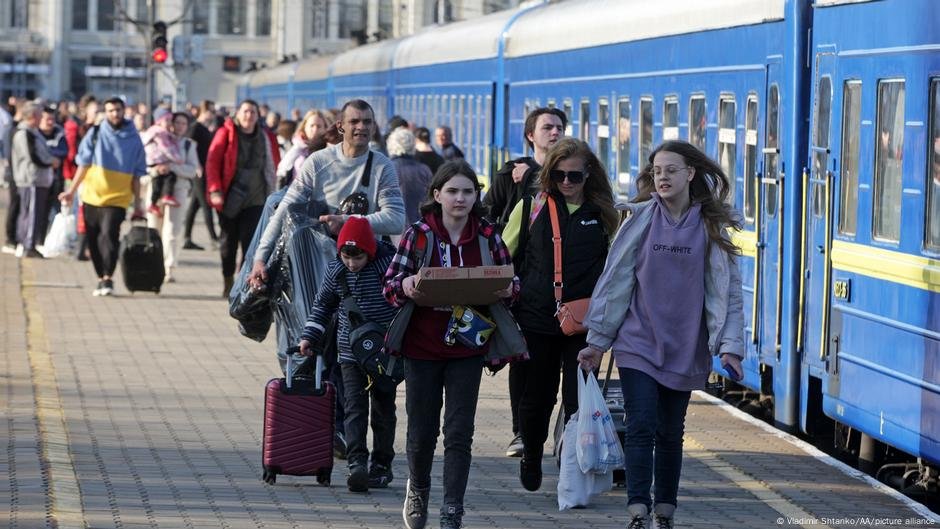
Funding for refugee support is drying up, hostility toward Ukrainians is growing, and Poland still lacks a long-term integration strategy. As war fatigue deepens, politicians are increasingly exploiting anti-refugee sentiment for political gain. Podorozhnya told AP that this is directly affecting her organization and calls for donations frequently trigger a torrent of online abuse.
Government findings indicate that this is not an isolated incident. Last month, Commissioner for Human Rights Marcin Wiącek spoke on TVN 24, expressing concern about the increasing hate crimes against Ukrainians. There was a "disturbing disproportion" between the number of registered cases, tagged at approximately 2,600 last year and the number of indictments at only 350.
Wiącek said that the current criminal law system sufficiently provides for prosecution; the uncertainty of punishment can foster a sense of impunity for perpetrators.
Read AlsoPoland rocked by anti-immigration protests as demographics evolve
Increasing hate and hostility
Also last month, an attack on a young Ukrainian couple in the southwestern Polish city of Wroclaw prompted warnings from Polish Prime Minister Donald Tusk over anti-Ukrainian hostilities in the country.
On X, Tusk wrote that Poland was declaring war on “violence, hatred and impunity” following attacks on Ukrainians.
On August 24, on Ukraine's Independence Day, Weronika Marczuk, representative of the Ukrainian Ombudsman (Ombudsman) in Poland, said that Ukrainian citizens living in Poland are feeling a shift in the attitude of both officials and citizens seen in dismissive justifications for administrative decisions, an exceptionally harsh approach to Ukrainians committing not only crimes but also misdemeanors.
"I observe with concern that words and messages that reinforce divisions, create an atmosphere of hostility and perpetuate prejudices against Ukrainians are increasingly appearing in the public space."
In 2022, the Polish government drafted an official act to phase out measures introduced in 2022 to support people displaced from Ukraine. After 5 March 2026, following a transitional period, beneficiaries of temporary protection would face reduced access to some family benefits, healthcare, and accommodation.
Read AlsoUkraine, eastern EU states accused of discriminating against non-Ukrainian refugees