
Overall attitudes on migration have turned somewhat unwelcoming in the UK in recent years, as thousands of irregular migrants continue to make weekly headlines, arriving on the shores of Kent and other nearby countries. But one village in Scotland is taking a different approach: Greenock has decided that migrants -- rather than being a problem -- are part of a solution to a problem that is soon going to grip much of the region: depopulation.
In Greenock, foreigners and migrants have become part and parcel of the local landscape. The town looks like a small rainbow nation, with African, Afghan, and Syrian migrants -- as well as Ukrainian war refugees -- calling the community their new home.
Many foreign nationals say they have found a "supportive community" with a strong support system in Greenock. One African immigrant told the BBC that Scottish people "are lovely and accommodating," while another said that it is a "lovely, friendly" town.
The small community, located about 30 kilometers west of Glasgow, views these immigrants as a saving grace who help mitigate the plummeting population numbers. The local council has even launched new campaigns to attract more and more migrants to the coastal town, having identified the issue of population decline as its chief priority.
But can this strategy succeed in the long term?
Read AlsoScotland needs more migrants to meet economic and social needs, says SNP party
From industrial heritage to tumbleweed and crickets
Back in 1981, the number of local residents stood right around 100,000. Fast-forward to the present, and the town is looking at a current population of only 78,000, which is projected to fall by a further 16 percent in the next 20 years.
The main reason for depopulation has been a steady decline in work opportunities in the area over a long period:
Greenock had a proud history steeped in shipbuilding for several centuries: during the Industrial Revolution, Greenock evolved into a global hub for refining sugar, replacing its seafaring tradition.
More recently, until 2016, computer manufacturer IBM operated a campus with over 5,000 employees just outside the town after the sugar business had shifted further south.
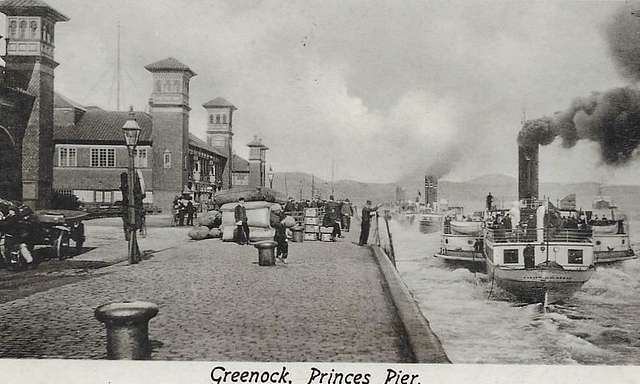
But for the past decade, there's been nothing to draw people to this increasingly abandoned place on Scotland's rugged west coast -- least of all work opportunities. Even an Amazon fulfillment center with hundreds of jobs eventually moved away.
Add the effects of urbanization to that equation, and it quickly becomes evident why no other community in Scotland has been as affected by population decline as Greenock.
Meanwhile, the overall population of Scotland -- along with Wales and Northern Ireland -- are all expected to decline within the next decade.
Read AlsoChanges in the UK health and care worker visa – What you need to know
Demand for people with healthcare skills
Aging communities tend to be another direct consequence of broader depopulation trends, with younger people moving away while the elderly remain where they are.
This has meant that jobs in healthcare and social programs have been growing steadily -- professional roles, which are increasingly being filled by foreign nationals in the UK.
In fact, many foreign nationals living in Greenock had first arrived in Scotland on skilled work visas for various care and nursing positions.
The local council has been offering English classes to help such newcomers access skilled employment positions in hospitals, care facilities and other industries.
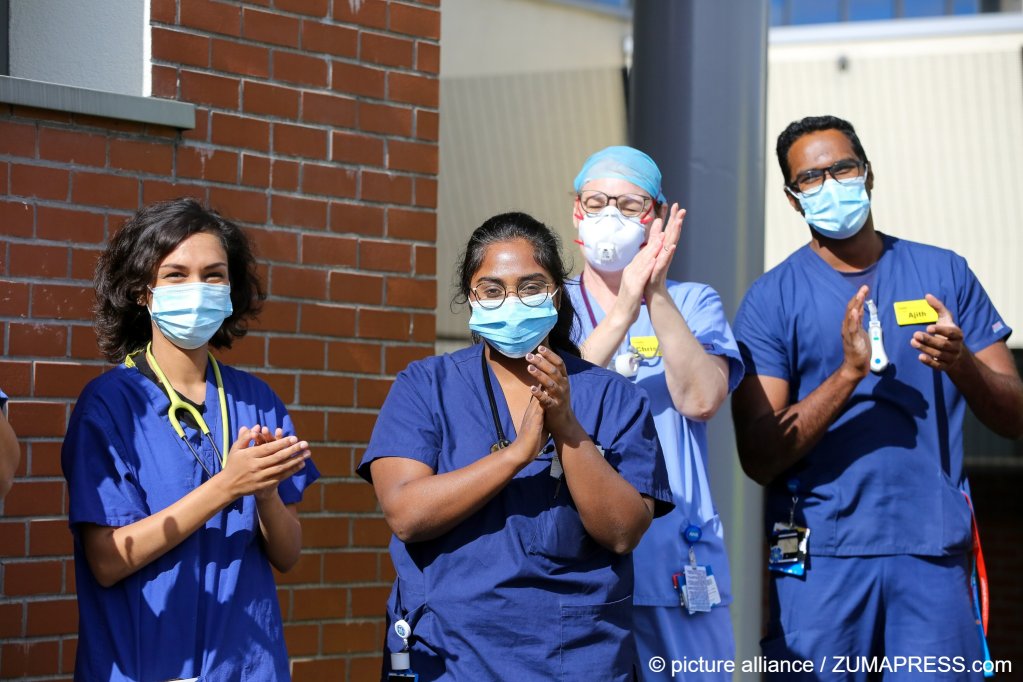
Stephen McCabe, who has been the leader of the local council for nearly 20 years, tells the BBC that such migrants have become indispensable for the town's future:
"Without those people, our health service would really be struggling... The refugees who have come have brought benefits to this area. They will bring ambition. They'll bring children to this area," he said.
As part of the repopulation initiative, Greenock also wants the new members of the community to set down roots there, while also continuing to attract other legal migrants in the UK as well as people who've been granted asylum.
But does everyone agree?
Read AlsoBritain publishes divisive behavioral guide for migrants on sex, gender and equality
Limited hesitation and opposition
According to a BBC report, the town's older population has some doubts about the repopulation scheme. After all, after a decade of decline, any notable change would require hundreds of migrants to decide to move to Greenock each year.
While jobs in areas like healthcare keep the current migrant population in employment, and while there are some local businesses catering for migrant populations -- such as African food shops -- an influx of such large proportions would raise questions about finding work opportunities for everyone.
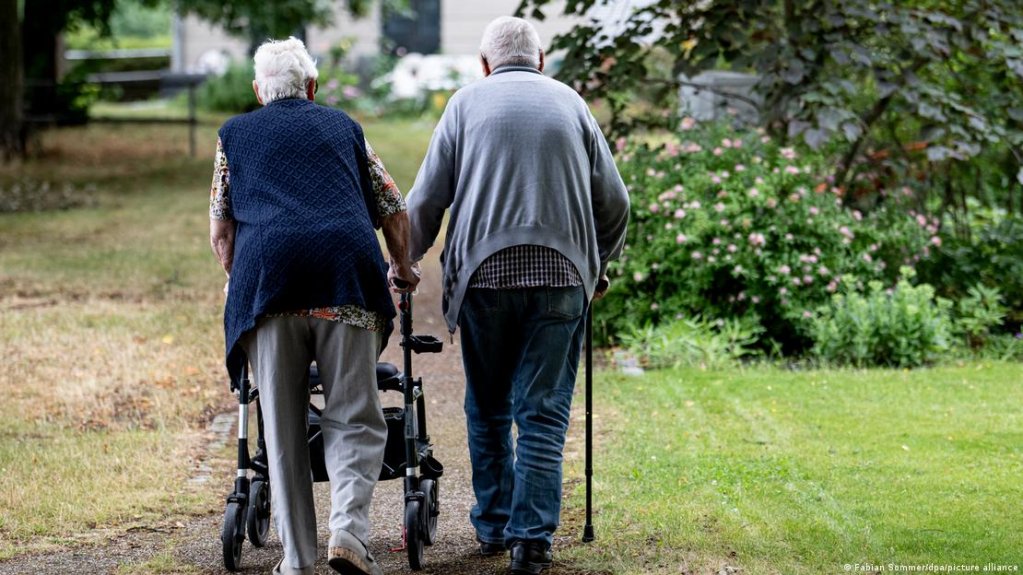
At the same time, locals told the BBC that they don't want to feel pushed out of the job market by newcomers or forced to move elsewhere on account of these changing dynamics.
Already, the number of people moving to the area from other countries has reached 750 per year since 2023 -- a rate that many locals feel might be unsustainable in the long run.
There have also been recent moments when it became clear that not every last resident of the small community is in favor of the repopulation initiative:
In June, there were protests outside a hotel in Greenock, which housed asylum seekers; three police officers were injured in clashes, while one woman was arrested and charged with a hate crime.
In 2025, a local youth was sent to prison for ten years for planning a massacre at the local mosque; Greenock is still reeling from that news, with different faith groups seeking exchange and interaction to heal the wounds.
Read AlsoWhat is behind the anti-migrant clashes in the UK?
Leading by example
Jonathan Fleming is a minister at the local Church of Scotland parish. His church has been assisting a number of Iranian asylum seekers, and has been quite vocal about its support.
Fleming says that listening to their experience has been sobering for the people of Greenock, helping people gain perspectives outside their own.
"They're wanting to contribute to the community," he told the BBC, adding that these Iranian refugees are among those who have not managed to find work -- since their skills appear to be a mismatch for the local job market.
He also explained that he has increasingly been witnessing Greenock's broader depopulation problem in recent years, calling for awareness of how much the town's foreign-born population can contribute towards saving it.
He stressed that his church is now performing "a lot more funerals than we do weddings and baptisms," as little has happened to stop the town's ageing -- despite attempts at mitigating this trend by welcoming foreigners.
"[T]hat shift, it's a lot more dramatic than it used to be."
A different kind of politics
Attitudes towards migrants in Britain have been turning sour in recent years, with thousands of people continuing to arrive on Britain's shores by irregular means.
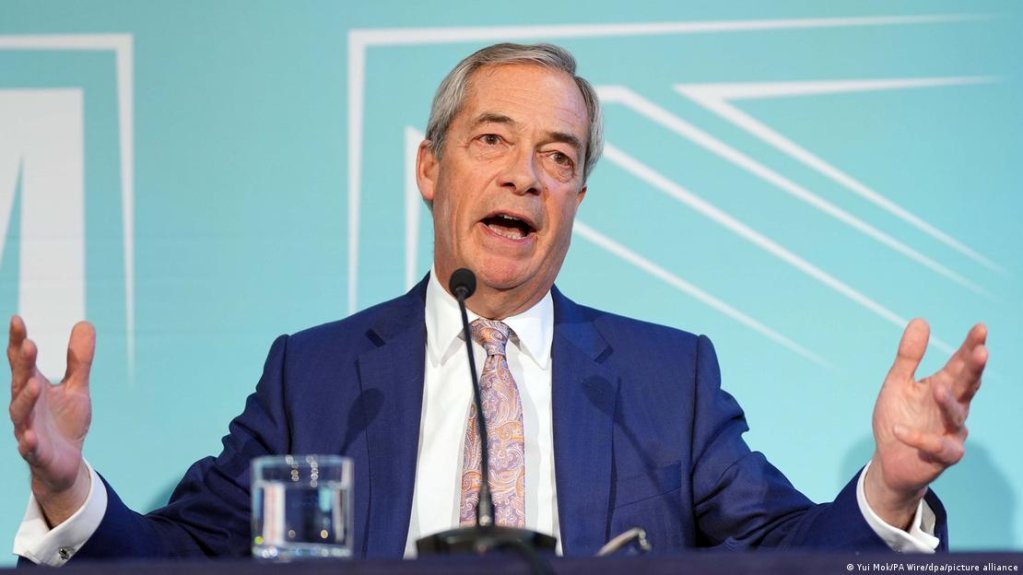
This development has resulted in far-right parties gaining traction, with the right-wing Reform UK leading in many polls across the country.
However, parts of Scotland appear to be somewhat of an exception: In Scotland's most recent parliamentary elections in May, the anti-immigration Reform UK party came only in third place.
Read AlsoMigrants continue crossing Channel, despite new policies in place
Council leader McCabe welcomes the fact that his corner of Scotland appears to be swimming against the populist tide perpetuated by parties like Reform.
A Labour Party councillor, McCabe remains hopeful about Greenock's future. With the support of the Scottish and the national government, he believes that Greenock could bounce back from its population drop — and that the town's migrant population would equally benefit.
He imagines Greenock as a place where various industries could find a new home; connecting the past to the future, he hopes for a revival of its maritime heritage.
With this, McCabe envisions growing opportunities for Britain's defence sector, with many navy divisions traditionally being based in Scotland.
However, with the whole of Scotland due to face similar population crises, it is unclear whether Greenock will have a competitive edge over other towns and cities trying to attract investment in a similar way.
Greenock may be the first community in the UK to seek innovative solutions for its future which place migrants at the heart of its strategy -- but it's unlikely to be the last.
Read AlsoUK: Polarising views on migration and refugees are not what everyone wants, according to a new poll