
The Spanish government is struggling to balance its humanitarian response with layered bureaucracy and polarized political positions on migration. The situation has sparked debate among those calling for an immediate return and those who want to uphold child protection rights.
Three weeks after tens of thousands of people crossed from Morocco into the Spanish enclave of Ceuta, the majority have reportedly returned to their country of origin. However, several thousand remain, including a still-undetermined number of children. Spanish authorities are now grappling with the need for an urgent humanitarian response amid the slower bureaucratic process of identifying the children and ultimately deciding where they can safely go.
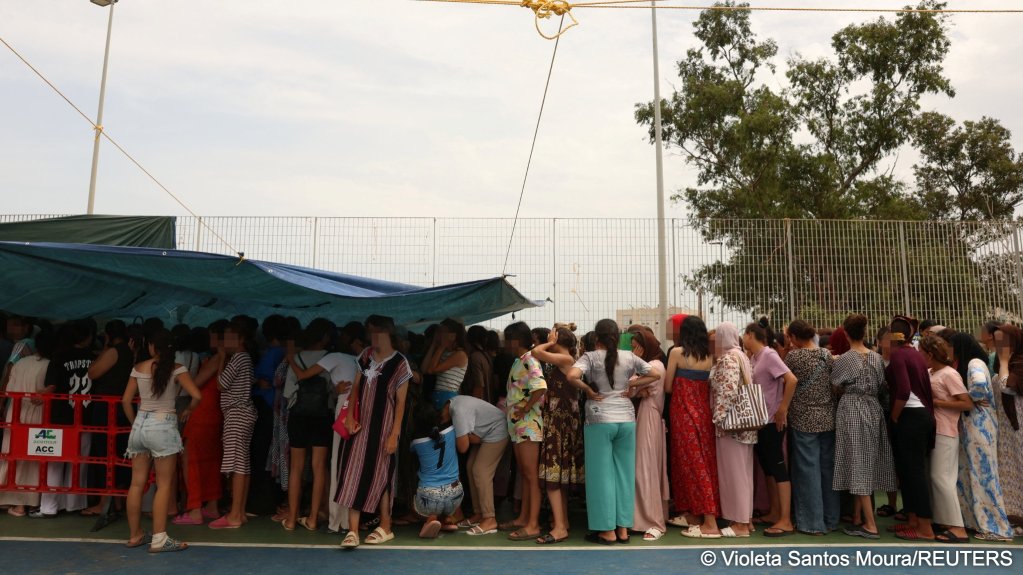
Spanish authorities estimated the number of total arrivals on July 30 and 31 to be about 72,000. The majority have subsequently returned to Morocco, but between 5,000 and 8,000 people are reported to still be in Ceuta. The exact number of children among those who remain is still unclear. Sira Rego, Youth and Child Minister, said on August 7 that authorities had registered 1,342 minors. Ceuta officials and aid organizations, however, have suggested that the total could be higher because some children had not completed the identification process or had yet to be located.
Read AlsoMigrants stranded in Ceuta say ‘I’d rather die here than go back to Morocco’
Getting people and child migrants off the streets
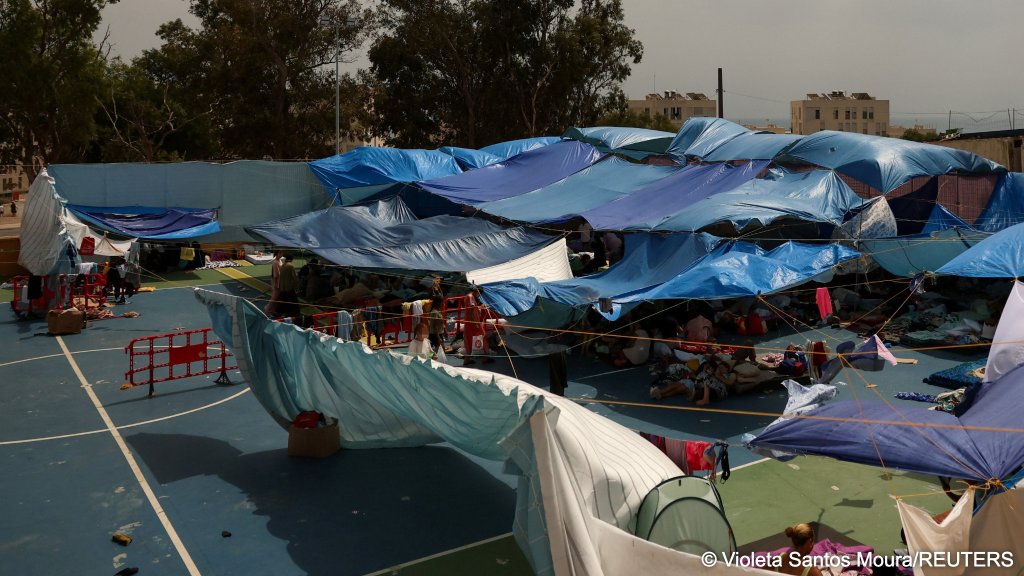
The immediate priority for the government has been getting people off the streets. Authorities set up temporary accommodation for approximately 1,800 people who had been sleeping out in the rough around El Trampolín beach, with plans to expand the available places. The new sites provide beds, food, water, sanitation and psychosocial support.
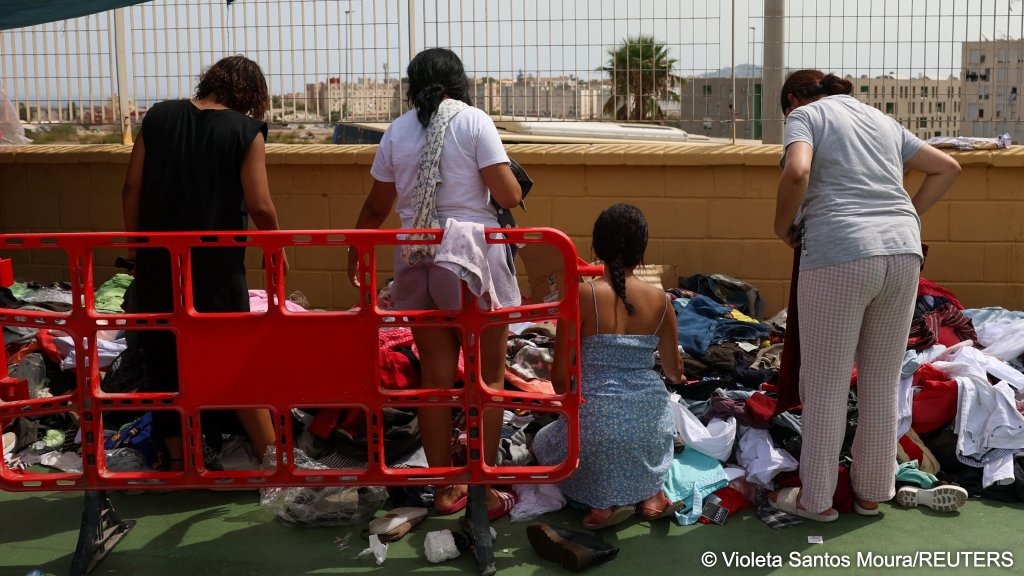
However, these are emergency humanitarian facilities rather than formal child-protection centers. Under state and international laws that govern child protection protocols, a young person identified as unaccompanied must be registered and referred to the competent child-protection authority.
Moving children from the streets into adequate shelter addresses an immediate basic need, but it is only the first step in a series of many when it comes to child protection. From here, every child must undergo an individual process that can lead to transfer elsewhere in Spain, an asylum procedure, safe family reunification or, where legal safeguards are met, return.
Read Also
Minors living alone on Ceuta's streets at risk of abuse
Child protection
Deciding where the children will go has sparked a debate about managing irregular migration and honoring child protection obligations under state and international law.
Last week Interior Minister Fernando Grande-Marlaska said, "Anyone who illegally enters Ceuta or Melilla [another Spanish enclave in north Africa] knows they will be sent back because Spain and Morocco work together to this end. They will not reach the peninsula, nor the European continent and nor will they remain indefinitely in Ceuta or Melilla."
Meanwhile, Teresa Gisbert, the coordinating juvenile prosecutor at Spain’s State Prosecutor General’s Office, has flatly rejected demands for immediate returns. "We make no distinction: they are children, and that is what matters," she told local Spanish media, further stating that blanket return proposals make "no sense."
On Wednesday, British newspaper The Guardian reported that the Spanish government would allow 500 migrant children, reported to be girls at higher vulnerability, in Ceuta to relocate to specialist centers on the mainland.
The news came after the European Commission said that under EU law, all of the migrants should be returned to Morocco. During a briefing on Tuesday, the commission’s spokesperson on internal affairs, Markus Lammert, said, "We continue to insist that the expectation is that everyone who remains illegally Ceuta will be returned." referring to the juvenile migrants still in Ceuta.
Already overstretched resources for child protection
Ceuta’s child-protection system was under severe pressure even before the mass arrivals last month.
During the same period last year, the government said it was already caring for 528 unaccompanied migrant children, compared to its officially calculated ordinary capacity of 27.
The city planned to alleviate the shortage by constructing a new center at the former Los Rosales prison which was expected to be completed in June 2026. However, the project was subsequently delayed to November 2026. The planned center could not address the emergency situation sparked by the July arrivals.
Transfers to other Spanish regions are one way of reducing that pressure. Under Spain's Royal Decree, a mandatory redistribution mechanism is activated when a territory faces an "extraordinary migration contingency".
A child’s best interests must be treated as paramount in every public or private decision affecting them, regardless of their nationality or residency status.
Read AlsoMorocco and Spain bolster borders ahead of August 15 social media calls for renewed crossings