
Germany has notified the European Commission that it intends to extend border checks by another six months. This would mean that the current controls could remain in place until mid-March 2027 — if approved by Brussels. The Commission, however, has voiced its hesitation.
A spokeswoman for Germany's Interior Ministry confirmed that Germany had officially lodged the extension papers with the European Commission.
Interior Minister Alexander Dobrindt meanwhile told the daily Bild tabloid newspaper that recent "[e]vents at Europe's external borders show that combating illegal migration still requires border controls," referring to the sudden arrival of 80,000 irregular migrants in the Spanish enclave of Ceuta in late July.
Dobrindt had already announced his intention to extend the border controls immediately after the developments in Ceuta, though it was largely expected that Germany would reapply for another extension.
Dobrindt had stated before that the primary purpose of the border controls was also to signal a shift in Germany's overall migration policy, and that these measures had already dealt a significant blow to criminal smuggling rings operating across the EU.

The current checks have, however, already been extended three times before. As the measures were originally introduced as a temporary response to exceptional circumstances, it remains unclear whether the European Commission will approve another extension without seeking further justification.
Read AlsoGermany: Border controls and tougher migration policies to stay, vows interior minister
Schengen increasingly under scrutiny
Under the EU's Schengen agreement, which has been in operation for three decades, the freedom of people and goods within signatory states is guaranteed.
As a consequence, Schengen countries have abolished their border checks, with the caveat that they can reintroduce or even close their borders if there are extraordinary circumstances involved.
During the COVID-19 pandemic in 2020, many European nations shut down their borders entirely to keep the spread of the deadly virus contained.
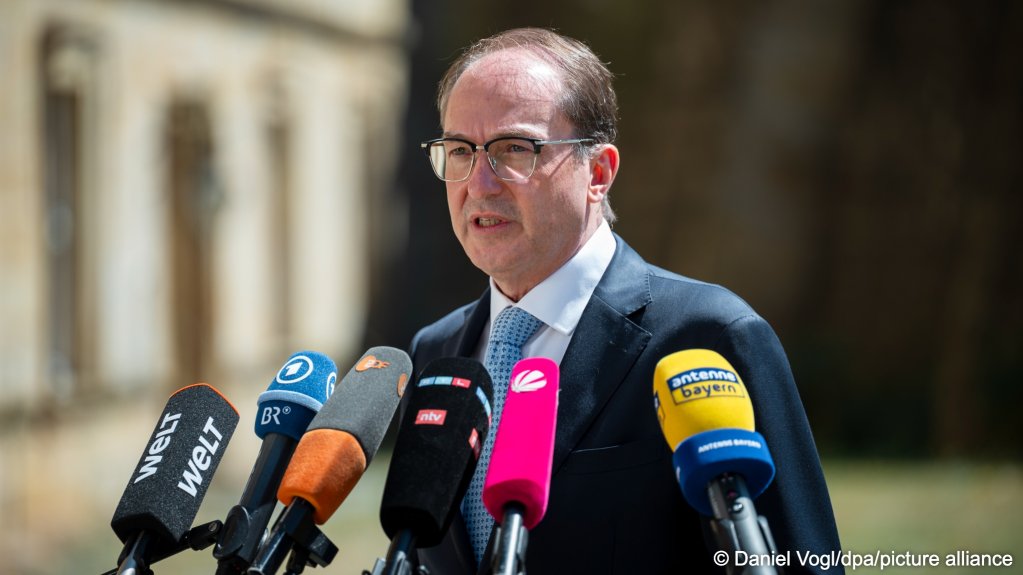
Germany has now had additional border controls in place at all its entry points since September 2024 -- despite repeated protest by the European Commission over being in breach of fundamental Schengen principles.
Germany shares borders with nine countries: Denmark, Poland, Czech Republic, Austria, Switzerland, France, Luxembourg, Belgium, and the Netherlands.
In addition to Germany, the Netherlands, Austria, Denmark, France, Italy, Norway, Slovenia, and Sweden have also reintroduced checks and controls at their internal European borders time and again.
Read AlsoNew ruling finds extended German-Austrian border checks unlawful
'Alternative solutions' preferred
Prior to the current application for an extension being filed, the European Commission already issued an official statement in June, saying that German authorities had not provided sufficient information to fully justify another extension of the current controls at all borders.
In particular, it pointed out that Germany had to explain why the same exact security measures were being taken at each border post -- as opposed to varying levels of checks and controls at different portions of the border, and according to differing threat levels.
The statement, however, did concede that Germany faces pressures linked to a complex migration situation, while stressing that Brussels had also received numerous complaints from citizens and businesses situated along Germany's borders about the daily impediments they have to face due to the ongoing extensions of border checks.
The Commission suggested before that Germany should rather look for alternative solutions and work "toward the gradual phasing out and lifting of internal border controls," within the Schengen Area.
Read AlsoEuropean Commission calls on Germany to phase out border checks
with dpa