
On Crete, four minors have been arrested on suspicion of navigating small boats from Libya to the southern Greek island. In its efforts to curb irregular migration, Greece appears to be turning to increasingly restrictive policies, including plans to outsource parts of its asylum procedures to third countries. Meanwhile, the European Union also seems to be engaging in divisive schemes to get a handle on irregular arrivals, including a planned cooperation deal with the breakaway administration of eastern Libya.
The Greek coast guard said that all four minors had been positively identified by irregular migrants whom they had transported on boats to Greece from North Africa, acting on behalf of smuggling gangs based in Libya.
They were arrested on August 14 after navigating four boats with a total of 229 migrants to Crete in the course of roughly 36 hours, according to the Greek news platform ekathimerini.
According to the statement, the four teenagers accused of piloting the vessels were aged between 14 and 17, and were reported to be nationals of South Sudan.
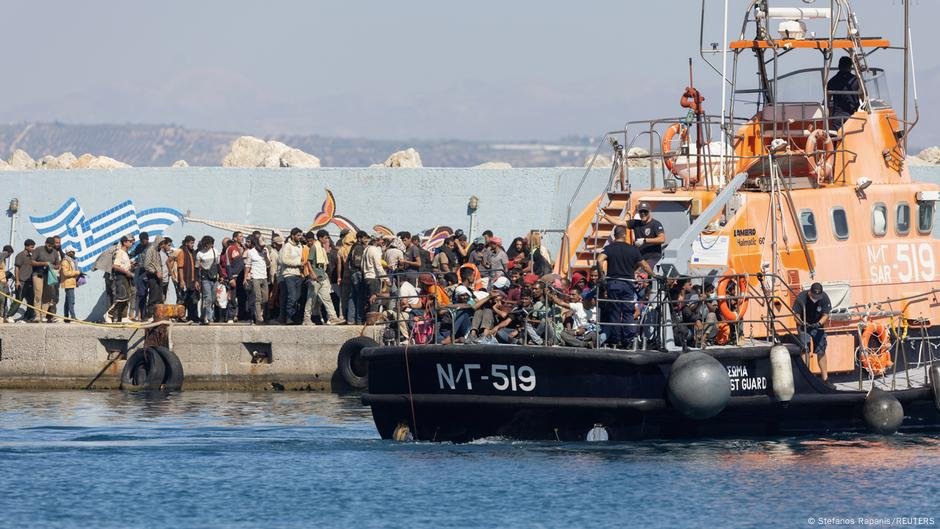
In addition to the four underage suspects, another two men also from South Sudan, aged 21 and 27, were taken into custody on charges of steering another two migrant boats with 132 people in total also to Crete.
All six suspects face charges including endangering the lives of the passengers and facilitating illegal entries into Greece.
Read AlsoTobruk-to-Crete migrant crossings intensify as Greece enforces strict sea patrols
The Tobruk-Crete route
The majority of irregular departures to the southern Greek island originate from the Tobruk region in eastern Libya. This route has largely replaced other irregular journeys to Greece, such as those departing from Turkey's eastern coast.
The perilous journey, which measures over 360 kilometers by sea, has already cost an estimated 250 lives this year. According to local reports, there's been a rise in young migrants from Pakistan and Bangladesh in particular among the arrivals.
Greek authorities have repeatedly arrested South Sudanese minors accused of piloting migrant boats from eastern Libya to Crete, and Greek media report that smuggling networks based around Tobruk frequently recruit South Sudanese teenagers to steer the vessels.
Crete has witnessed a sharp rise in irregular arrivals over the past two years, though recent arrival numbers point to a slowdown in irregular entries.
So far in 2026, over 10,000 people have managed to reach the island in the Mediterranean from Libya.
According to official numbers, this constitutes roughly 50 percent of all irregular entries to Greece to date this year.
Read AlsoLibya: Over 400 migrants intercepted at sea off the coast of Tobruk
Social media recruitment — and more
The uptick in arrivals is largely attributed to false narratives being spread on social media, enticing young men to embark on the dangerous crossing.
Videos of young migrants who do succeed in making their way to Crete encourage others to follow in their footsteps -- without information on the realities of irregular journeys.
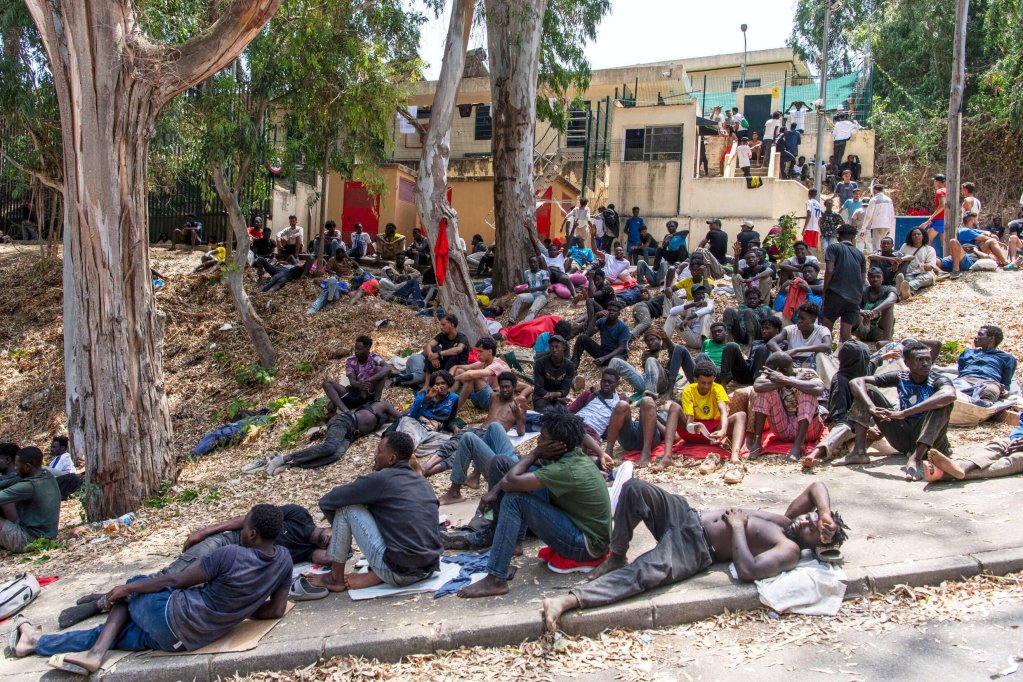
The EU has announced plans to clamp down on fake news and disinformation on social media, and has asked various platforms to do more to take down any misleading information which could result in such migration movements, especially after the sudden arrival of 80,000 young migrants in the Spanish exclave of Ceuta in July.
Read AlsoSocial media's role in the Ceuta crossings: From viral videos to deadly waters
However in the case of Greece, there might also be another trend that could impact the number of people succeeding in reaching its shores: Eastern Libya — where Tobruk is situated — is led by militia leader Khalifa Haftar, whose opposition to the internationally recognized Libyan government in Tripoli has essentially split the country in two.
Despite holding negotiations with Haftar's parallel administration in Benghazi, the EU continues to reject the legitimacy of the eastern Libyan state.
Observers argue that in order to shore up favor with the EU, Haftar might instrumentalize his administration's control over migrants departing from Tobruk.
"Haftar and his sons are in a position to open and close these migration routes as they please, and this essentially makes the EU vulnerable to blackmail," says Wolfram Lacher, a Libya expert at the German Institute for International and Security Affairs (SWP).
Read AlsoIn eastern Libya, 'the financial profits generated by migrant trafficking are very significant'
The EU's inconvenient cooperation plan with east Libya
In an interview with German public broadcaster ARD, Lacher said that Haftar is succeeding in forcing the bloc into seeking closer ties with him and his administration.
Documents obtained by the weekly magazine Der Spiegel deliver further proof of this ongoing dynamic:
The publication alleges that in early July, the German Foreign Office said in an internal document that "Haftar's forces used migrants as a means to an end and as a business model."
"The EU has so far been unable to offer anything to eastern Libya, but hopefully this will change," the communique emphasized, highlighting that closer coordination with Haftar could result in a significant drop in departures for Europe.

Read AlsoEastern Libyan authorities claim they have deported more than 100,000 irregular migrants
In short, the EU appears to have drawn up plans to beef up patrols off the Libyan coast to intercept migrants hoping to reach the bloc — in cooperation with Haftar's regime and its officials, who would receive training to this end.
In exchange, those vessels would also assist in Haftar's own fight against oil smugglers, whose activities cut into the breakaway region's revenues.
The plan to cooperate with the east Libyan administration is controversial, as Haftar's militia face accusations of human rights abuses -- including allegations of human trafficking.
Read AlsoEU to set up 'maritime rescue center' in Benghazi, eastern Libya
Outsourcing asylum management
In addition to the EU's online initiatives against smugglers and its planned cooperation with the Haftar regime, Greece has also been enacting more restrictive laws to combat irregular journeys.
Most recently, Athens has entered talks with various third countries situated outside the European Union to sign migration deals.
Under the proposed plans, migrants arriving in Greece would be transferred to another country to have their asylum claims processed there, with recognized refugees potentially remaining outside Greece.
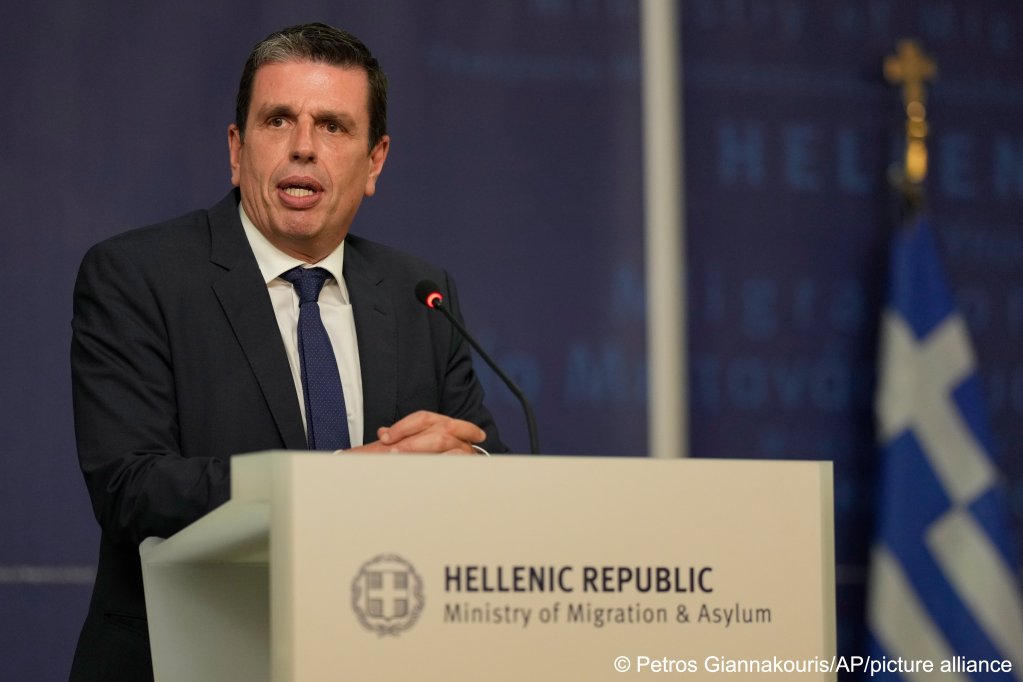
Officials in Greece have confirmed that they have reached an advanced stage of talks with the Ugandan government for creating such migrant facilities there.
Dimitris Kairidis, the parliamentary spokesperson for the ruling New Democracy Party, said in a statement that the operating focus of the government was solidly shifting to "returns, returns, returns, returns."
"We are anti-illegal," he added, referring to undocumented migrants coming to Greece.
The governments of Germany, Austria, Denmark, and the Netherlands have meanwhile also expressed an interest in joining the plans, splitting the financial and logistical burden.
Read AlsoEU reported to be considering 12 possible countries to site migrant 'return hubs'
Criticism against present direction of asylum policies
Should the governments involved in talks with the East African nation succeed in reaching an agreement, the first transfer of irregular migrants to Uganda could likely take place in 2027.
However, critics of the scheme have referred to it as little more than legitimized pushbacks.
Spyros Oikonomou from the Greek Council for Refugees said that "the safeguards of the asylum process are increasingly demolished."
"When you have people being beaten at the borders, stripped of their belongings, and pushed back illegally to other countries, I wouldn't say this is a suitable policy," he stressed in an interview with the US broadcaster PBS, adding that the plans amounted to "policies that try to flagrantly violate [legal] obligations and rights."
In regards to the young migrants accused of manning the boats that reached Crete last week, it is unclear at this point to what extent Greek legislation against irregular migration will affect them; even though they are underage, certain aspects of Greek immigration law can nevertheless be applied against them -- including measures that could result in incarceration.
Read AlsoEU Migration Commissioner calls for further negotiation with Libya