
Five years after the Taliban seized power in Afghanistan on August 15, 2021, the country has become home to one of the world's most severe human rights and humanitarian crises. The situation has contributed to the migration of several million Afghans and massive displacement. In recent years, the forced returns of Afghans from Pakistan and Iran have further complicated the issue. And now deportations towards Afghanistan have started up again too.
As the fifth anniversary approaches on Saturday (August 15), human rights organizations worldwide are calling on governments to halt all deportations to Afghanistan, fulfil outstanding protection promises, and urgently scale up humanitarian funding that has collapsed to a fraction of what is needed.
The Taliban have entrenched what Human Rights Watch describes as one of the world's worst human rights crises, systematically dismantling the rights of women and girls since taking power five years ago. More than 100 decrees have been issued targeting women and girls, institutionalizing discrimination across every aspect of public and private life.
UNESCO reports that an estimated 2.4 million Afghan girls remain excluded from secondary education, making Afghanistan the only country in the world to formally prohibit access to education for girls and women beyond the primary level. The UN culture agency warns this "risks condemning Afghanistan to decades of lost potential, deepening poverty, and irreversible harm."
Read AlsoGermany deports 31 Afghan men to Kabul, including one with no criminal record
Displacement and migration
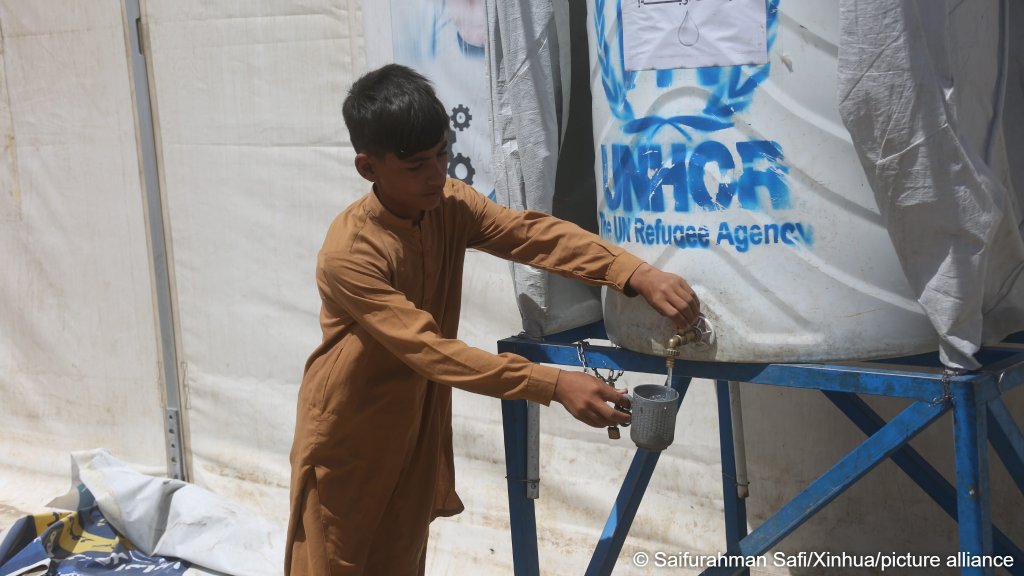
The UN Refugee Agency UNHCR has estimated that this situation has led to the fact that more than 70 percent of Afghans who are internally displaced are women and girls.
In 2025, UNHCR stated that 5.8 million Afghans were registered as refugees globally and just over ten million were displaced, either internally or in other countries.
Interestingly, according to the UNHCR, in that same year, the actual number of global Afghan refugees actually reduced by ten percent, owing to the forced repatriation of hundreds of thousands of Afghans from neighboring Iran and Pakistan.
UNHCR's former High Commissioner for Refugees Filippo Grandi said: "Afghanistan’s displacement crisis is one of the largest and most protracted in UNHCR’s seven-decade history. We’re now seeing a third generation of Afghan children born in exile."
Deportation restarts
When the Taliban took over, most countries paused all deportations to Afghanistan. But in the five years since the Taliban took power, EU countries like Germany and Austria have also begun deporting some rejected asylum seekers and those convicted of crimes back to Afghanistan once again.
Although officially the Taliban is still not recognized by most Western countries, arrangements have been made so that Taliban officials are able to operate within Germany to facilitate these deportations. Meetings have also taken place between the EU and the Taliban to widen the scale of these potential deportations.
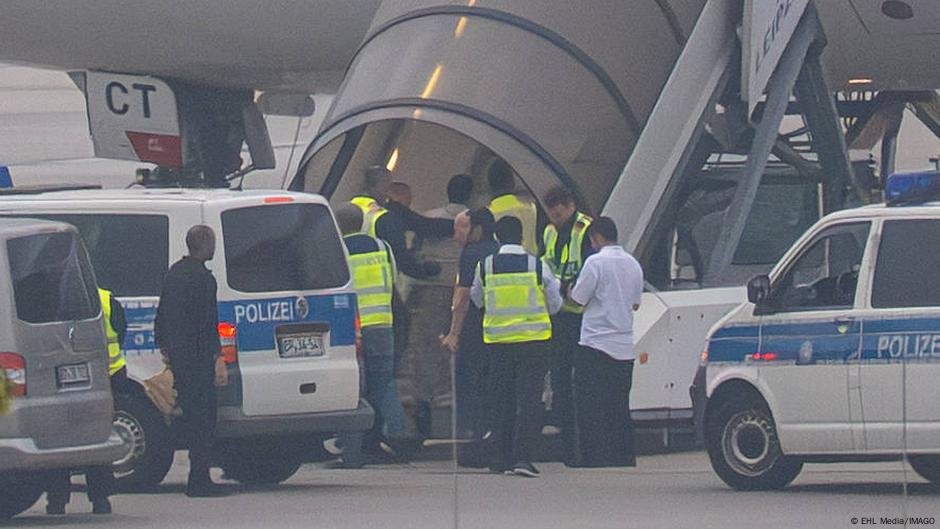
Germany has now deported around 200 people back to the country since it resumed deportations in 2024, first via intermediaries like Qatar and latterly by working directly with Taliban officials given permission to enter Germany. This agreement to allow a stronger diplomatic presence of Taliban officials within Germany has also alarmed Afghan asylum seekers and refugees who fled the Taliban. Earlier this week, Politico published an article in which it talked to Afghan families in Germany who said they were dismayed by the "faustian pact" between the German government and Taliban officials.
Zarmina Paryani, a 27-year-old who worked as a midwife in Kabul and now lives in western Germany with her four sisters told Politico: "It’s hard to accept that my fate and my affairs are being discussed with the very same representatives whose oppression, prisons, whippings and violence I fled from."
The recognition rate for Afghan men has also dropped sharply in Germany, organizations like Pro Asyl have noted. And the deportation net has been widened from those convicted of crimes or considered a danger to society to those who have had their claims rejected or may have infringed other rules, like traveling to another EU country when they have a Duldung (tolerated stay permit which forbids travel outside the issuing country).
Read AlsoGermany: Top court rules on Afghan migrant policy
Dismantling of women's rights
The situation for women has deteriorated progressively since the Taliban takeover. The Taliban authorities have issued more than 100 decrees targeting women and girls since taking power, institutionalizing discrimination and deepening what UN Women describes as the world's most severe women's rights crisis.
The agency warned that recent decrees had further weakened women's legal protections. Measures introduced this year abolished legal equality between men and women before the law, strengthened men's authority within marriage and made it more difficult for women to seek divorce, it said.
Women also remain largely excluded from the economy. Only seven percent of women are employed compared with 84 percent of men, according to the UN Women report.
The restrictions have also fueled a worsening mental health crisis, according to the UN agency. Seven in 10 women described their mental health as "bad" or "very bad", citing isolation, loss of opportunities and limited access to support networks.
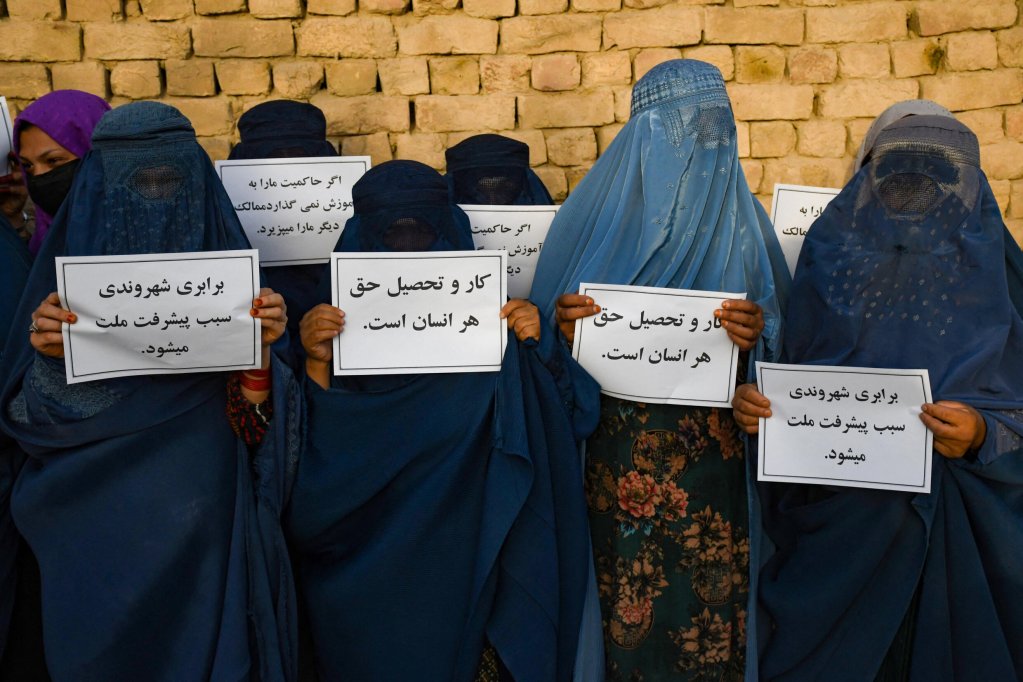
UN Women reported on August 12, 2026 that half of Afghan women now leave their homes only once or twice a month as Taliban-imposed restrictions curtail their freedom of movement and participation in public life. This stands in stark contrast to 96 percent of men interviewed who left home daily. The organization reported severe psychological problems among women as a result of the restrictions.
However, observers note that the Taliban takeover has different consequences for women in the country. While the urban, educated middle class suffers particularly from the curtailment of their rights, women in rural areas are now safer from attacks. For them, there was no equality comparable to the West even before the Taliban takeover due to patriarchal structures.
Humanitarian crisis
While the security situation in Afghanistan has improved significantly in terms of explosions and war, the country is moving in a "gloomy direction" regarding human development, according to Fosan, an entrepreneur from Kabul.
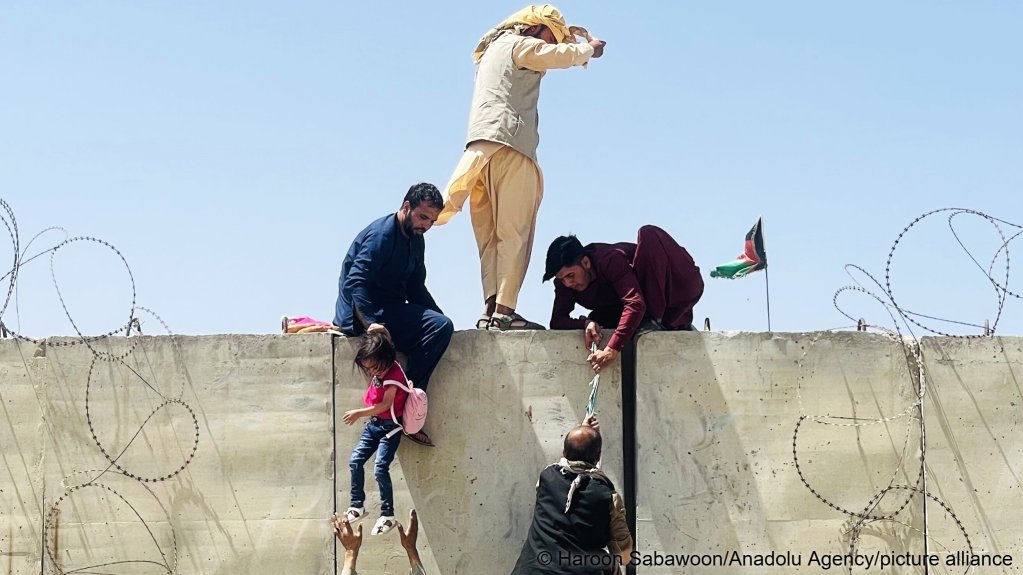
Afghanistan, with its more than 48 million inhabitants, is currently in a severe humanitarian crisis. The latest UN figures reveal:
- 21.9 million people -- approximately 45 percent of Afghanistan's population -- are projected to require humanitarian assistance in 2026
- 14 million Afghans face acute hunger, with only one in nine receiving WFP food assistance
- 4.7 million people face severe food insecurity -- 50 percent more than the same period the previous year
- Nearly 3.7 million Afghan children and 1.2 million pregnant and breastfeeding women are projected to suffer from acute malnutrition this year
- Child malnutrition has reached critical levels in 12 provinces, a record number, with children under two hardest hit
- In April 2026, only 20 percent of Afghanistan's households were receiving an adequate amount of household food without assistance
"Usually there are conflicts, famine or natural disasters in a country. In Afghanistan, there is all of that at the same time," said Thamindri de Silva, who heads the World Vision International office in the western Afghan city of Herat.
The Norwegian Refugee Council (NRC) has sharply criticized NATO countries for abandoning Afghanistan's civilian population. "NATO countries have forgotten their solemn promises to Afghan girls and boys and turned their backs on Afghan civilians," said NRC Secretary General Jan Egeland. "We find ourselves increasingly alone in facing growing needs and shrinking rights for girls and women across Afghanistan."
Egeland warned that "a growing funding gap is forcing humanitarian organizations to scale down food, water, shelter and medical assistance to homeless and starving Afghan families."
Critical funding shortfall
International aid programs for the country are considered massively underfunded. The 2026 Humanitarian Needs and Response Plan requires 1.71 billion dollars (around 1.47 billion euros), but as of the end of May 2026, the plan had received just 269 million dollars (around 232 million euros) -- leaving a gap of 1.44 billion dollars (around 1.24 billion euros). Later figures showed funding reaching approximately 438 million dollars (around 378 million euros), or about 25.6-26 percent of requirements.
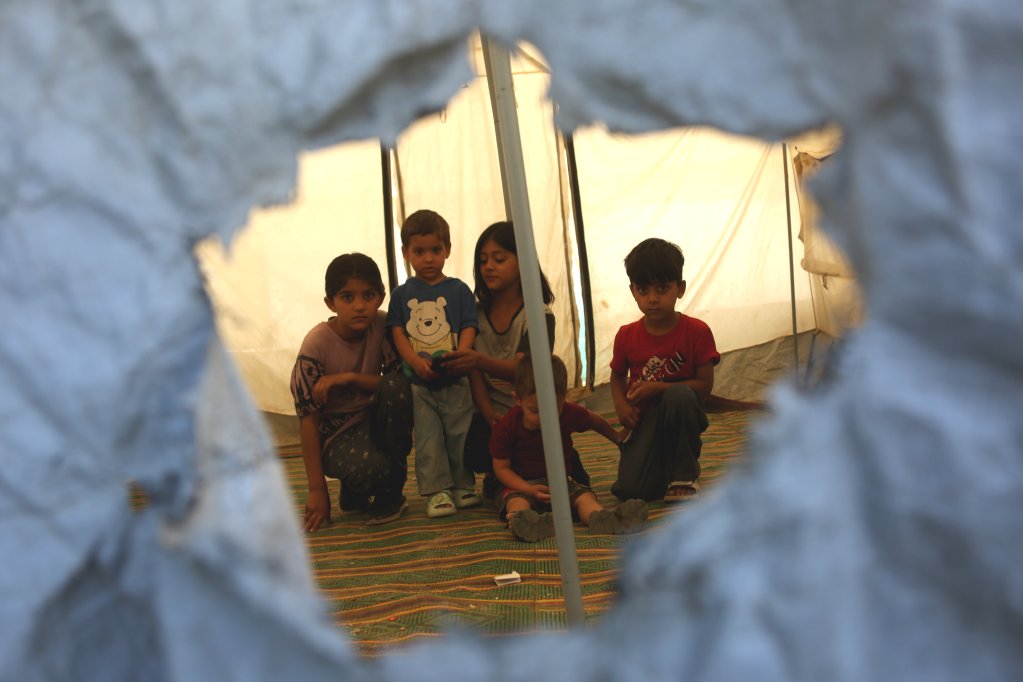
Because of crippling funding cuts, the World Food Program has been able to feed only one in nine of the 14 million people now acutely hungry in Afghanistan.
WFP's operations for emergency food assistance and nutrition programs are costed at about 900 million dollars for 2026 (around 777 million euros), and the agency urgently needs 500-540 million dollars (between 431 million euros and 466 million euros) over the next six months to address acute food needs before winter, which is described as "the real flashpoint of hunger."
OCHA reported in August 2026 that humanitarian organizations had planned to provide food assistance to 11.9 million people in Afghanistan in 2026. However, by the end of May, only 4.3 million people had received support -- meaning 7.6 million Afghans have been unable to receive planned food assistance due to funding shortages.
Read AlsoFive Afghan migrants found dead after attempting to cross into Iran
Climate change, mass returns, and livelihood crisis
Afghanistan is suffering severely from the consequences of climate change: floods have already killed dozens of people twice this year, while years of drought are leading to poor harvests.
The return of more than six million Afghans from neighboring countries since late 2023 has created additional humanitarian needs in a country already plagued by overlapping crises, according to the NRC. Neighboring countries Pakistan and Iran have tightened their regulations for Afghans, with many refugees returning to their home country to prevent deportation. More than 90 percent of returnees live on less than five US dollars a day, according to the UN Refugee Agency.
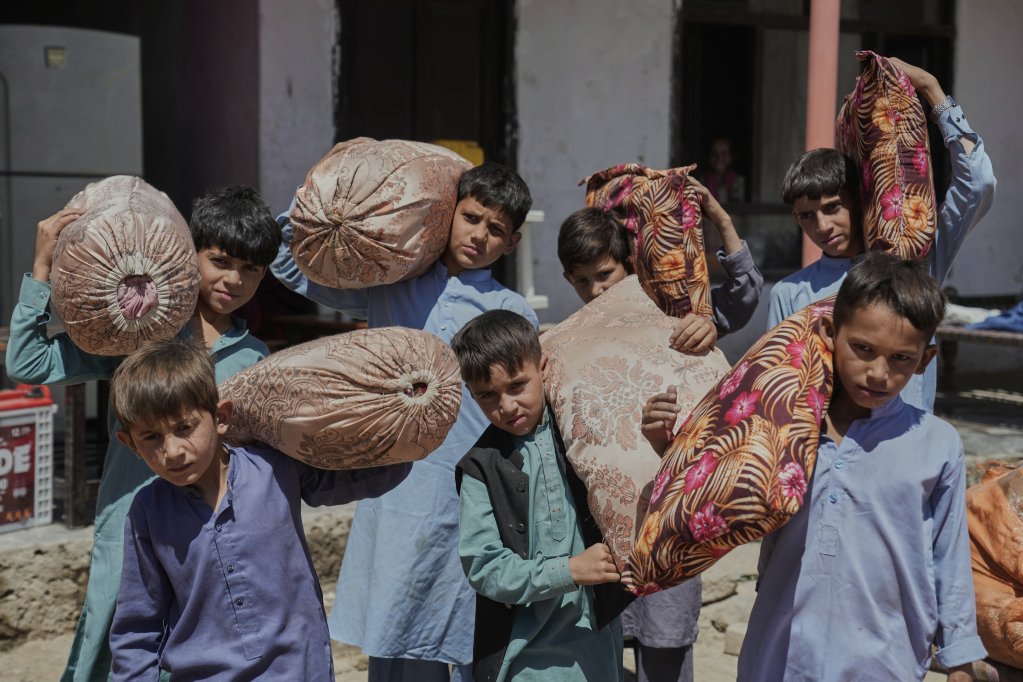
Up to 73 percent of those returning remain unemployed, with very few livelihood opportunities available. "Shelter and livelihood support remains among the most critical needs of returnees," Egeland said. "Shrinking aid funding means that many families are left without a proper roof over their heads, and are struggling to feed their children."
Mohammad Jabbar, a returnee from Pakistan, told NRC: "Most of the returnees, like us, urgently need shelter and opportunities to earn a living. We want the land distribution process to be prompt and responsive to these urgent needs."
Afghan authorities plan to distribute land plots to returnees as the center of Afghanistan's response. But the high numbers of returnees, complex procedures around the distribution process, absence of sufficient investment, and the lack of essential services make successful reintegration difficult.
Read AlsoAid to Afghanistan drops to record low, as more people are forced to return
Taliban control, regional tensions, and internal conflicts
The Taliban have largely extended their control over the entire state territory since taking over the government in Kabul, and the security situation has been considered rather stable since then.
However, since October 2025, Kabul has been in conflict with neighboring Pakistan. Islamabad accuses the Taliban of harboring terrorists who carry out attacks in Pakistan -- an accusation Kabul denies. There have been repeated mutual attacks, mostly limited to the mountainous border region, though Pakistan has also flown several air strikes on the cities of Kabul and Kandahar in the interior of the country.
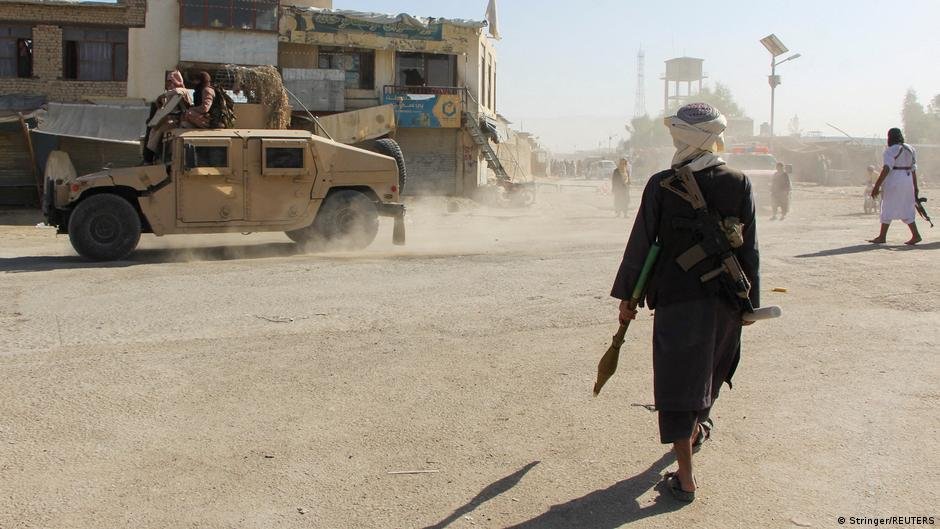
The United Nations documented 499 killed Afghan civilians following Pakistani attacks since October 2025, according to a UN report released in July 2026.
There appear to be internal conflicts among the Taliban. The faction of the movement in Kabul is considered more pragmatic, seeking economic stability, opening the country to the outside world, and improved access to education for girls and women, according to the BBC. This contrasts with a hardline faction around Taliban leader Haibatullah Achundsada in the spiritual center of the movement, the southern Afghan city of Kandahar.
Reports of Taliban fights with opposition groups in the north of the country have also recently accumulated, though these are difficult to verify since the region cannot be freely reported from.
Read AlsoEU-Taliban talks spark debate over normalizing Taliban rule
Grave human rights concerns
UNAMA -- the United Nations Assistance Mission in Afghanistan's latest quarterly human rights report (April to June 2026) documented continued arbitrary arrests, corporal punishment, restrictions on women, and pressure on the media across Afghanistan.
The report highlights intensified restrictions on women and girls, widespread arbitrary arrests, continued corporal punishment, shrinking civic space, and increasing limitations on religious freedom and media independence.
A woman is stopped for buying groceries alone. The shopkeeper who served her is slapped and hauled in for questioning. A teacher is turned away from her own classroom for wearing the wrong cloak.
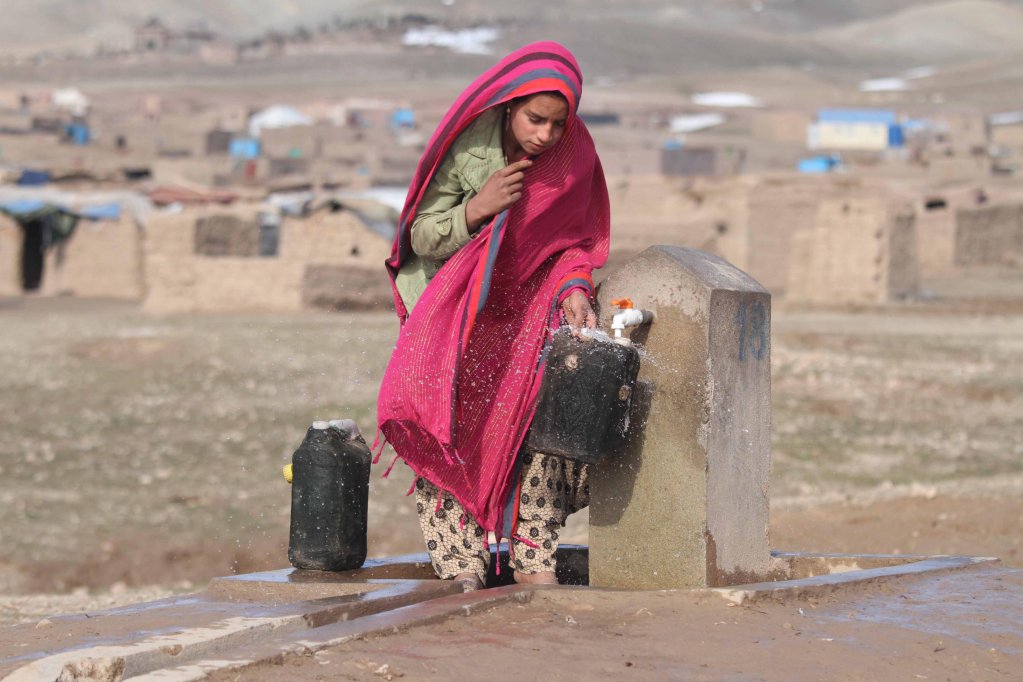
"NRC calls for increased development investment to support long-term solutions and recovery in Afghanistan," Egeland said. "At the same time, the international community must engage meaningfully with the Afghan authorities to ensure that the humanitarian response and basic service delivery are not affected by politics, allowing vulnerable communities to access the assistance they need to rebuild their lives."
Efforts to pursue justice gained new momentum in 2025 with arrest warrants issued by the International Criminal Court and the landmark creation of a UN investigative body. On July 8, 2025, the ICC issued warrants for two senior Taliban leaders based on the crime against humanity of gender persecution of women, girls, and gender nonconforming people -- though both remain at large.
Human Rights Watch and other organizations are calling on governments to halt all forced returns to Afghanistan and instead provide support and safe, legal pathways for Afghan refugees, asylum seekers, and migrants.
Since the Taliban took power, more than 37,000 Afghans have been evacuated to Germany, but hundreds are still waiting in Pakistan for promised visas and processes that have yet to materialize.
With dpa, epd and Reuters
Read AlsoGermany deports 32 Afghans to Taliban-controlled Afghanistan