
In Ceuta, legal proceedings are underway in three separate cases of sexual assault following the mass arrival of irregular immigrants from across the Moroccan border two weeks ago. The three alleged perpetrators are believed to be irregular migrants, while the victims of the attacks – two girls and a woman – are also reported to be migrants.
The High Court of Justice of Andalusia said that two of the assault suspects have been taken into custody, facing charges of crimes against sexual freedom, while the third one is due to be deported to Morocco.
The victims of the three separate attacks were reported to also be immigrant women who had crossed the border into the Spanish enclave during the mass arrival of up to 80,000 people on July 30 and 31.
Two of the three victims were minors; the investigating court heard that one of the two girls was raped and then forced to sell narcotics, making this an aggravated case.
The third case involving the groping of an adult woman will reportedly be handed over to Moroccan authorities upon the deportation of the suspect.
Read AlsoSpain: Police arrest gang accused of trafficking migrant girls
Criminals could face immediate deportation
Authorities in Ceuta meanwhile are also investigating other criminal acts committed during the sudden mass arrival of thousands of migrants in the small Spanish territory last month,
Five other suspects were also taken into custody earlier this week on charges of assaulting law enforcement officers.

Another person was arrested on drug trafficking charges, and one more individual remanded on charges of aggravated assault.
Spain's Interior Minister, Fernando Grande-Marlaska said on August 12, according to reports in the Spanish press, including Canarias 7, that any irregular migrant found to have committed a crime in Ceuta would face immediate deportation.
Read AlsoUnderstanding Ceuta: A contested borderland in Europe’s African enclave
Hundreds of minors remain in Ceuta
Thousands of irregular migrants arrived unexpectedly in Ceuta at the end of July — mostly by sea.
Their number almost matched the size of the existing population of the small Spanish enclave in North Africa; at least 80 people died during the stampede into Ceuta, though human rights groups believe the number of casualties to be higher than this official figure.
The majority of the irregular migrants returned or were deported within days; however, several thousand irregular migrants remain in the town, which borders Morocco.
There are hundreds of unaccompanied minors believed to be among the people who are yet to return across the border. Being underage, they will be afforded specific safeguards in due course and will be given individual procedures, including asylum hearings.
However, their prolonged presence in Ceuta will not only necessitate the provision of accommodation and care but will also entail certain security considerations to avoid any further assault.
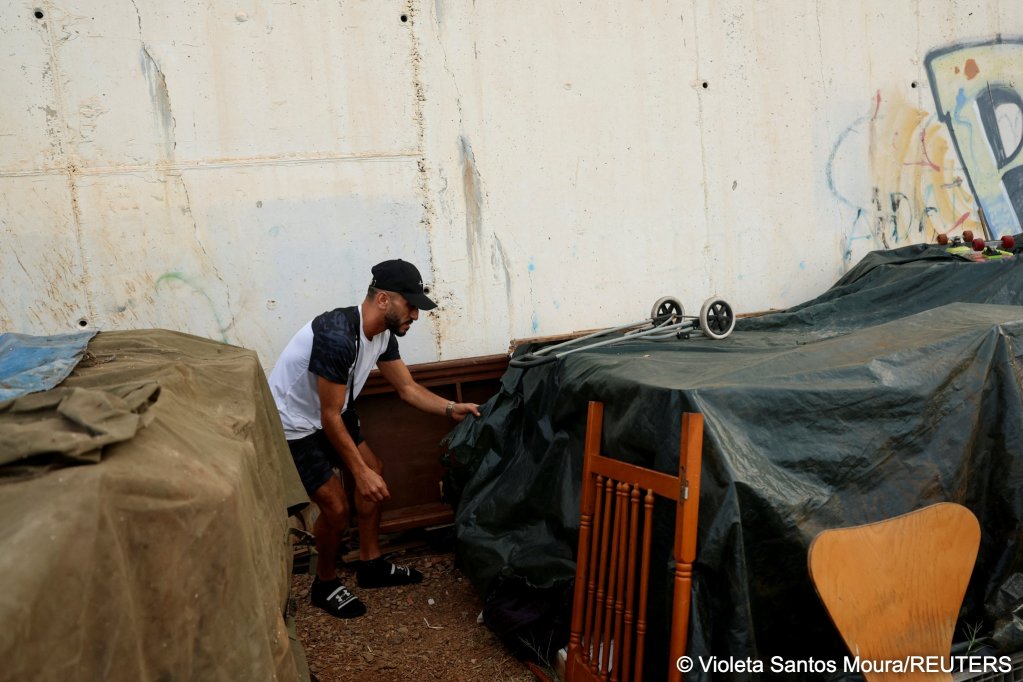
Some locals have been telling news agencies like Reuters that there are "many bad things" happening to some of the young people who have ended up sleeping on the streets in the absence of enough provision for them in the official centers. These locals told Reuters that they were attempting to build shelters and allowing some young people to sleep in their cars for protection.
One of those locals, named as Bilal Kadur by Reuters showed the news agency shelters he and others had reportedly helped provide to some of the young people. He said, that he felt he had to stay alert and keep a watch over people because "not everyone who comes is good you know."
Save the Children speaks out
On August 12, a team from Save the Children published their latest assessment of the situation after sending a team to the Spanish territory. They reported that children "as young as seven" were sleeping out on the streets.
Jennifer Zuppiroli, migration specialist at Save the Children, said: "We are in Ceuta and seeing children as young as seven sleeping on the streets, without any supervision, afraid and abandoned to their fate, with only one or two meals a day. There are children whose whereabouts are unknown, who may be sleeping on the streets, hiding, or staying in other places without the necessary safety and security."
Zuppiroli added, "We are facing a humanitarian situation that requires urgent resources, such as the creation of safe spaces for these children. Every day a child remains on the streets, increases their exposure to violence, exploitation and other serious risks, and their chances of accessing the protection to which they are entitled decrease."
Girls, said Zuppiroli "can become especially invisible in an emergency of this magnitude. We need an active search that allows us to locate even those who do not approach the authorities and ensure that no one is left alone and unprotected on the street."
The children's charity said that the responsibility of dealing with this should not fall to the Ceutan authorities alone. "Transfers are essential to decongest the system, but we also need to reinforce resources in Ceuta while there are still minors who have not yet been located or cared for, and increase coordination with social and community organizations to reach everyone. The State must immediately mobilise the resources needed to ensure no child sleeps on the streets and that Ceuta has the support it needs to respond to this emergency."
The organization said it stood ready to help the state, and "support the relevant authorities, offering its expertise in child protection and migration to help ensure an effective and appropriate response to children’s needs."
Read AlsoAlone in Ceuta, 15-year-old Moroccan teen faces uncertainty