
The record-breaking arrival of 230 people in a single inflatable boat this week, has raised questions about whether people smugglers are shifting towards fewer but much bigger vessels. InfoMigrants takes a look after three vessels with more than 120 arrived or attempted to arrive in the UK in the last couple of weeks.
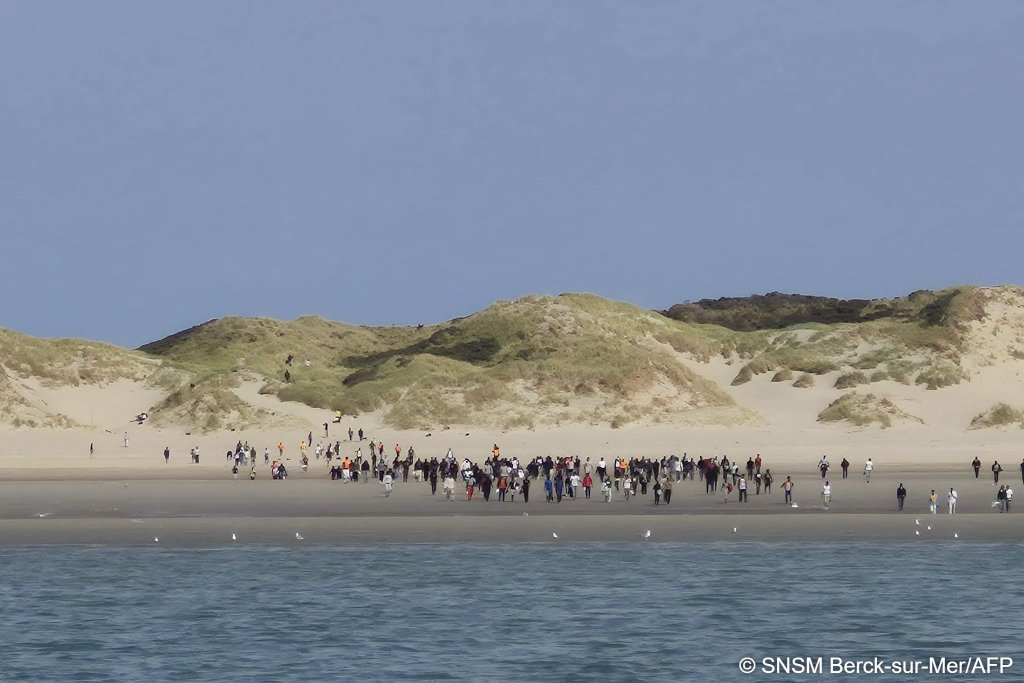
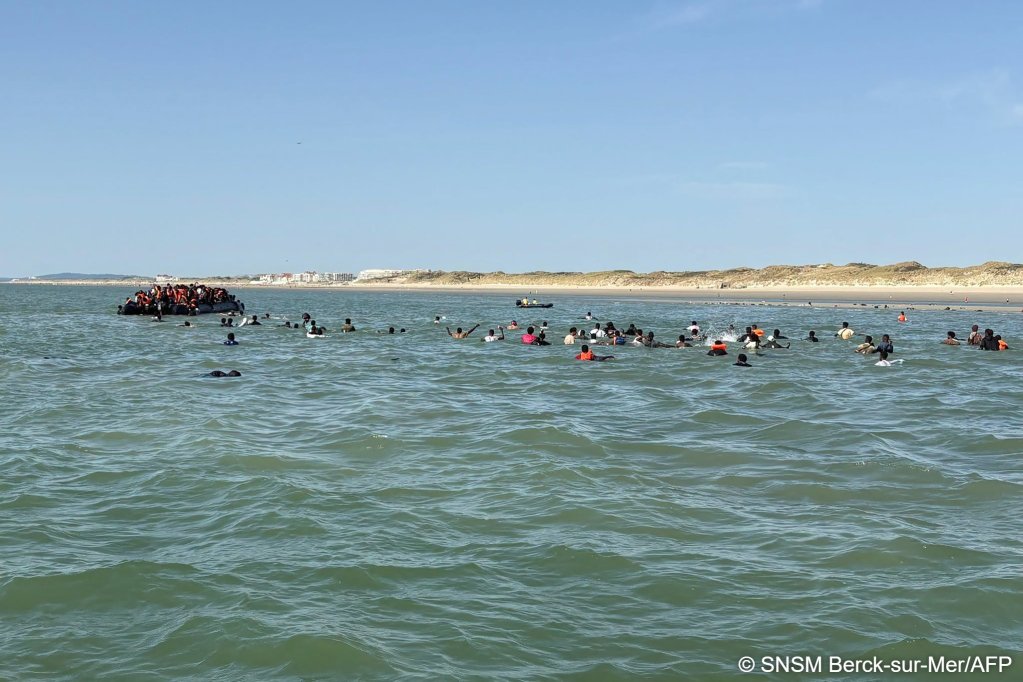
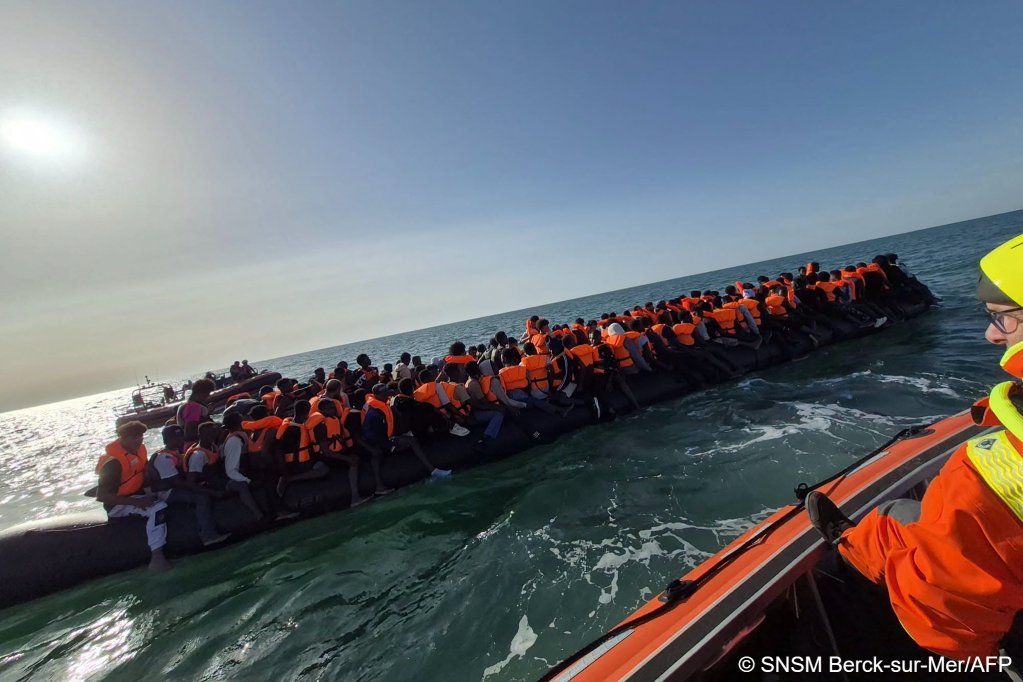
In the early hours of August 10, 230 people arrived in the UK after crossing the Channel in a single inflatable boat, the largest number recorded in a single vessel. French authorities say that 232 people had originally been on board, but two people requested assistance while still near the French coast and were taken back to Calais before the rest of the migrants continued their journey.
The crossing followed a succession of new records: 128 people on one boat on July 12, 165 on July 23, and 173 on a vessel that capsized after its engine caught fire on August 4, according to the latest UK government figures.
The individual boats are not necessarily becoming larger in every case, but the number of people being crammed into them has risen substantially over the long term.
Home Office statistics show that the average number of people arriving on each small boat has risen sharply over time, from seven in 2018 to 41 in 2022, 54 in 2024 and 63 in the year ending March 2026.
The average reached 71 in September and November 2025, the highest monthly figure recorded at that point. Meanwhile, there were 44 percent fewer boats in the year ending March 2026 than in 2022, but only 14 percent fewer arrivals. Recent British media reports have highlighted a possible shift towards larger, more heavily overcrowded dinghies. The emergence of these so-called "mega-dinghies," likened to jumbo jets and double decker buses in the capacity of those on board, therefore appears to be an extension of a longer-term trend towards carrying more people on each boat, rather than an entirely new development.
Read Also'Mega dinghy' carries record 165 migrants across Channel to UK
Motivated by money?
Experts in Channel migrant crossings, like the podcast presenter, army veteran and aid worker Rob Laurie, who along with Sue Mitchell presents the To Catch a King podcast for the BBC looking in to the smuggling gangs behind the crossings, told the BBC this week that he believed the move to larger vessels and more people on board was purely due to "money."
Laurie explained to BBC radio that if you average out the earnings for the gangs from a large boat carrying more than 100 people and everyone on board pays around 1,000 euros, some pay even greater sums, then the gangs can make 100,000 to 200,000 or more, depending on how many they can get on board. So-called 'boat kits' consisting of the boat and engines cost gangs around 10,000 euros, so the profit margins are potentially enormous.
The aid worker, who has spent a lot of time investigating and working in the Channel migrant camps, as well as further afield, in Iraq and Iraqi Kurdistan, from where many of the gangs that run the crossings originate, said that he and other people had been observing another new tactic from the gangs. According to Laurie, a few boats might be launched at once, some with very few people on board, which could be "sacrificed" to being returned to shore and tie up the French authorities time and effort, while a bigger boat might then be able to continue its journey towards the UK. The French authorities also don't tend to intervene once a boat is at sea, because of the potential for causing an accident. They do, however, as in this case, shadow the boat until they reach British waters, to prevent lives being lost.
The British right-leaning tabloid newspaper The Sun estimated that the arrival of the latest group of migrants could cost the British taxpayer "an estimated 25 million pounds [around 29 million euro] tax bill." Although they didn't outline how they might have arrived at this figure, they said that each person on board is "estimated to cost the taxpayer 106,000 pounds (around 124,000 euros) so a boat with 230 on board could cost "could mean close to a 25 million pound burden."
The group were the only people to arrive in the UK on Monday, according to British government data, on Sunday 9, 428 people arrived.
Read AlsoFact check: Can the British navy be deployed to stop migrants in the Channel?
Fewer boats, more people?
Both the UK and France have bolstered increased efforts to prevent boats reaching the water. The UK-France agreement that came into force in August 2025 was designed to disrupt organized smuggling networks, while France has increased policing on beaches and the UK has worked with European partners to seize boats, engines and other equipment.
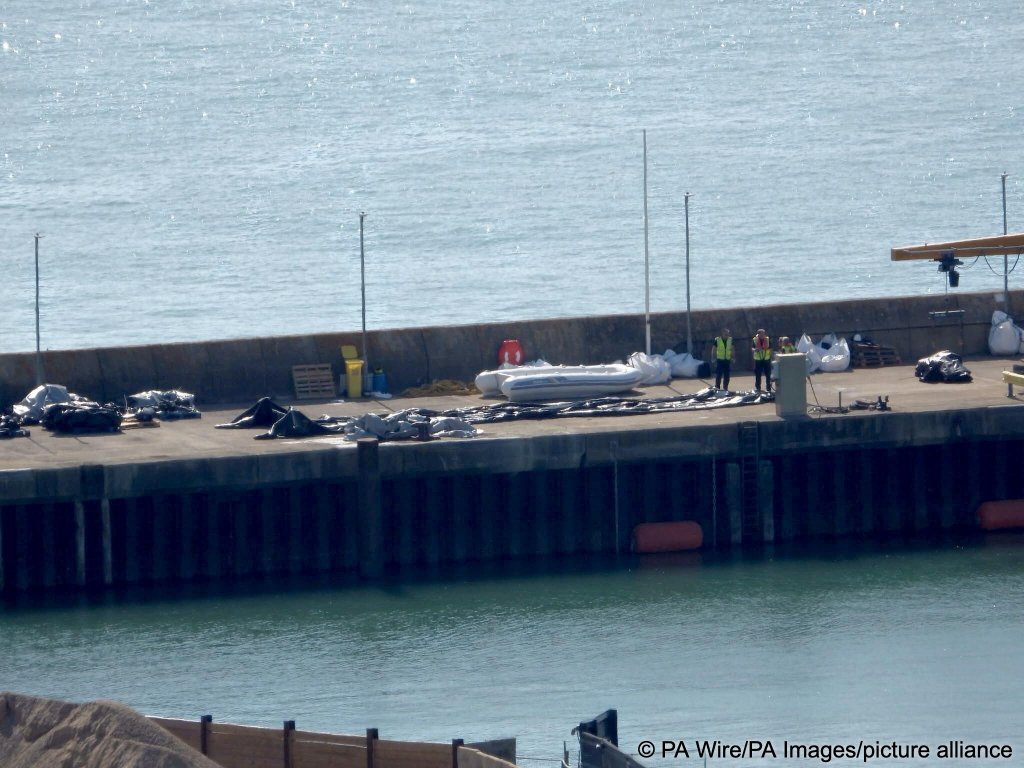
According to the National Crime Agency (NCA), working with European partners, it seized 533 boats or engines in 2025. The agency estimates that if the equipment reached the French coast, as many as 33,000 additional people could have attempted the crossing.
Has this disruption had an effect on the overall numbers? The government says crossings have fallen substantially in 2026, while arrivals were down by more than 40 percent compared with the same period in 2025. But tighter enforcement and fewer successful launches do not necessarily get rid of demand for crossings. Smuggling networks may adapt by exploiting new gaps or finding alternative ways to make the journeys possible.
For a smuggling network, putting more passengers on each successful boat could theoretically compensate for a reduction in the number of boats able to launch and also be more 'cost efficient'. For example, if enforcement makes it harder to send ten boats carrying 50 people each, there may be an incentive to attempt fewer crossings with vessels carrying substantially more people. However, both the Home Office and the NCA, while acknowledging disruption of supply chains, have not stated that this disruption has caused smugglers to switch to larger vessels.
Read AlsoChannel crossing: French coast departures claim more lives as migrants attempt to reach UK
Is surveillance altering where boats launch?
Some local media reports have suggested that increased surveillance and restrictions around the French coastline have made conventional beach launches more difficult, with smugglers instead using larger boats to collect passengers offshore, sometimes described as "taxi boats," while others have similarly linked the emergence of larger vessels to increased enforcement on northern French beaches.
The UK government says France's latest measures includes a more than 40 percent increase in law enforcement personnel on beaches, additional surveillance and specialist police units. But could this create another incentive to maximise each launch? If getting a boat and passengers onto the water becomes more of a challenge, a larger passenger number potentially makes each successful operation more 'valuable' for smugglers.
The NCA has described operations targeting boats and engines before they reach northern France, while UK-German cooperation has focused on equipment being stored or moved through continental Europe.
The Home Office has also criticized smugglers for "cramming ever greater numbers of people" onto Channel vessels. Risks are not only limited to mechanical failures but overcrowding can also make it harder for passengers to move, balance themselves, or escape if a boat begins to sink. On August 4, a boat carrying 173 people caught fire and capsized. A major British and French rescue operation followed, with passengers taken from the water. The Channel is also one of Europe's busiest shipping lanes and an overloaded inflatable boat sharing the water with much larger commercial vessels can also be at risk.
Supply chains, manufacturing and risks in intercepting larger vessels
Though dinghies may not be definitely increasing in size, they seem to be carrying substantially more people. The official average rose from seven people per boat in 2018 to 63 in the year ending March 2026, while the exceptional crossings of 128, 165, 173 and now 230 passengers suggest that the upper end of the scale has shifted. However, the broader number of crossings is declining. The combination of fewer boats overall but more passengers on some individual vessels may suggest that smuggling networks are adapting to increased enforcement.
Other factors, including the availability and cost of boats, disruptions in the supply chain (for example boat manufacturing in China), persistent demand for journeys and changes in smuggling routes, could also be contributing.
Another possibility is that larger inflatable vessels have become easier for smuggling networks to obtain. Investigations have traced boats and engines through international supply chains involving China, Turkey, Bulgaria and Germany, suggesting that the equipment itself is part of a broader organized network.
French maritime authorities have also acknowledged the difficulty of intervening directly with overcrowded boats once they are at sea. In July, the Maritime Prefecture for the Channel and North Sea said the vessels were structurally fragile and "systematically overloaded," and that officials sometimes chose not to force passengers onto rescue vessels because doing so could put their lives at risk if the boat capsized.
Read AlsoNo returns recorded in first month of UK-France migrant deal