
Spanish police have dismantled a criminal gang accused of recruiting unaccompanied migrant girls from care centers in the Canary Islands and taking them to the mainland under false pretences. Some of the girls were reported to have suffered sexual exploitation.
Spain's Guardia Civil police unit said that the investigation into the ring began after a migrant girl who was under the supervision of authorities in Gran Canaria had told investigators that she had been recruited by the group with the promise of a job.
Authorities arrested five people linked to the gang on the island and managed to rescue two more alleged victims while preventing four others from getting more deeply involved with the syndicate and leaving the island group in the Atlantic Ocean.
According to the Spanish police force, the minors were mostly from countries in sub-Saharan Africa. They had few family ties in Europe but were keen to move on to mainland Europe in order to work and help their families back home.
Read AlsoRefugee porn: Where sexual fantasies meet harsh realities
Reports of sexual exploitation
The girl who brought the situation to the attention of the police had reportedly traveled to mainland Spain via France, using forged travel and identity documents provided by the gang.
Authorities looked into the serious allegations and subsequently found several cases involving girls who had left care centers also without obtaining their personal documents but were later linked to flights with various destinations in mainland Spain.
Police said that the criminal ring preyed on the girls' vulnerability, offering to assist them with leaving the Canary Islands, and providing them with false identities in order to do so.
"Some of them are alleged to have been subjected to sexual exploitation," an official statement said.
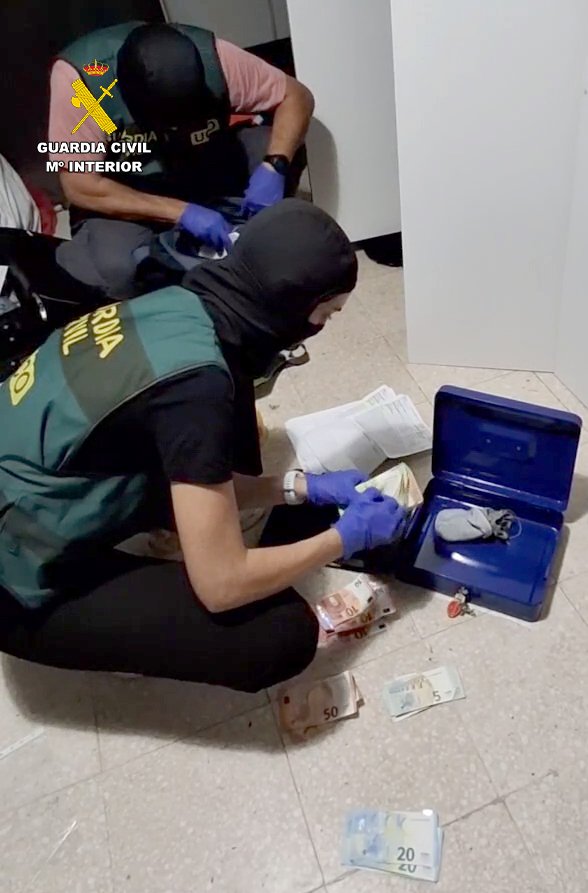
During raids and searches against the alleged gang, officers found money and mobile phones and other electronic devices. Future investigations have not been ruled out.
Read AlsoSpain: Asylum seekers attacked after rape allegations in Madrid
Children caught up in the Ceuta crisis
The raids and arrests are, however, overshadowed by the fallout following the irregular entry of an estimated 80,000 people into the Spanish enclave of Ceuta in North Africa in late July.
The unprecedented event has sent shockwaves across Europe, with EU officials fearing another migrant wave hitting the continent.
Read AlsoCeuta: Concern over unaccompanied minors and young people
While the majority of the migrants in Ceuta have returned across the border back to neighboring Morocco, several thousands remain there — including hundreds of underage minors who might be exposed to similar exploitative methods.
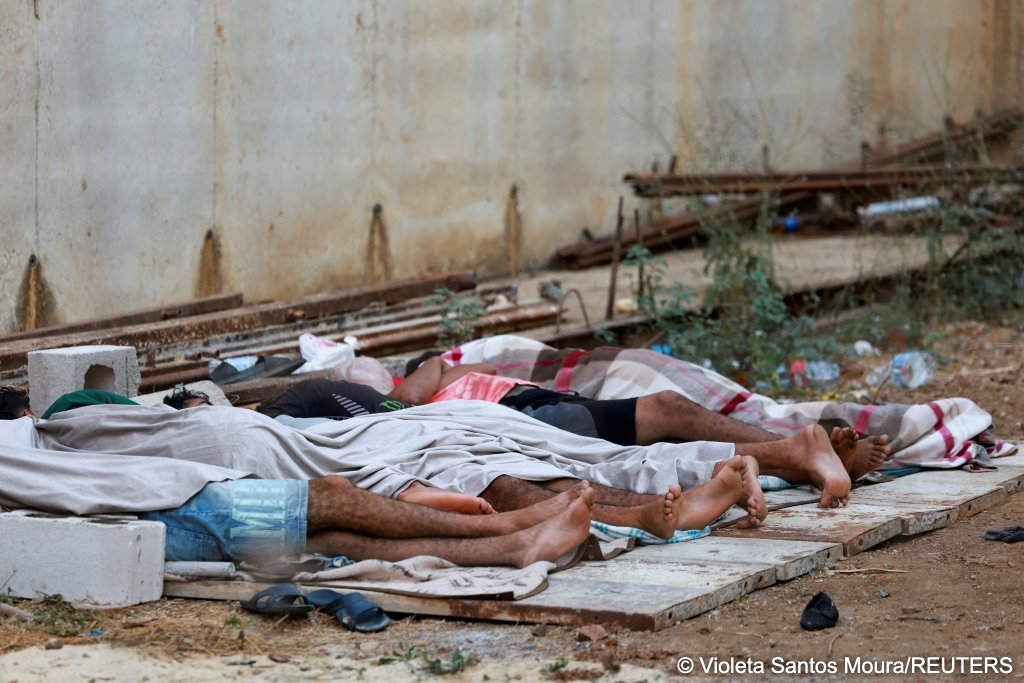
Aid groups have raised alarm over the potential risk of abuse and exploitation, which these children might suffer.
Spain's Youth and Children Minister Sira Rego said on August 7, that 1,342 unaccompanied children had been registered in Ceuta, with many still reportedly sleeping rough in the absence of sufficient services available in the small Spanish territory.
Read AlsoFact check: Did disinformation trigger the Ceuta crisis?
with AFP