
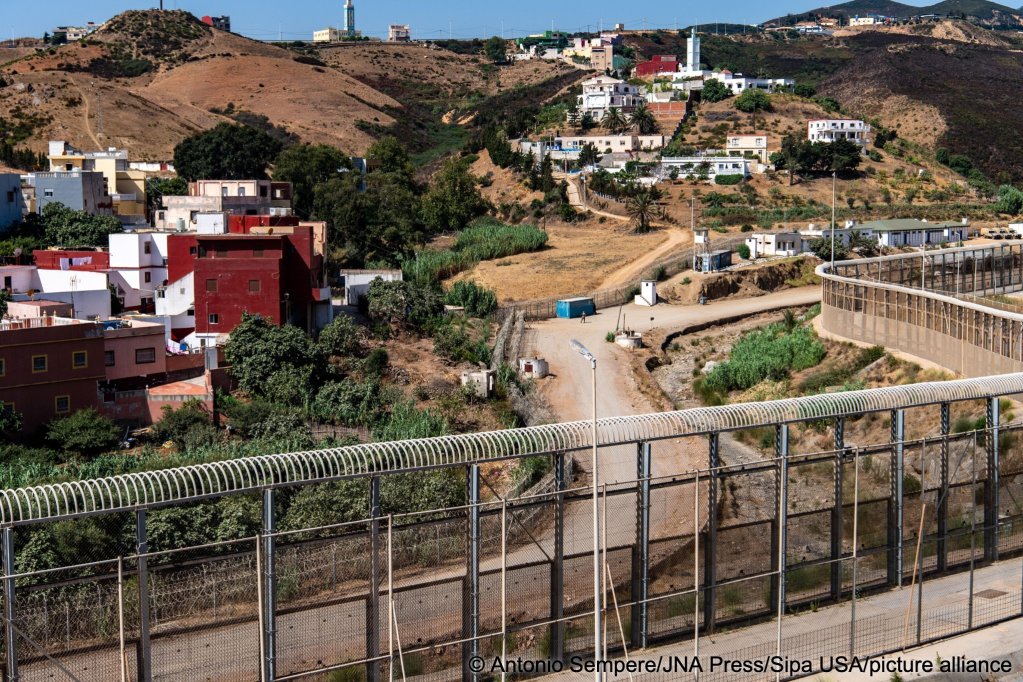
The leader of the Spanish enclave of Ceuta, Juan Jesus Vivas, has called for the arrest and expulsion of migrants who remain in the small territory. Late last month, an estimated 80,000 people had breached the border into the small Spanish community in north Africa from Morocco. Tensions remain high in Ceuta, as several thousand irregular migrants are still remain.
As the number of migrants assumed to have crossed over from Morocco into Ceuta was adjusted upward to 80,000 people, the leader of Ceuta demanded a more decisive approach in dealing with those who remain in the Spanish enclave after the incident.
Ceuta's leader Juan Jesus Vivas from the conservative Popular Party (PP) told reporters that the situation in the small territory was "unsustainable", saying that according to his own estimates, between 8,000 and 11,000 irregular migrants remained in Ceuta.
Vivas said on X that the government in Madrid must "deploy more agents on our streets, provide all necessary resources to the Foreigners' Department to expedite returns, and maintain the Army's presence to convey peace of mind to the people of Ceuta."
Vivas aded that a "space that acts as an internment center for foreigners must be set up, where these people can be held and remain confined," adding that this measure would ensure that migrants "are not in our streets and that expulsion proceedings can be handled with greater speed and ease."
According to current government figures, however, only around 2,500 migrants are still believed to remain Ceuta — far fewer than the number cited by Vivas.
Read AlsoWho is responsible for the Ceuta border surge?
Protest against handling of situation
Last weekend, thousands of Ceuta residents protested the handling of the migrant crisis on July 30 and 31, saying that they feared the fragility of the territory's borders in the long term; police estimated that roughly 5,000 people took part in the marches.
At least 83 people are confirmed to have died while trying to reach the enclave, with an unknown number having sustained injuries of varying degrees; the Spanish migrant rights' NGO Caminando Fronteras meanwhile believes that some 141 people died on either side of the border.
With about 70,000 people confirmed to have gone back into Morocco, several thousand still remain. Staff at reception facilities have declared themselves overwhelmed, and unable to cater with even basic food, water, shelter and sanitation.
Read AlsoCeuta leader says 100 migrants died in border rush
Many of the remining migrants are reported to be Moroccan nationals, who would not receive asylum as their home country is considered to be a safe place of origin.
However, among those who still remain in Ceuta are hundreds of unaccompanied minors, whom Spain cannot deport without a full review.
The Spanish government minister responsible for relations with Ceuta, Angel Victor Torres, meanwhile stated that reuniting these children with their families was "the priority" without responding to the demands to ramp up expulsions.
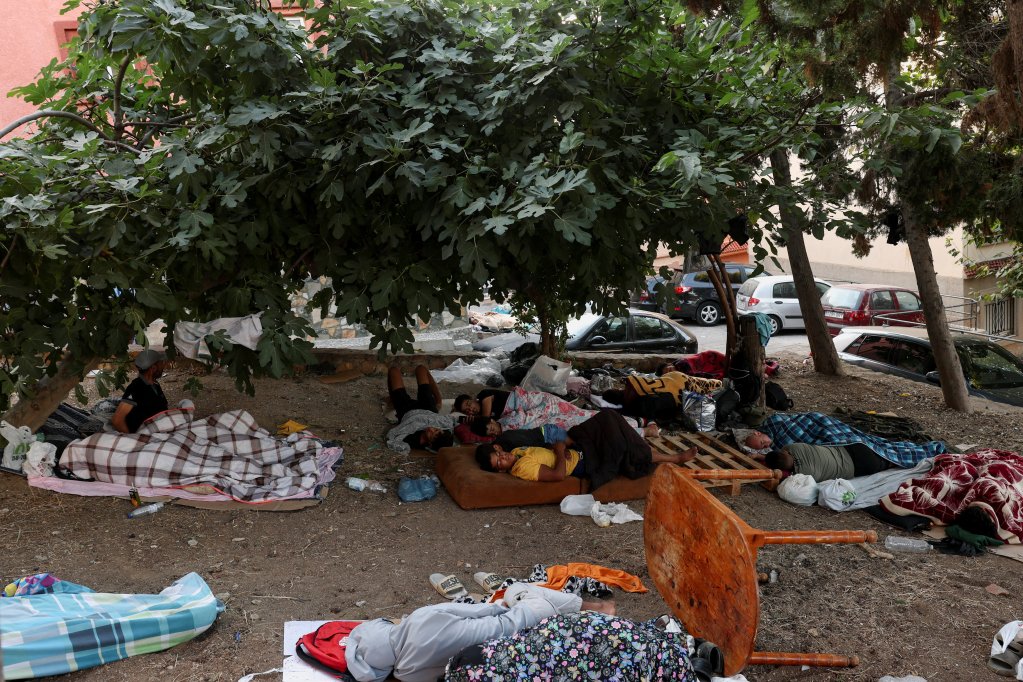
Read AlsoLife in limbo: Migrants stranded in Ceuta after mass crossing
Unaccompanied minors a key issue
The political nuances of the situation echo aspects of a greater standoff between Spain's leftist central government in Madrid and individual regions, which are run by different parties — in many case the conservative Popular Party (PP) and far-right Vox Party.
These regions are opposed to the idea of redistributing unaccompanied children to other parts of Spain to alleviate the burden on regions like Ceuta and the Canary Islands, which are on the frontline of most arrivals.
Read AlsoCeuta: Concern over unaccompanied minors and young people
with AFP, dpa