
The number of bodies recovered along Ceuta’s coastline since the beginning of the year has now risen to 29. Ten bodies were recovered in the month of July alone. Authorities have also reported that arrivals exceeded 1,500 in just over a week.
Spanish authorities recovered two bodies at sea and rescued over 300 others as irregular border crossings into Ceuta from Morocco continue, the Spanish media outlet, EFE, reported today (July 30).
Spanish media also reported that three bodies were recovered on the Spanish mainland's southern coast, near Malaga on Tuesday (July 28). Those found, reported Diario Sur, are believed to have been young migrants, possibly from Morocco, who had been attempting to swim to Ceuta.
Although the bodies are reported to have been in an "advanced state of decomposition," the Spanish rescue authorities Salvamento Maritimo told Diario Sur that they believed at least one of the people recovered was likely to have been between 19 and 20 years old.
According to reports, the bodies were dressed in neoprene wetsuits. Initial investigations, being conducted by authorities in the Spanish city of Malaga, suggest that the three, although not discovered together, may all have been attempting to swim from Morocco to Ceuta but got pulled by marine currents and became disorientated and eventually died.
The number of bodies recovered along Ceuta’s coastline since the beginning of the year has now risen to at least 29. Ten were recovered in the month of July alone, reports suggest.
Ceuta, a Spanish enclave on the North African coast, is surrounded by Moroccan territory and the small city might appear to be tantalizingly near for those observing it from the other side of the fences and breakwaters that separate them. However, both Spanish and Moroccan authorities underline how dangerous an attempted crossing, either by sea or over the fence can be.
This month has seen a marked increase in the number of people attempting to swim into Ceuta since the Supreme Court decision that banned "hot returns" or the return of people crossing by sea.
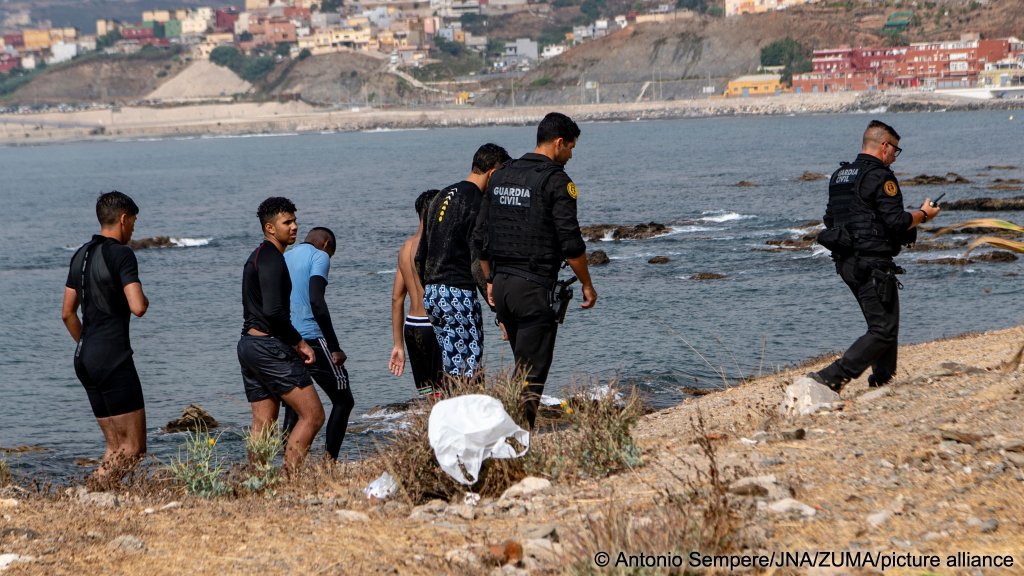
More than 1,500 people have reached Ceuta by sea in just over a week, according to local authorities. Spanish media reported that most of those attempting the crossing were Moroccan or Algerian nationals, estimated to be between 18-30 years old, with some minors among them.
On Sunday (July 26), Spanish local newspaper El Faro de Ceuta published photographs and identifying details for more than 20 young people, believed to be missing since they set off to attempt to enter Ceuta. The article included contact details of family members who are desperately searching for their sons and brothers from whom they had not heard since their presumed attempt to swim through the breakwaters into Ceuta. Some were reportedly last seen around Castillejos (known in Morocco as Fnideq) while others had traveled to the northern coast from cities as distant as Marrakech.
Read AlsoMorocco: Families search for those missing after attempting to swim to Ceuta
Arrivals more than doubled
Data from the Spanish Interior Ministry indicate that arrivals at Ceuta’s land border have increased sharply this year. Between January 1 and July 15, authorities recorded 2,826 arrivals, compared with 1,133 during the same period of 2025. That translates to an increase of 1,693 people, or 149 percent. The latest reported arrivals would take the numbers to over 4,000 since the beginning of the year.
Local authorities and rescue services are struggling to respond and have sounded the alarm on the city's reception facilities becoming increasingly overcrowded.
In a statement issued yesterday (July 29), Ceuta’s president, Juan Vivas, described the current situation as "extremely serious" and warned of "extreme migratory pressure." More than 200 people are entering daily, and reception facilities completely overwhelmed.
Spain's Interior Minister Fernando Grande-Marlaska will travel to Ceuta on Friday, reported the news agency Reuters, to meet local authorities and security chiefs. The Spanish government said it was coordinating across multiple ministries to strengthen border control and provide humanitarian assistance.
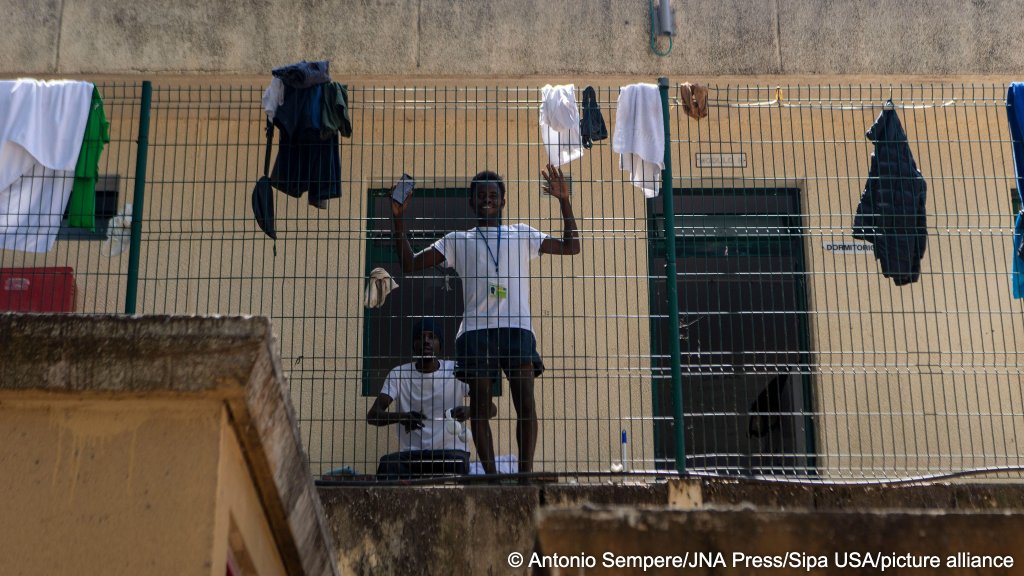
Facilities for unaccompanied foreign minors are particularly overcrowded and are operating at 1,600 percent of their ordinary capacity. The city was accommodating 570 minors on Wednesday (July 29), compared with 180 ten days earlier.
If arrivals continued at the current rate, Vivas warned that the situation could approach the scale of the May 2021 situation, when thousands of people entered Ceuta from Morocco within several days
In this statement, Vivas outlined five priority lines of action:
- Creation of additional reception places
- Use of legal mechanisms to facilitate departures from Ceuta
- Activation of financial resources reserved for migration contingencies and reinforcements for the security forces
- Amendment of the Immigration Law to restore an effective instrument against irregular entries by sea that is in accordance with the criteria established by the Supreme Court on July 8
- Strengthening of collaboration with Moroccan authorities on migration control
Vivas said a long-term response should have two objectives: preventing people from risking their lives while trying to reach Ceuta and ensuring that the city has adequate reception capacity.
With Reuters, EFE, AFP