
Polish solidarity with Ukraine "is being destroyed right now if we allow thugs, hooligans and common criminals to beat and humiliate people simply because they have a slightly different accent," Prime Minister Donald Tusk has said, following an assault on a young Ukrainian couple in Wroclaw.
An attack on a young Ukrainian couple in the southwestern Polish city of Wroclaw has prompted warnings from Polish Prime Minister Donald Tusk over anti-Ukrainian hostilities in the country, according to local media reports.
Authorities have arrested two suspects and launched an investigation into the assault. The attack took place on Sunday (July 26) and involved a 20-year-old Ukrainian woman, Anastazja, and her 21-year-old partner, Maksym. According to several media reports, the couple were confronted by three men as they returned to their car after an altercation at a nearby shop.
Anastazja’s brother said in a social media post that the confrontation began when the men cut in front of the couple in a queue and reacted with insults after being challenged, allegedly targeting the couple because of the woman’s Ukrainian accent.
Video footage shared on social media appears to show the three men approaching the couple and attacking Maksym with punches until he fell to the ground. One of the attackers is seen kicking him while he was lying on the pavement. Anastazja was reportedly struck while trying to protect her partner. She suffered an injury to her ear that required medical treatment, while both victims were taken to hospital with non-life-threatening injuries.
Anastazja's mother, Karina, said in a television interview that the family has been living in Poland for over 10 years, BBC Polish reported.
Read AlsoRefugees and migrants should not be exploited as political tools in campaigns, warns UN
'Simply because they have a slightly different accent'
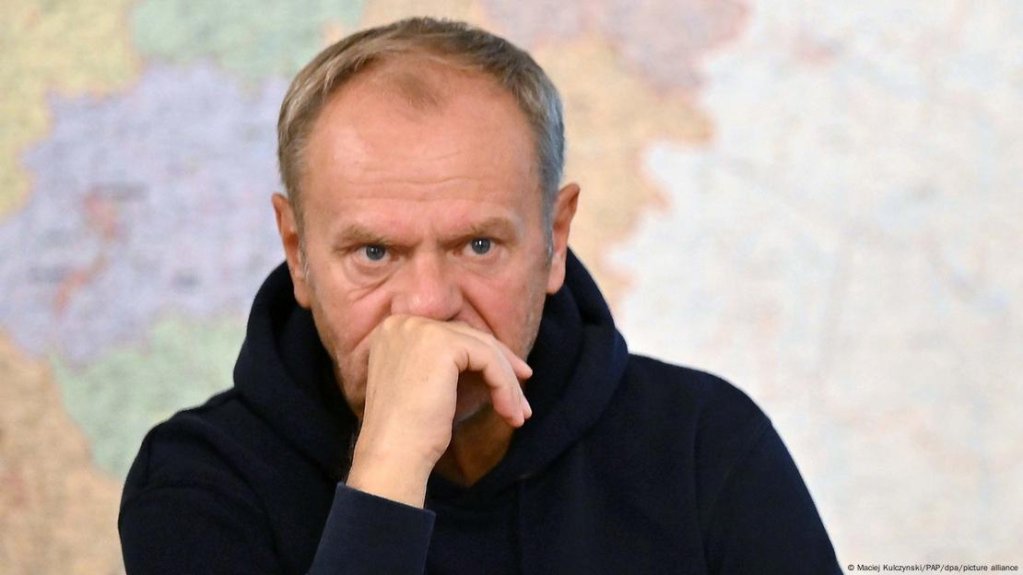
Prime Minister Tusk said the incident represented friction in the relationship between Poles and Ukrainians, which had initially strengthened significantly after Russia launched its full-scale invasion of Ukraine in 2022. He said violence towards Ukrainians risks undermining years of Polish solidarity with refugees fleeing Russia’s war against Ukraine.
"After Russia began its war of aggression against Ukraine, the world was impressed by the solidarity shown by Poles towards war refugees from their neighboring country," Tusk said in Warsaw. "All of this is being destroyed right now if we allow thugs, hooligans and common criminals to beat and humiliate people simply because they have a slightly different accent."
Ukraine calls for probe
Polish police arrested two suspects on Sunday evening. According to Interior Minister Marcin Kierwinski, the detained men, aged 27 and 45, had criminal records, adding that one was apprehended by counter-terrorism officers while attempting to leave Wrocław.
Prosecutors have charged a man named publicly only as Tomasz M. with assault and violence motivated by nationality, according to Polish broadcaster TVP. A second suspect, identified only as Adam C., is expected to face similar charges, while authorities continue searching for the third attacker. If convicted, the suspects could face up to five years in prison.
Ukraine’s acting Foreign Minister Andriy Sybiha called for a full investigation and urged Polish politicians not to contribute to rhetoric that could increase hostility towards Ukrainians.
Polish Foreign Minister Radosław Sikorski has said that a prison sentence for those responsible could demonstrate that most Poles reject what he described as "football-hooligan chauvinism."
Read AlsoPoland: Over one million migrants employed in 2025
Ukrainians remain Europe's largest displaced group
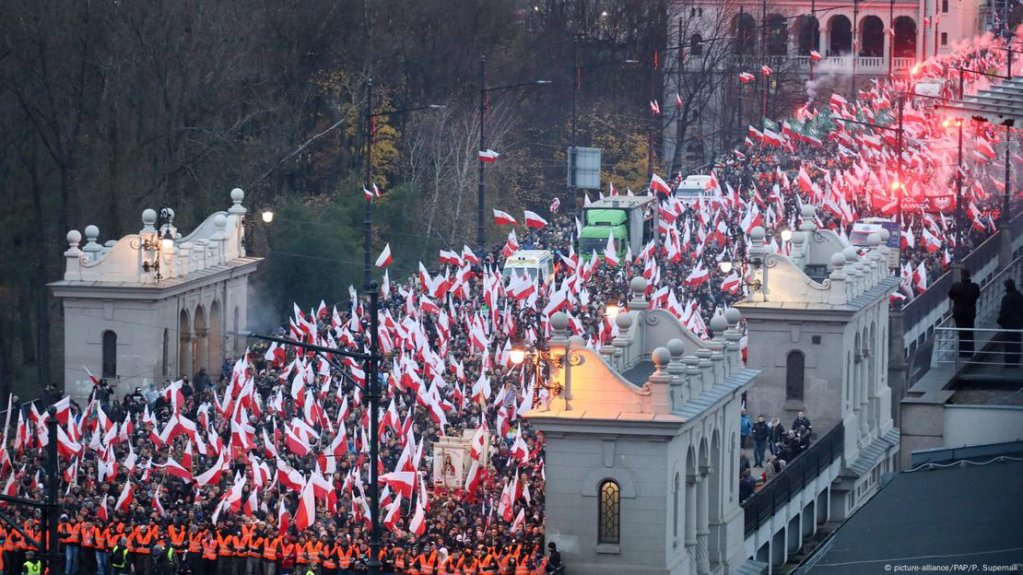
Tensions between the two countries escalated further after Ukrainian President Volodymyr Zelensky approved a decree naming a Ukrainian military unit after the Ukrainian Insurgent Army (UPA), which some Poles and historians associate with the deaths of tens of thousands of Poles during the Volhynia massacres of 1943–44. Poland has called the Volhynia massacres a genocide, but Ukraine has rejected that designation.
In response, Polish President Karol Nawrocki removed Zelensky’s Order of the White Eagle, Poland’s highest state honor, fueling criticism from Ukrainian officials and concern over anti-Ukrainian sentiment. Tusk has warned that political disputes should not translate into attacks on individuals.
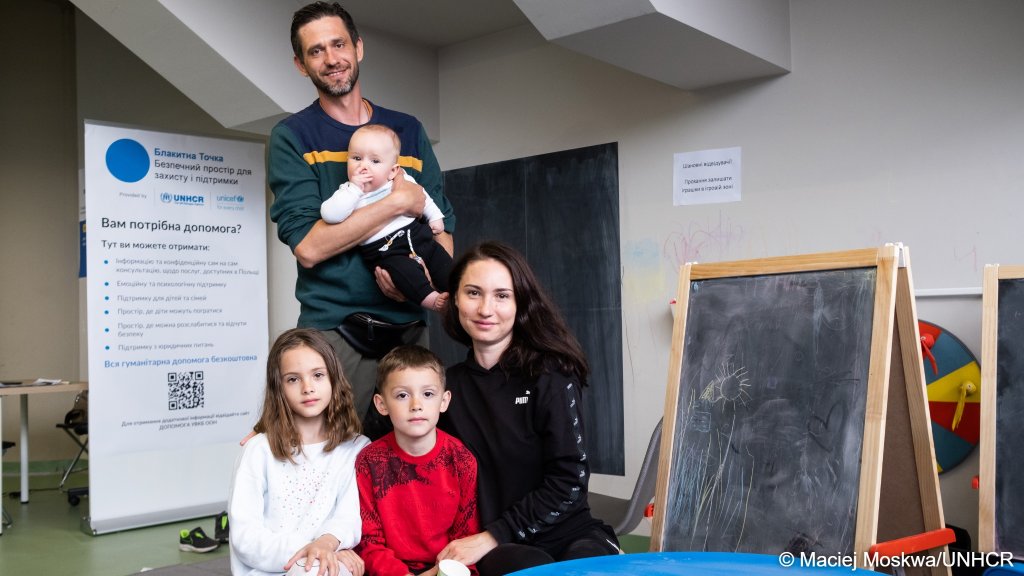
Poland is home to one of Europe’s largest Ukrainian communities and Wroclaw has one of the largest Ukrainian communities in the country. Hundreds of thousands of Ukrainians were already living and working in Poland before 2022, and the country became one of the main destinations for Ukrainian refugees after Russia’s invasion. Estimates place the number of Ukrainian citizens currently living in Poland at around 1.5 million, including nearly one million under temporary protection. Ukrainians are the largest group of displaced people in Europe, with millions receiving temporary protection.
Read AlsoUK: Police attempt to remove loyalist bonfire 'hate display'
Hate crimes on rise
In an analysis of social media from June 1-21, the Res Futura Foundation and Press Club Polska found that 22 percent of 754,000 posts about Ukraine were "critical", compared with 15.4 percent in May, BBC Polish reported. There was also a 30 percent increase in hate crimes reported to the police by Ukrainians in the first six months of this year, compared to the same period in 2025, BBC Polish reported.