
The eastern Libyan authorities, based in Benghazi, say they have now deported more than 117,000 irregular migrants of various nationalities. They also claim that more than 100,000 Sudanese migrants have registered for voluntary repatriation.
Libya’s Benghazi-based government claims it has deported 117,350 irregular migrants of various nationalities as it begins implementing a new immigration policy introduced last month, the government announced on its official Facebook page yesterday (July 27).
The figure was announced after Osama Hammad, Prime Minister of Libya's eastern government, chaired a meeting for the monitoring of foreign arrivals and irregular migration. "The Prime Minister stressed that the government is dealing with the file of irregular migration as a sovereign issue that affects national security," the government said in a statement.
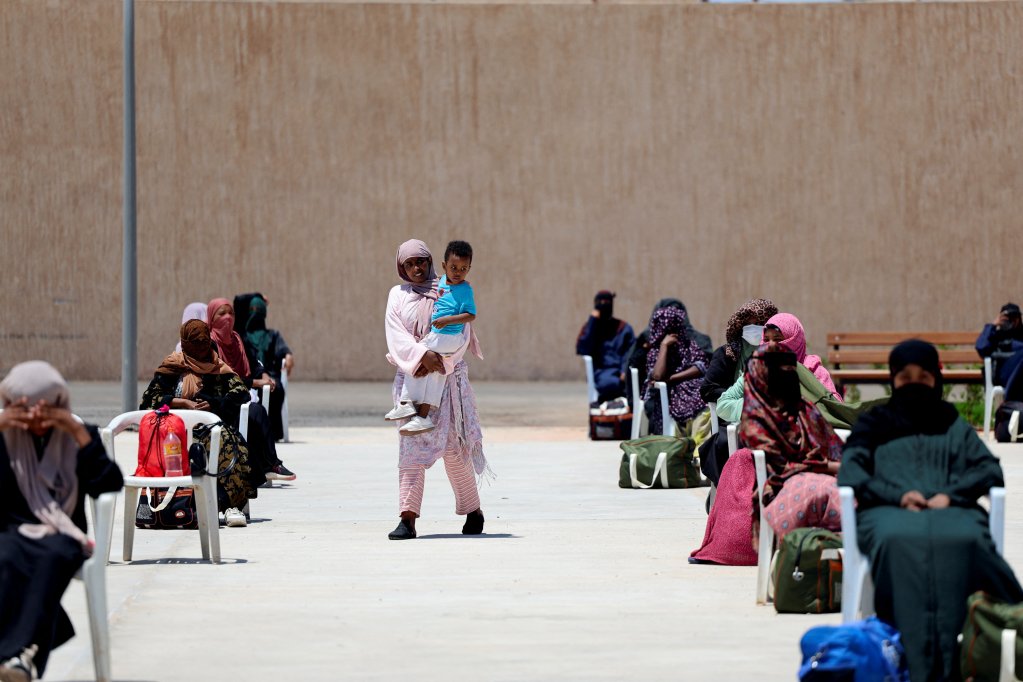
The government did not provide a breakdown of the deportees by nationality or details about the period covered by the figure. It was also reported by the Turkish public broadcaster TRT World.
The announcement follows a decree, entitled Prime Minister’s Decision No. 113 of 2026, issued on June 23 which prohibits Sudanese, Eritrean, Ethiopian and Somali nationals from entering eastern Libya through land, sea or air crossings.
Diplomatic and consular personnel from the four listed countries are exempt, along with approved foreign workers in education, medicine and auxiliary health professions. Article 3 allows the Interior Ministry to circulate the decision to border authorities and take immediate steps to deport nationals of the four countries who they say lack valid residency.
The policy outlines measures intended to strengthen official border crossings and security checkpoints, and standardize foreign-residency procedures.
The policy was issued by the eastern administration appointed by Libya’s House of Representatives. Libya remains divided between rival authorities, with the UN-recognized Government of National Unity operating from Tripoli in the west. And authorities in the east under the command of Field Marshall Khalifa Haftar and government authorities operating out of Benghazi.
The Benghazi-based government also said more than 100,000 Sudanese have registered for a voluntary-return program and that humanitarian flights had begun to take those who had registered back home too. However, UN sources suggest that in May this year, there were just under 94,000 Sudanese citizens registered with the UNHCR across the country. That is out of a total 113,026 people registered with the UN body in Tripoli that month.
Eastern authorities introduced a National Health Certification Program, and in Tobruk Sudanese refugees are required to obtain a health card — associated costs of which affect access to health services and administrative processes, noted a recent AI-generated public good report on the Sudanese situation, from a US-based NGO known as Data Friendly Space. It is unknown exactly how many Sudanese may be in the east of the country.
Read AlsoAs Sudan's war worsens, more displacement is likely
Returning to Sudan
Parallel to this are efforts by Sudan’s government to bring citizens home. On July 19, Sudanese Prime Minister Kamil Idris met Mohamed Wadah, chairman of the Hope Committee for Voluntary Return.
For its part, Sudan’s Council of Ministers said in a statement published on its official website last week (July 19) that more than 84,000 citizens had registered to return from Libya. However, the absence of direct flights and viable land routes from eastern Libya was complicating the operation.
The return campaign is proceeding while Sudan remains at war. Fighting between the Sudanese Armed Forces and the paramilitary Rapid Support Forces has increasingly centered on the area of El Obeid in recent months.
ReliefWeb, the information service run by the United Nations Office for the Coordination of Humanitarian Affairs (OCHA), described the situation in Sudan as "one of the world's most severe humanitarian emergencies" driving "unprecedented levels of displacement, violence, and suffering."
The UN has warned of siege-like conditions, drone attacks and severe shortages of food, water and healthcare around El Obeid. Cholera has also spread amid conflict, displacement and seasonal rains. According to the World Food Program, millions of people remain at emergency or catastrophic levels of hunger, raising questions about whether safe and sustainable returns are presently possible throughout Sudan.
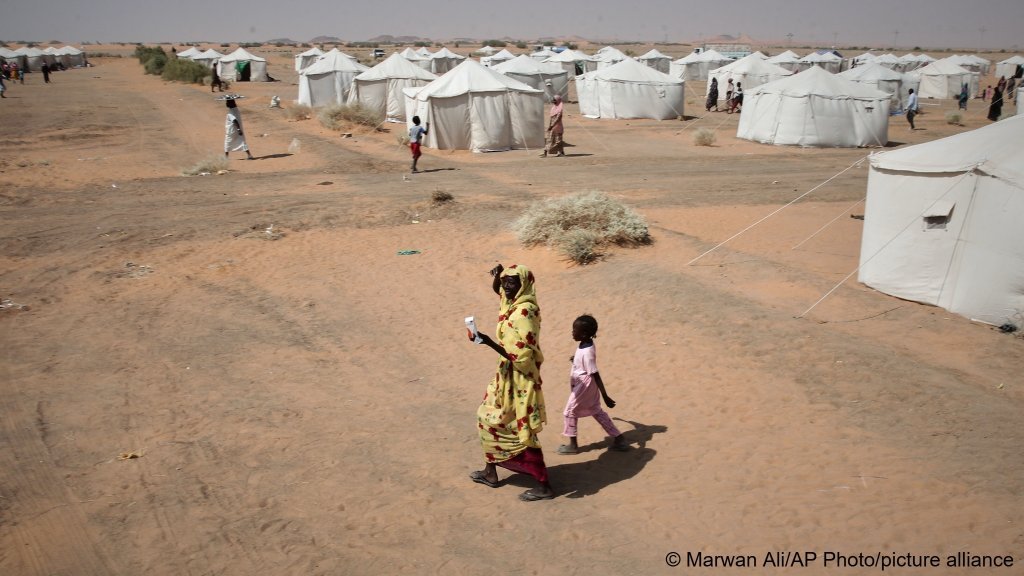
Mass displacement
In 2025, more than 30 million people were reported to be in need of humanitarian assistance. In the regions of Darfur and Kordofan, mass hunger has taken hold.
Earlier this month, the European Parliament released a briefing document assessing whether the bloc is prepared for the potential arrival of large numbers of refugees from Sudan and Iran, similar to the movements seen during the 2015 migration crisis.
Since the overthrow of longterm strongman Muammar Gaddafi in a NATO-led uprising in 2011, Libya has become the main departure point for irregular migrants seeking to reach Europe from the African continent. Since 2011, the country has been divided between two main rival factions and numerous militias and smaller groups who hold sway in their areas. This makes life even more difficult for the migrants, asylum seekers and refugees who continue to arrive in Libya.
Reports suggest that most of them end up being bought, sold or exploited by many of the militias, before finally being allowed to board a boat, controlled by smuggling gangs, towards Europe.
Read AlsoEU briefing examines readiness for potential refugee movements linked to Sudan, Iran conflicts