
For the first time in over 20 years, there were more people deported than newly filed asylum applications in Austria. The reason for the decline included improved EU external border protection, national border controls, and the suspension of family reunification, the government said.
For the first time in over 20 years, more people were deported than there were newly filed asylum applications in Austria.
The Austrian Interior Minister Gerhard Karner presented the latest asylum figures in a press conference on Tuesday (July 21), showing that 2,106 initial asylum applications were submitted by newly arrived individuals between January and June while 2,200 people with asylum status had to leave the country.
"This is a development that we consider correct and necessary," Karner said reportedly to local media.
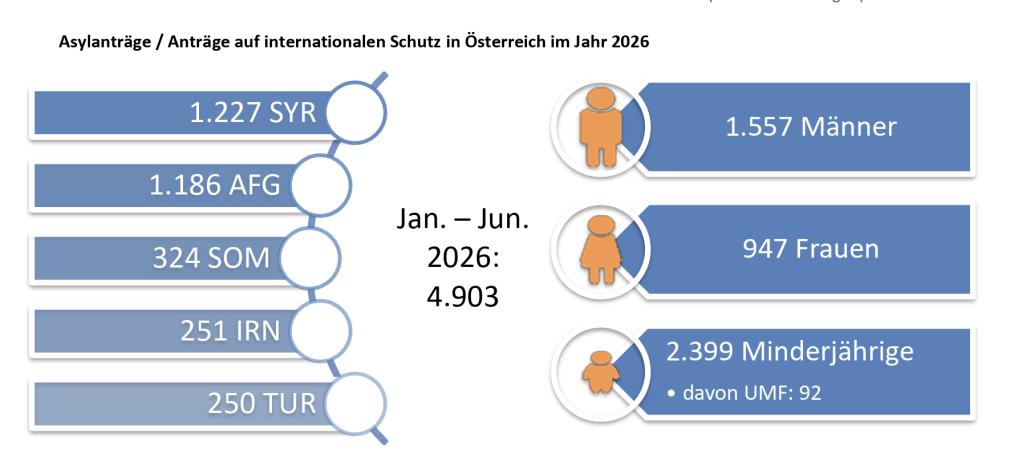
The drop continues a downward decline in asylum applications during the same period where there were approximately 3,200 applications filed.
The decline was attributed to improved EU external border protection, national border controls, and the suspension of family reunification.
In the first half of the year, Syria and Afghanistan continued to dominate the countries of origin for asylum applications. The two countries each accounted for around a quarter of all applications. Following those two countries were Somalia (seven percent), then Iran, while Turkey and Russia accounted for five percent each.
Restricting family reunification
Government figures also indicate a drastic drop in family reunification applications. In the first half of 2024, an estimated 6,000 people came to Austria via family reunification. In the first half of this year, this number took a nose dive to just 50.
In May, Austria moved to restrict refugee family reunification through a new quota-based system. The legislation introduced caps on the number of family members able to join refugees each year, marking a significant shift in the country’s migration policy.
This decision was the right one, Karner said, "a tough but necessary measure to relieve pressure on systems."
Additionally, mid last year, the conservative-led government froze most family reunification procedures for refugees.

Organizations that work with migrants, refugees and asylum seekers often consider the quota system unlawful and view the halt to family reunification as problematic from a human rights perspective.
A Caritas Europa report, "Family Reunification: A right, not a privilege", documented the impact of the EU's wider trend of tightening family reunification rules through suspensions, waiting periods, tougher evidentiary burdens and stricter eligibility criteria. The increasingly restrictive process is particularly impacting unaccompanied minors who often experience the strongest emotional impact of separation while also facing some of the most complex legal and administrative barriers. The bureaucratic layers add up over time where some juvenile migrants reach adulthood before their their applications are processed, which is also known as "aging out" of the asylum process. This inevitably affects their eligibility for family reunification.
Read AlsoAustria limits refugee family reunification under new quota system
Return hubs in third countries
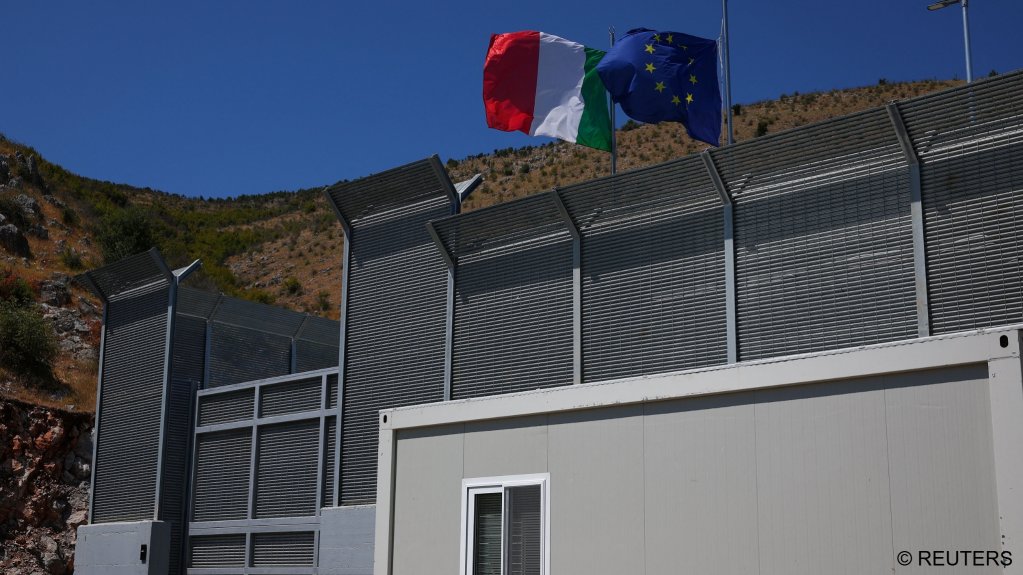
In addition to domestic reforms on its asylum policy, Austria is among five EU countries which intend to establish return hubs in third countries outside the bloc via joint initiatives. Other similar models have been explored such as the UK - Rwanda deal (which did not materialize because of a change in government and numerous court cases blocking its implementation) and the Italy-Albania deal where irregular (but non-vulnerable) arrivals intercepted at sea are brought to a migrant detention center in Albania for processing. This too though has not really got off the ground in the way the Italian government had intended, also due to numerous court cases.
Recently, in letters addressed to the Foreign Ministers of Austria, Denmark, Germany, the Netherlands, and Greece, the Council of Europe Commissioner for Human Rights, Michael O’Flaherty, reminded the five countries that externalization plans should have sufficient guardrails aligned with international human rights law.
In talks last week in Berlin, Karner met with his German counterpart to discuss measures meant to encourage the voluntary return of Syrian asylum seekers and refugees, through a combination of voluntary returns, forced returns and the possibility of remaining for well-integrated people from Syria.
Read AlsoCouncil of Europe: Externalized asylum policies must align with international human rights law