
Spanish Interior Ministry data show 2,826 irregular arrivals in Ceuta between January 1 and July 15, 2026, compared with 1,133 in the equivalent period last year, translating to a 149 percent increase. There were 244 recorded arrivals during the first half of July alone.
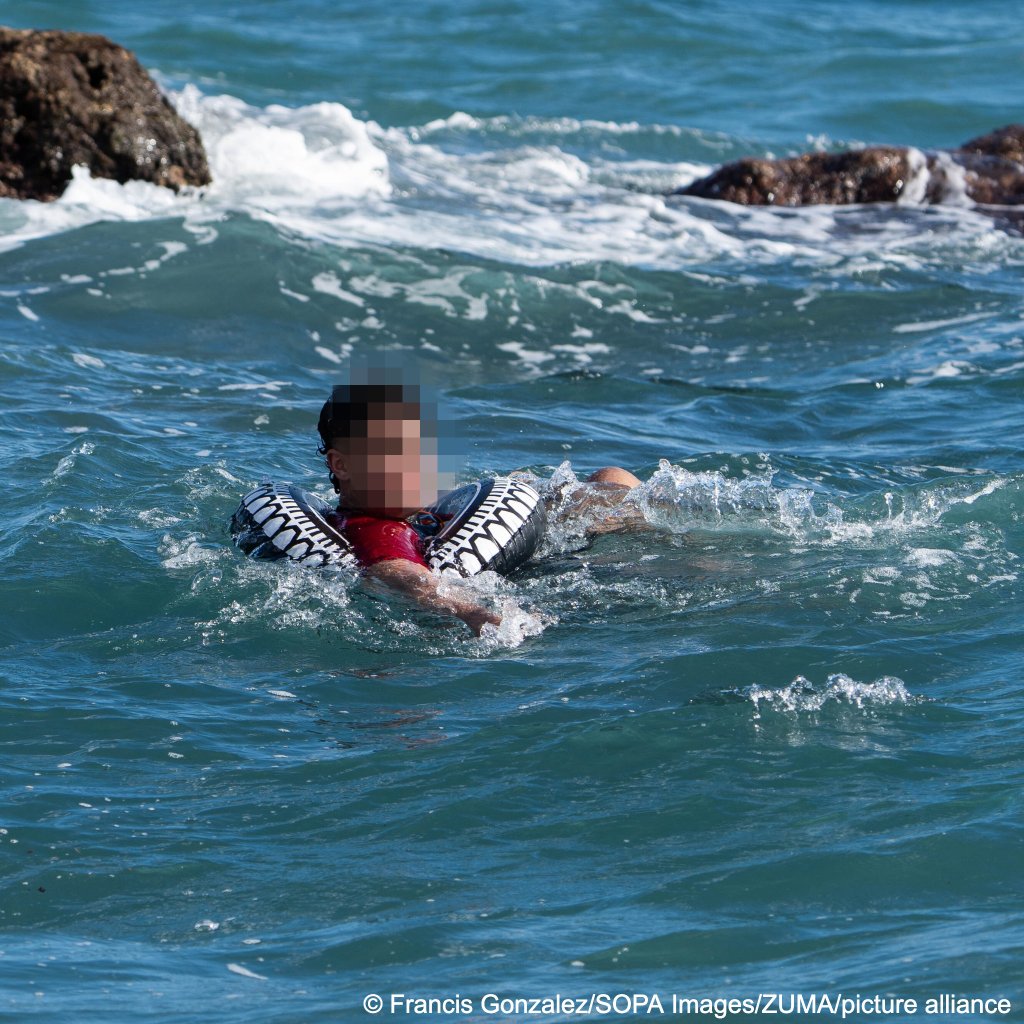
On Thursday (July 23), according to the Spanish language El Faro de Ceuta newspaper, a young migrant was filmed swimming into Ceuta, the Spanish enclave on the African continent. The young man arrived in the Almadraba area and was using a float to help him swim.
Although this man survived the crossing, the newspaper underlined that many get caught in fishing nets in the area and are found lifeless by the Spanish or Moroccan authorities, which frequently patrol this area.
Recent investigations, added the newspaper, have documented that some are using smuggling networks to access the enclave, arranging to be dropped or picked up by fishing boats or jetskis and hidden in nearby homes to try and evade authorities. Arrivals and attempts to cross occur nearly every day, say the Spanish authorities. More than 200 attempted crossings occurred overnight, reported El Faro between Wednesday (July 22) and Thursday (July 23).
In the midst of the revelry spurred by Spain’s World Cup victory on Sunday (July 19), an estimated 200 migrants attempted to cross over from Morocco to the Spanish enclave of Ceuta by swimming, local Spanish and Moroccan media reported.
Most of the people were reportedly Algerian males who had traveled to the Tarajal area of Morocco. An estimated 30 people people tried to enter by sea through the Benzú sector of Beliones too. The groups were supposedly hoping to take advantage of authorities being distracted by the increased public activity brought by the victory celebrations.
Authorities on both sides had anticipated a Spanish victory triggering an increase in attempts to swim across the border and had increased their security operations. Spain’s Guardia Civil placed its maritime and diving units on high alert. Meanwhile, Morocco’s Royal Navy quickly deployed three vessels, which reportedly included two small boats and a larger ship, to intercept and rescue migrants in Moroccan waters before they could reach Spanish territory.
Read AlsoCeuta: 54 minors swim to North African exclave
Increased attempts to swim across the border
Spanish Interior Ministry data (as of July 15) show 2,826 irregular arrivals in Ceuta between January 1 and July 15, 2026, compared with 1,133 in the equivalent 2025 period. The change represents a 149 percent increase. There were 244 recorded arrivals during the first half of July alone. These totals record completed arrivals, not everyone who attempted the crossing.
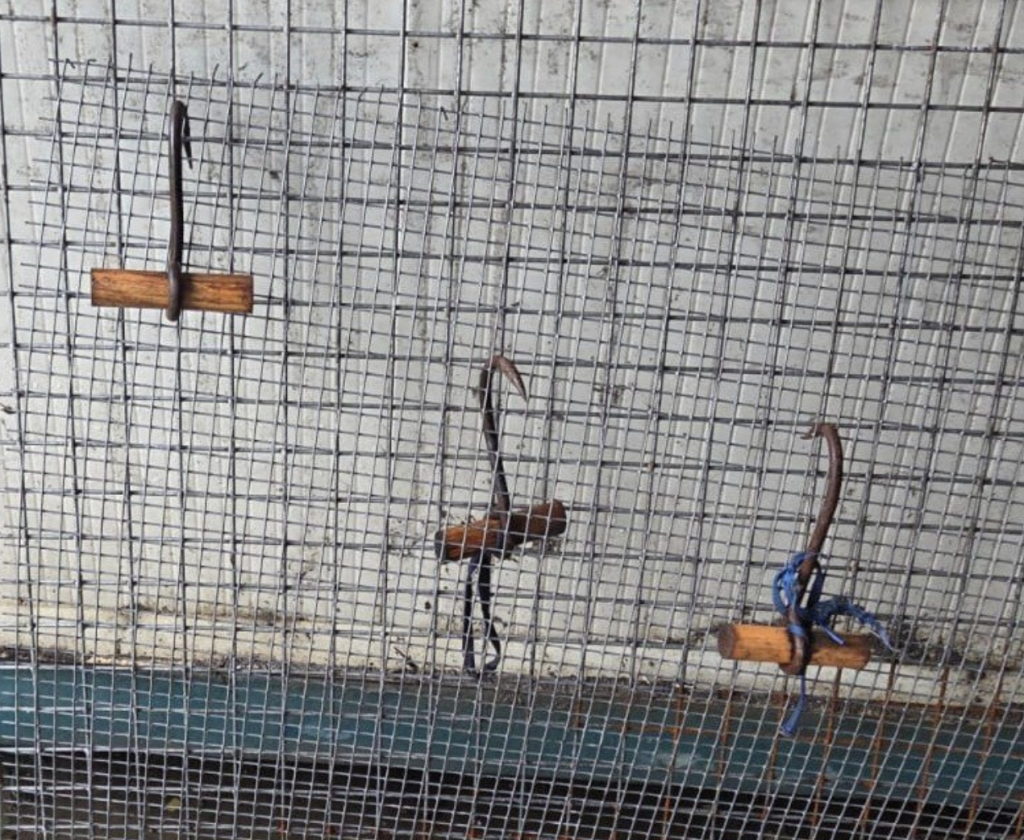
The border is constantly monitored by Moroccan and Spanish guards, but migrants trying to enter the enclave by swimming from the nearby town of Fnideq (south of Ceuta) or Benzu (north of Ceuta) have learned how to circumvent the surveillance systems. For instance, they use hooks to climb over the fences which reportedly reach up to 12-meters high and is eight kilometers long in 30 seconds -- the time that passes before authorities are alerted of an attempt to cross.
Read AlsoIn Ceuta, 'every day, migrants try to enter' the Spanish enclave
'Hot returns' not allowed
A Supreme Court ruling issued earlier this month banned 'hot returns' or the application of border rejection to people intercepted at sea while trying to enter Ceuta and Melilla by swimming.
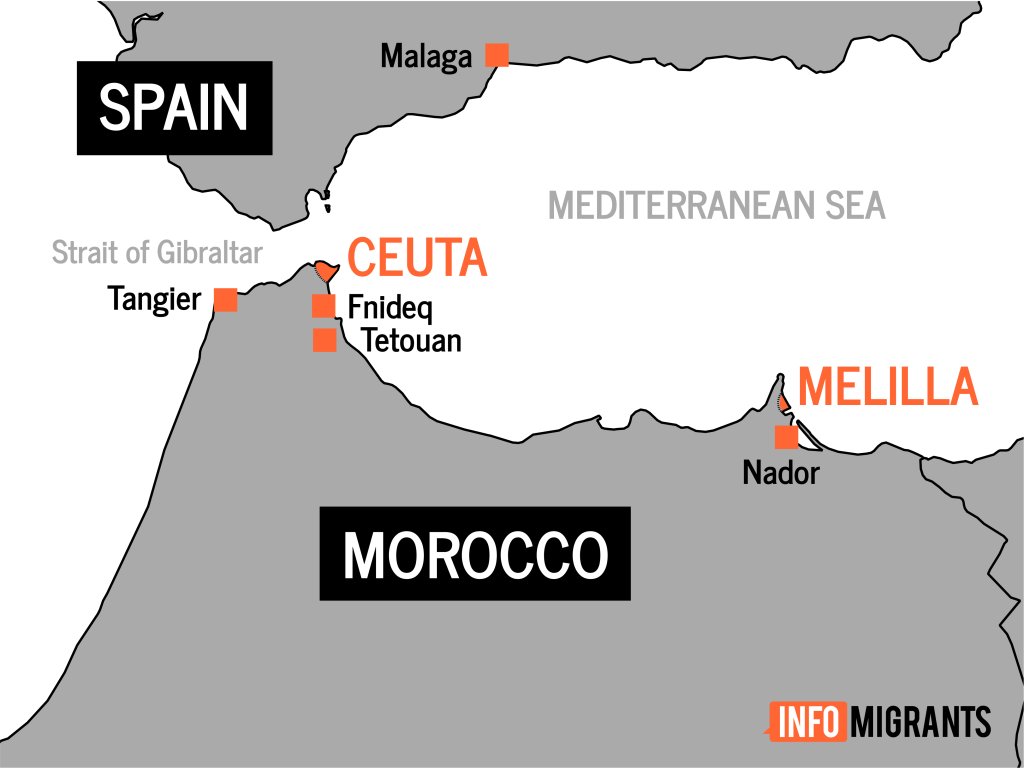
The court determined that the special border-return procedure in Spain’s immigration legislation applies to attempts to cross the physical border fences described as containment elements that include drones, thermal cameras and sensors, but not to people intercepted at sea. People rescued or intercepted after swimming into Spanish waters must therefore be processed under the ordinary immigration framework, which includes procedural safeguards.
The ruling was based on the case of an Algerian man who appealed the administrative decision that resulted in him being apprehended by authorities and handed over to the Moroccan authorities after he and two others were intercepted on November 14, 2024.
Read AlsoSpain: Migration minister defends regularization drive
Transfers to the mainland
Dozens of migrants also departed from the Spanish enclave of Ceuta for mainland Spain this week. On Thursday (July 23), local daily El Faro de Ceuta said that there were "nearly 600 migrants" in the Temporary Migrant Reception Center (CETI), which did not include the hundred or so waiting at the gates, after swimming to the enclave over night.
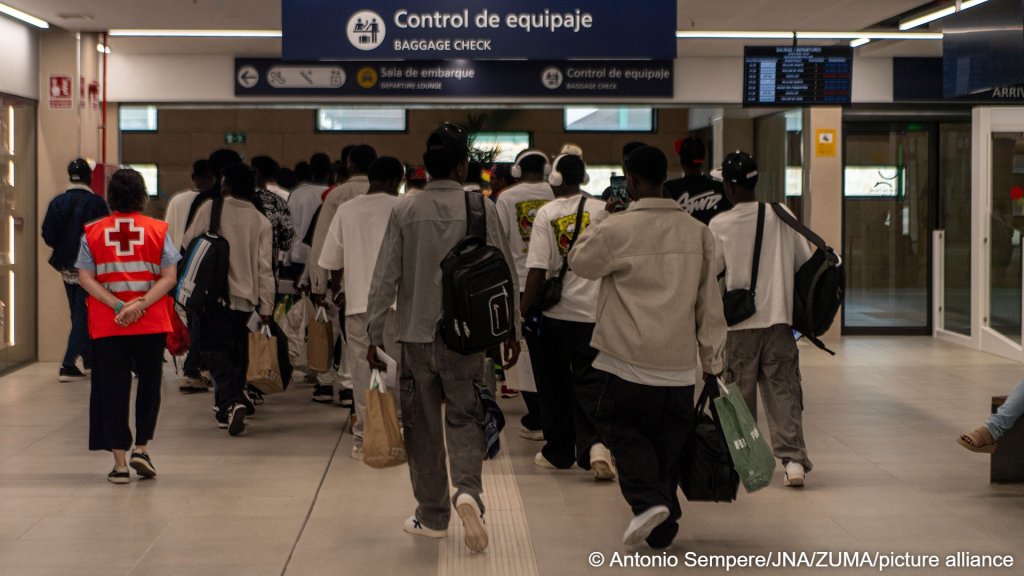
spending several months there following their arrival in the Spanish enclave | Photo: Antonio Sempere / JNA / Zuma / picture alliance
More than 100 children and unaccompanied minors had arrived at the CETI in the last nine days, reported El Faro. The children's center is also at capacity, with more than 320 young people currently housed there. Tents are also being used at the center to try and alleviate the overcrowding.
Among the group were 62 young people from Chad and Sudan, according El Faro. The newspaper also mentioned a young Moroccan woman with her two kids.
According to Zumapress, a Morrocan woman who had swum to Ceuta with her nine-year-old son was among the 85 people who boarded a ship for the Spanish mainland this week, after living at a Temporary Migrant Reception Center (CETI) in Ceuta for months.
The migrants will reportedly be sent to live in different regions across Spain, where they will receive temporary housing and integration services, including Spanish classes and job guidance, as part of a governmental humanitarian aid program set up in part to free up reception capacities in Ceuta, according to EL Faro. The reception centers in the Spanish enclave have recently been at maximum capacity, leaving some underage migrants sleeping on the streets, El Faro reported.
Read AlsoCeuta migrant center overwhelmed as arrivals from Morocco increase