
Following more than a week of zero arrivals, at least 97 migrants were reportedly rescued in the English Channel, while 172 migrants reached British shores, setting off in three boats from France.
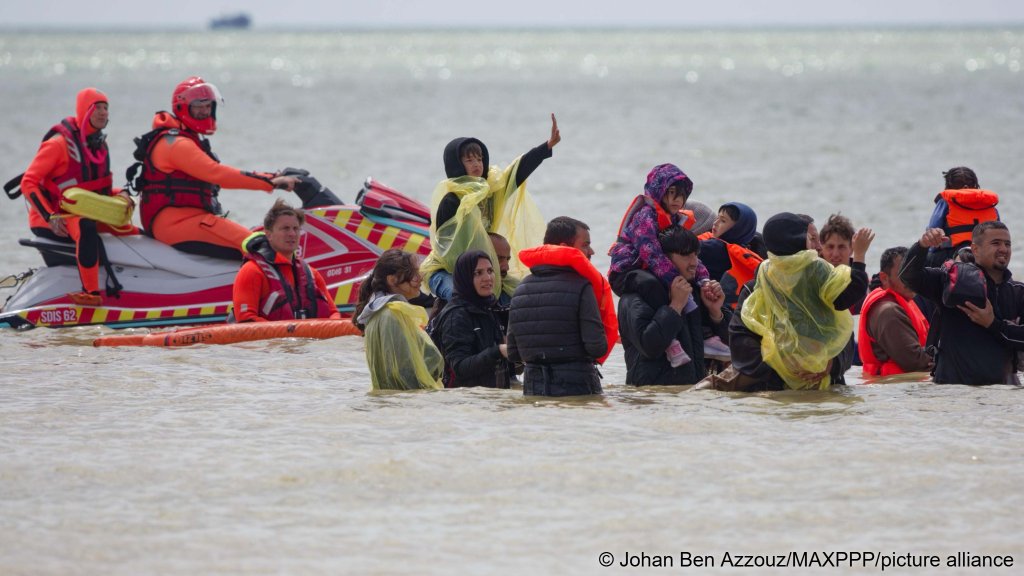
French authorities say they rescued 97 migrants from the English Channel on Tuesday (July 21) during two separate operations off the coast of the northern French department of Pas-de-Calais.
That's according to a press release published Wednesday (July 22) by the Maritime Prefecture of the Channel and the North Sea, the French authority responsible for directing state actions and coordinating maritime safety in the area.
In the morning, a vessel in the Le Touquet area suffered engine failure, prompting a rescue operation involving two vessels. All 88 individuals on board were brought to safety and disembarked at the port of Boulogne-sur-Mer, according to the prefecture, where two people received medical attention for injuries.
Later that afternoon, according to the press release, a second operation occurred in the Mont Saint-Frieux area following a chaotic embarkation. After six people fell into the water, they were rescued by the crew of a patrol boat; three additional individuals later accepted assistance during the crossing. All nine were subsequently disembarked at Boulogne-sur-Mer.
In the press release, authorities claim that migrants often refuse assistance in an attempt to reach the UK, accepting help only during extreme emergencies to avoid potentially hazardous interventions on overcrowded boats.
The text also warns that the Channel remains a highly dangerous crossing, characterized by unpredictable weather and strong currents.
Arrivals in Britain
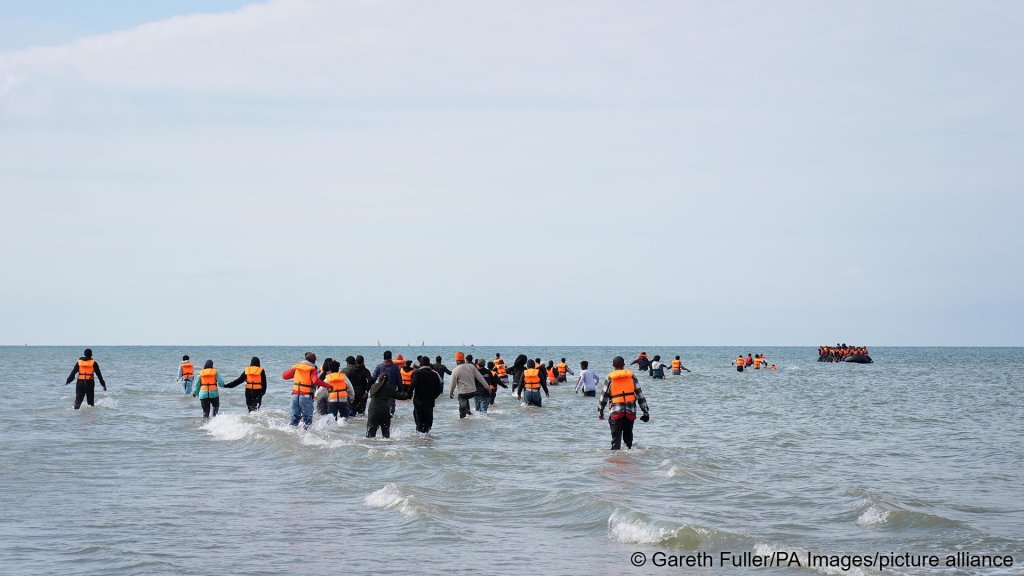
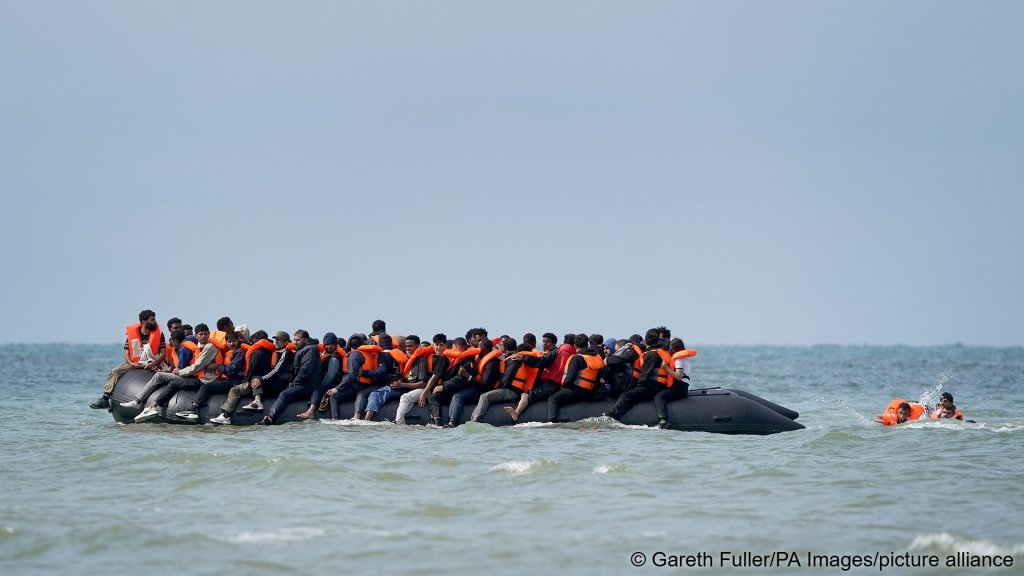
Separately, 172 migrants on Wednesday successfully crossed the Channel and reached the UK in three different vessels, according to British government Home Office data last updated on Thursday (July 23). The arrivals were registered after eleven days with no such crossings.
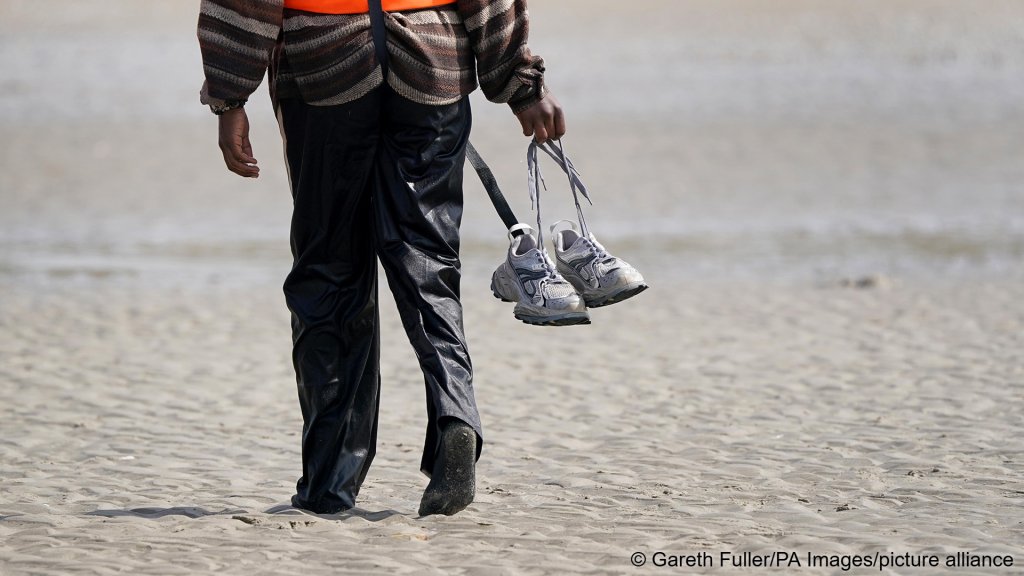
Dozens of people were left behind, unable to make it onto the overcrowded dinghies during the dangerous departure.
Far fewer migrants have landed in England after setting off in small boats across the Channel this year, with less than 13,000 people arriving since January 1, compared to nearly twice as many during the same period last year.
July 10 saw the largest-ever known number of people to make the dangerous crossing in a single vessel, when a small boat with 128 people on board reached Britain from across the English Channel, InfoMigrants reported last week.
On June 20, a migrant was pronounced dead after attempting to cross the Channel. Last year, at least 29 people are thought to have died trying to cross the waterway in various ways.
Read AlsoUK: High Court deals setback to UK-France 'one-in, one-out' migrant deal
Are the new schemes now proving their worth?
In late April, France and the UK renewed a three-year deal designed to stop migrants from crossing the English Channel irregularly.
The deal worth 766 million euros in funding will see France pledging to, among other things, increase border patrols on its shores by more than half, with the aim to deploy 1,400 officers to French beaches by 2029. The deal was first signed in 2018, and then extended in 2023.
The UK was previously pressuring France to change its policies so that police would be able to intercept so-called taxi boats, even once they had launched, however, intervening once a boat is at sea is still seen as posing difficulties and dangers to both the migrants and police or emergency service personnel.
Rights groups have moreover criticized the deal, saying it creates incentives for using more violent methods to stop migrants from reaching the UK.
Last month, the United Kingdom and France also extended the "one-in, one-out" pilot scheme to combat irregular migration until October 1.
The scheme, which came into force in last summer and got underway in September 2025, is designed to facilitate the deportation of certain migrants with no legal perspective of staying in the UK back to France -- if it is proven that they had reached the UK from French soil using irregular means of travel.
In return for each such deportation, Britain has to accept one foreign national from France, who is likely to be granted asylum in the UK (for reasons such as having family ties there), as per the terms of the deal.
The first month of the "one-in, one-out" scheme saw zero returns, InfoMigrants reported last week. Between August 2025 and June 2026, moreover, more asylum seekers arrived in Britain from France than were sent back under the scheme, British Home Office data, from July 16 shows.
Read AlsoUK immigration falls sharply, but the perception that it is increasing is still widespread
New prime minister to continue migration strategy
Britain's new prime minister Andy Burnham, meanwhile, did not mention immigration in his first speech, despite it being a top issue for many British voters.
Public anxiety over the arrivals of migrants crossing the English Channel in makeshift inflatable boats played a significant role in recent electoral gains for the anti-immigration Reform UK party, a political shift that contributed to the Labour Party's decision to replace former Prime Minister Sir Keir Starmer with Andy Burnham.
Prime Minister Burnham has signaled that he will continue the existing Labour migration strategy, which claims to have successfully reduced net migration from over 900,000 in 2023 to 171,000 the following year. In a further signal, he kept current Home Office Minister Shabana Mahmood in her post, she also held that office under Keir Starmer's government.
While the number of Channel crossings has declined by 40 percent this year compared to the same period in 2025, Burnham intends to further decrease net migration, having previously backed legislation aimed at reducing boat crossings and promoting alternative, legal pathways.
In one of his first moves, Burnham will scrap a nationwide digital ID scheme, news agency AFP reported last week citing a spokesperson. Labour Prime Minister Keir Starmer, who stepped down on Monday, announced the plan in September as a way to make it more difficult for migrants to work in Britain without documents. The policy however was not popular in all parts of British society, despite ID cards being a necessary document in most EU countries.
with dpa, AFP