
UN experts have added their voice to allegations made by 46 rights groups last week, calling out a system of arbitrary detention, beatings and trafficking along Tunisia's border with Libya, urging Brussels to suspend EU-funded migration support.
The UN has added its voice to the call from dozens of human rights organizations, urging the European Union to suspend migration support to Tunisia under a three-year-old deal they say is fueling serious abuses.
The appeals come as the EU faces renewed scrutiny over its external migration partnerships in North Africa, with rights groups and UN experts documenting a pattern of violence, unlawful detention and collective expulsions allegedly involving Tunisian security forces that receive EU funding and training.
Read AlsoMore deaths, fewer arrivals: Migration to Europe is becoming increasingly lethal
Third anniversary of migration deal sparks fresh criticism
On July 16, 46 human rights and humanitarian groups, including Amnesty International and Human Rights Watch (HRW), released a joint statement marking the third anniversary of the EU-Tunisia Memorandum of Understanding signed on that day in 2023. The deal committed the EU to provide 105 million euros for border management and maritime operations, with at least 65 million euros already contracted to train and equip the Tunisian Coast Guard and Maritime Rescue Coordination Center.
"The agreement has not only failed to guarantee respect for refugees' and migrants' rights, it has fueled and normalized serious human rights violations," the groups said, urging the European Commission and member states to "immediately suspend border and migration control support to Tunisia, notably to Tunisian security forces responsible for serious human rights violations."
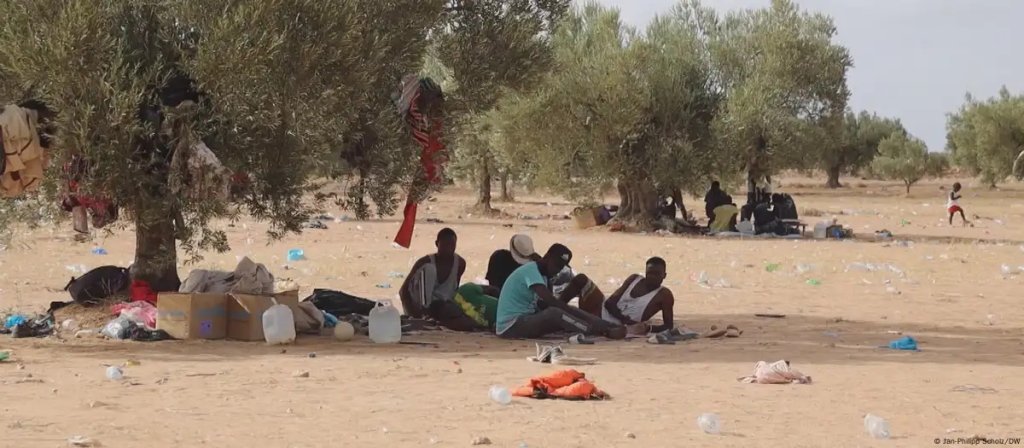
Rights monitors and UN bodies have documented reckless and violent interceptions at sea, detention without due process, torture and other ill-treatment, including sexual abuse, and collective expulsions to neighboring countries since the deal was signed. Testimonies suggest that many of those expelled have reportedly been left in desert areas without adequate food or water, while others have been trafficked across the border into Libya.
Read AlsoNGOs criticize EU-Tunisia migration deal on third anniversary of its signing
UN experts warn of systemic abuse
In a separate statement on July 16, 14 UN human rights experts expressed "serious concern" about reports that more than 7,400 migrants, refugees and asylum seekers had been subjected to arbitrary detention, collective expulsion and trafficking on the Tunisia-Libya border and inside Libya since at least June 2023.
"We are deeply alarmed by information received describing a system of arbitrary detention, abuse, collective expulsions and trafficking of migrants, refugees and asylum seekers from Tunisia to Libya, with the involvement of Tunisian security forces," the experts said.
Testimonies describe detainees being "beaten and abused by uniformed personnel using tasers, iron bars, dogs, and threats of gunfire" to intimidate and punish them, they added, noting that women have reportedly been raped and men severely assaulted. The 14 experts act under a mandate from the United Nations Human Rights Council but do not speak for the organization.
Legal aid groups say situation 'deteriorating'
Legal aid groups say the situation has deteriorated since President Saïed’s 2021 power grab and a 2022-23 presidential discourse portraying migration as a "criminal plan to change the demographic composition of Tunisia."
Emma Cabrol, Euro-Mediterranean regional director at Avocats Sans Frontières (Lawyers without Borders), said legal assistance mechanisms had seen a sharp increase in requests from migrants and asylum seekers arrested during large-scale operations, forcibly evicted or facing obstacles to protection.
Tunisian authorities have also intensified a broader crackdown on dissent, targeting political opponents, journalists, lawyers and civil society organizations through arbitrary arrests, detention and criminal investigations, rights groups say. Nevertheless, in February 2026, the EU added Tunisia to a list of "safe countries of origin," a move critics argue contradicts evidence that Tunisia should not be considered a place of safety under maritime law.
Rights monitors say the same security forces receiving EU border funding are central to President Saïed’s tightening grip on power. Since consolidating authority in 2021, his government has overseen mass trials of opponents and has restricted civil society and independent media. The EU’s migration partnership, they argue, effectively subsidizes institutions that enforce both migration control and political repression, raising questions about Brussels' willingness to prioritize border containment over democratic safeguards in Tunisia.
The European Ombudsman has urged the Commission to publish clear criteria for suspending EU funds in cases of human rights violations, but no such public framework has been adopted; after an October 2024 inquiry, officials said they would consider monitoring improvements, yet rights groups say suspension criteria remain unpublished as of mid‑2026.
Read AlsoTunisia: Amnesty flags 'horrific' abuses against migrants
Commission defends cooperation, cites monitoring
In an email to InfoMigrants last week, a European Commission spokesperson emphasized that the institution "takes allegations of mistreatment and violation of human rights seriously," adding that safeguarding protection for those in need and ensuring respect for the human rights of migrants, refugees and asylum seekers, including the principle of non-refoulement, are "fundamental principles of our work."
"In Tunisia, our support remains multifaceted, addressing various aspects including border management, migrant smuggling, protection, legal migration, assisted voluntary returns and sustainable reintegration," the spokesperson said. The EU and Tunisia cooperate on migration and mobility "based on the respect for human rights of migrants and refugees, in accordance with obligations under international law," they added.
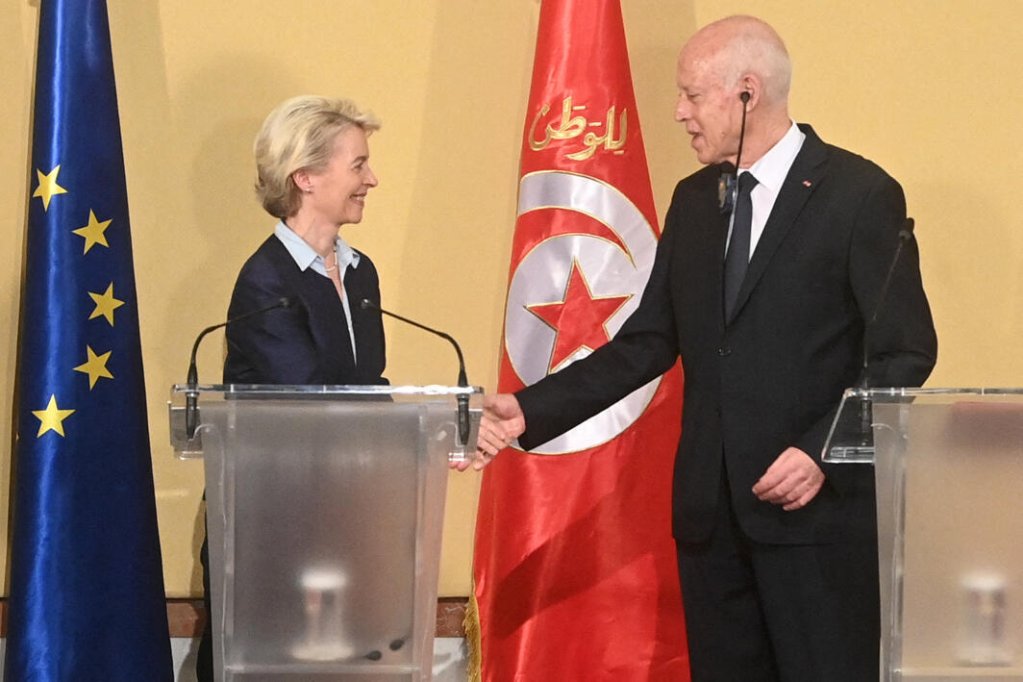
The Commission said it monitors programs through regular reports from implementing partners, on-the-spot verification missions, results-oriented monitoring exercises and independent evaluations, and maintains a continuous dialogue with civil society. "In this context, the Commission will meet with organizations concerned to discuss the issues raised," the spokesperson told InfoMigrants.
Read AlsoEU migrant 'return hubs' – explained
Saïed reappears amid power and water crisis
In Tunis, President Saïed made his first public appearance since July 8, returning on July 18 after a 10 day absence, visiting the Ghedir El Golla water complex in Ariana, north of the capital. The visit ended days of speculation over his health after Italian media reported he had undergone emergency surgery, claims never confirmed by Tunisian authorities.
Saïed criticized repeated electricity and water cuts amid a prolonged heatwave, with temperatures 8-13 degrees Celsius above seasonal averages. In some parts of North Africa, it was reported that temperatures would rise up to and over 50 degrees Celsius. "This is not normal," he said of the outages. "It happens in many countries, but only for a limited period," adding that the simultaneous recurrence of power cuts across several regions raised questions, according to reports by The Arab Weekly. "Anyone who has failed in their responsibilities will bear the consequences," he said.
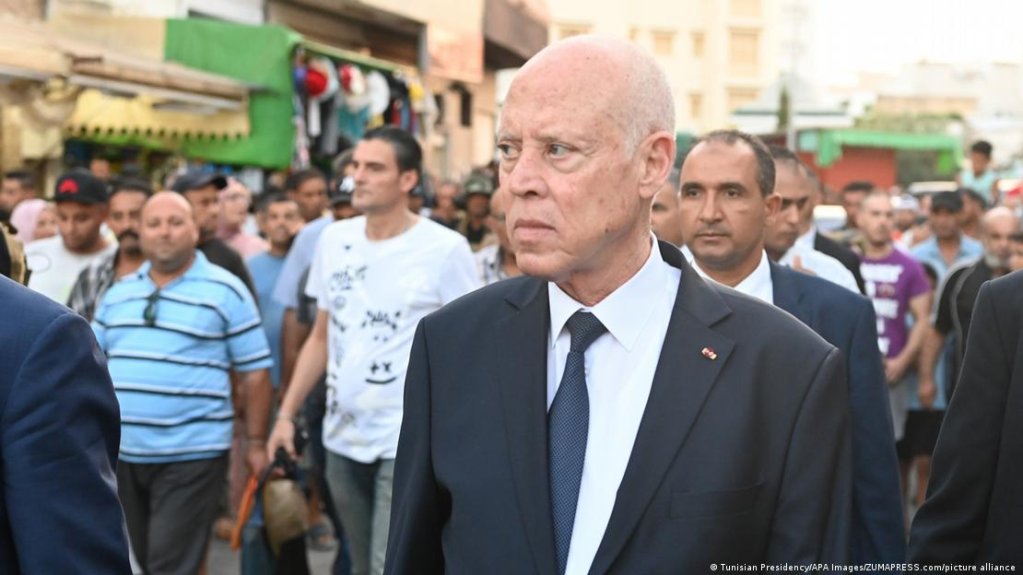
The state electricity and gas utility, STEG, had announced rolling blackouts to prevent grid collapse, publishing daily schedules of affected areas. Residents, however, reported unscheduled outages lasting several hours, disrupting businesses, damaging refrigerated food stocks and leaving households without air conditioning -- and in some cases running water -- during peak heat. The outages have compounded water supply problems, as electricity cuts disrupt pumping stations while aging networks and years of drought weigh on infrastructure.
Saïed instructed officials to resolve operational shortcomings at Ghedir El Golla "as soon as possible" and called for stronger coordination between the facility and regional water authorities, according to The Arab Weekly. He later inspected a flood protection project along the Medjerda River and restoration works on a 17th-century bridge, condemning decades of neglect and alleged trafficking of historical sites. "Our history is not for sale," he said.
Read AlsoEU reported to be considering 12 possible countries to site migrant 'return hubs'
Arrivals fall but rights concerns persist
Despite the rights allegations, irregular departures from Tunisia have declined since 2023.
IOM’s Displacement Tracking Matrix estimated 936,134 migrants in Libya in January - February 2026, with the vast majority from North Africa (56 percent) and West Africa (28 percent). Italian Interior Ministry figures show 1,813 arrivals to Italy by sea from January 1 to February 9 2026, down 56 percent from the same period in 2025; of these, 1,386 departed from Libya and 221 from Tunisia.
A February 2026 UN report covering 2024-2025 documented killings, torture, sexual violence and trafficking inside Libya, often in facilities linked to armed networks with ties to officials, and called for an end to interceptions and returns to Libya until robust safeguards are in place. Amnesty and Human Rights Watch (HRW) have accused the EU of complicity for financing and training the Libyan Coast Guard and expanding cooperation with rival eastern and western authorities despite mass arrests and expulsions.
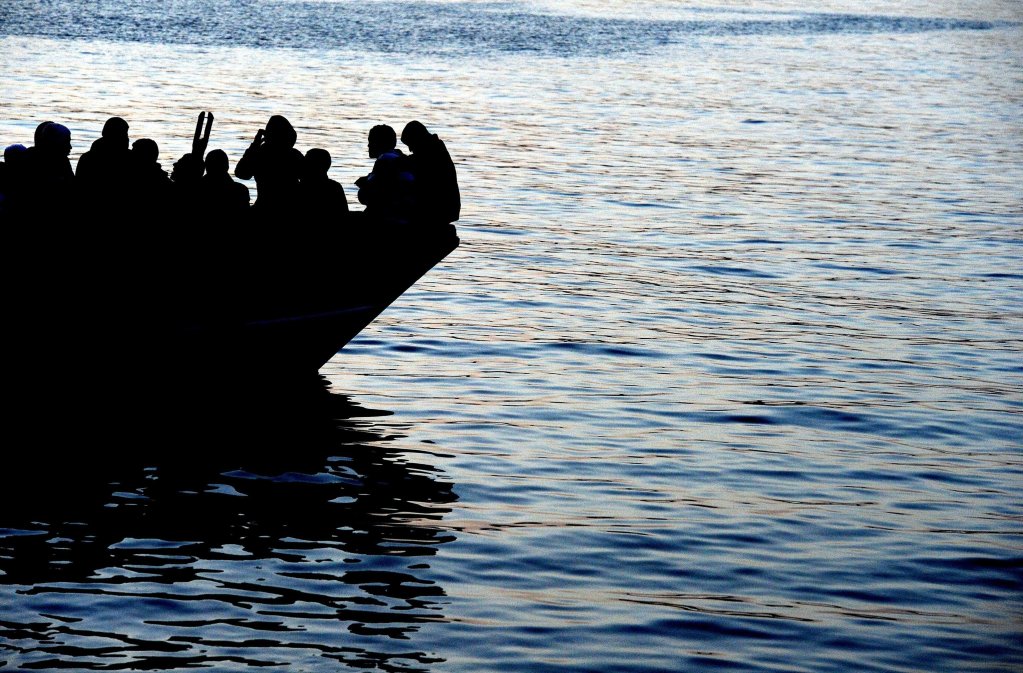
Rights groups argue that reduced departures do not justify continued funding without effective safeguards. "The EU cannot pretend to champion human rights while deepening cooperation with Tunisian authorities responsible for crushing dissent and abusing migrants," Friederike Mager, senior coordinator for EU advocacy at HRW said in a statement. "Three years after its flawed deal with Tunisia, the EU should speak up against violations and put human rights -- not migration control -- at the center of its engagement, with clear benchmarks and real consequences if abuses continue," she added.
Last week, the European Commission spokesperson underlined: "Improving the situation on the ground [in Tunisia] requires establishing a more structured dialogue with partner authorities and increased space for discussions with the aim of establishing a comprehensive rights-based migration management system."
Read AlsoWhy the Mediterranean route is becoming more deadly for migrants
With AFP and Reuters