
At least 144 people have been reported dead or missing off Mauritania after two boats bound for the Canary Islands ran into difficulty in the Atlantic, according to UNHCR. The incidents come as Germany deepens cooperation with Mauritania on migration, security and development
More than 200 migrants have been rescued off the coast of Mauritania in recent days, while 144 others have been reported dead or missing after two boats headed for the Canary Islands got into difficulty in the Atlantic, the UN refugee agency (UNHCR) said on Tuesday (July 21). The latest toll underlines once again how deadly the route from West Africa to Spain’s Atlantic archipelago has become.
The first rescue operation began after Mauritanian authorities received an alert from a boat carrying around 160 people that had set out from Bufaloto, in Gambia. The vessel reportedly suffered a technical failure and ran out of fuel, drifting at sea for around 25 days before entering Mauritanian waters, where rescue teams recovered 37 survivors and at least one body from the boat when it was brought ashore on July 18, stated the UN refugee agency in a press release.
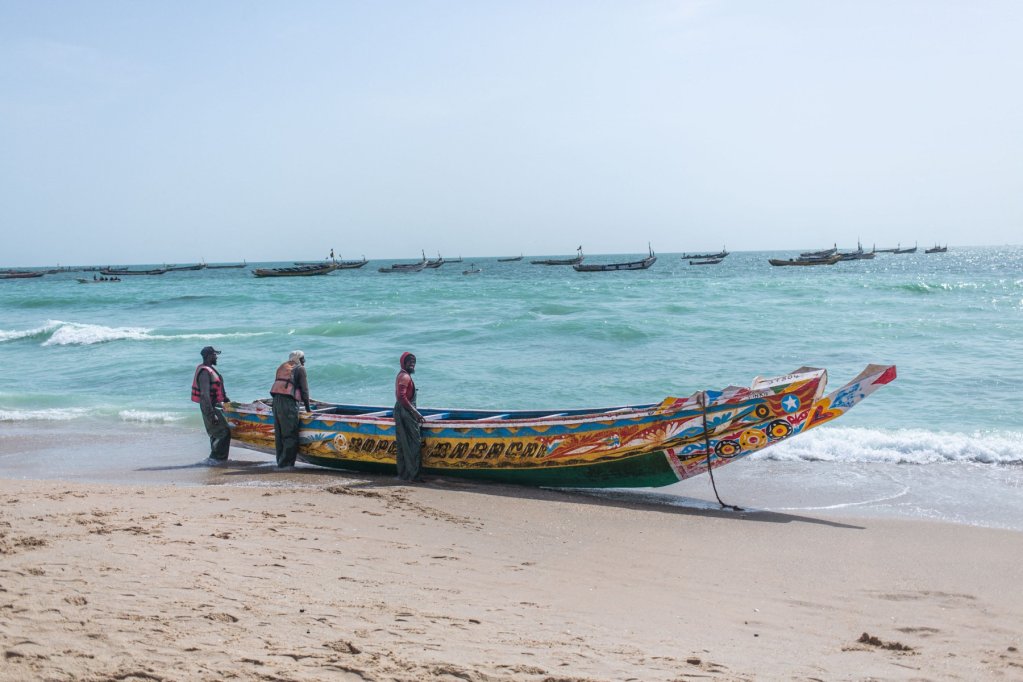
Among the survivors were two children who had lost all their family members during the journey and are recovering in hospital, UNHCR spokesperson Matt Saltmarsh said in Geneva. Another person was found dead on arrival on a separate boat that disembarked in Mauritania on July 14.
A second rescue operation on Saturday brought another 179 people to safety, bringing the total number of survivors from the three operations between July 14 and 18 to 387, the agency said. So far this year, Mauritania has recorded 17 disembarkations in Nouadhibou and Nouakchott, with 2,147 people rescued in total.
Read AlsoCanary Islands: Hundreds of migrants rescued over last few days
Rising deaths on Atlantic route
The UN refugee agency said the tragedy is part of a wider pattern on the Atlantic route, where departures from West Africa to the Canary Islands continue despite the risks. UNHCR called for greater access to education and labor opportunities to offer alternatives to dangerous sea crossings, while warning that deaths and disappearances remain at alarming levels even though sea arrivals to Europe are down by more than a third compared with the same period in 2025.
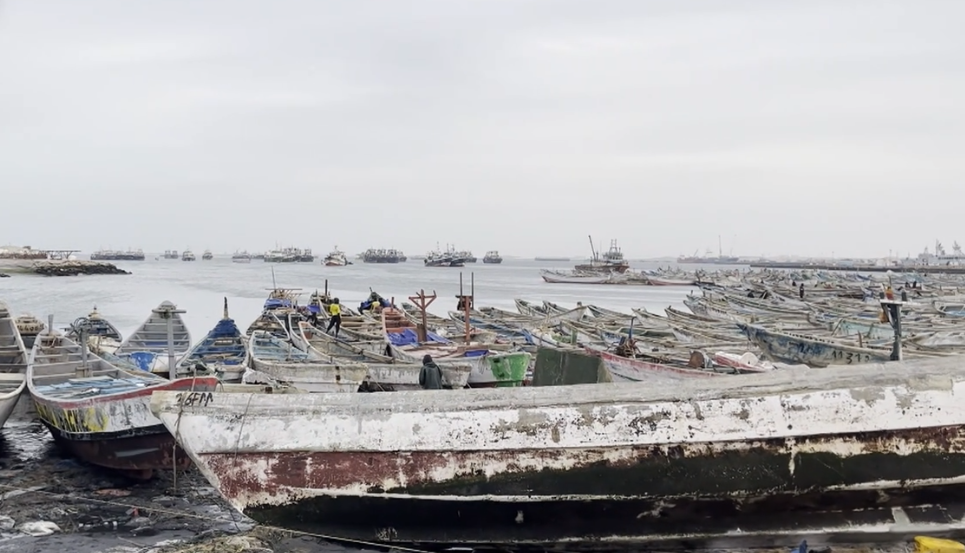
Mauritania has become one of the main departure and transit points on this route, and recent months have seen repeated interceptions of boats carrying hundreds of migrants. The country’s coast guard and fishing authorities have carried out multiple rescue operations as departures from West Africa continue to rise, driven by conflict, economic hardship and limited opportunities.
Many of those trying to reach the Canary Islands are fleeing violence and insecurity in Mali, where conflict involving jihadist groups, the military and Russian-backed forces has displaced large numbers of people and pushed many into neighboring Mauritania. Mauritania has taken in large numbers of Malian refugees, but it has also become a country where migrants can become stranded, as increased controls along the coast, as a result of agreements with Europe, have reduced departures while leaving many people with few safe or legal alternatives.
Read Also
More deaths, fewer arrivals: Migration to Europe is becoming increasingly lethal
Germany looks to Mauritania for 'migration control'
The latest migrant events come as Germany and Mauritania deepen cooperation on migration, security and development. German Foreign Minister Johann Wadephul visited Nouakchott this week to discuss political ties, economic cooperation and investment, while Berlin and Brussels continue to look to African partners to help manage irregular migration. Mauritania is also being presented as a relatively "stable partner" in a volatile Sahel region, giving the relationship added strategic weight.
Germany has said it sees room for closer cooperation in renewable energy, green hydrogen, infrastructure and trade, alongside migration and security. Wadephul also praised Mauritania’s role in regional security and its hosting of more than 300,000 refugees from neighboring Mali, and met representatives of UNODC to discuss efforts to prevent extremism and promote deradicalization.
For the Canary Islands, the latest rescues are another reminder of the pressure the Atlantic route places on Spain’s outermost territory. For Mauritania, they show how the country has become central to Europe’s migration response, even as the sea crossing continues to claim lives.
Read AlsoEU reported to be considering 12 possible countries to site migrant 'return hubs'
With dpa and Reuters