
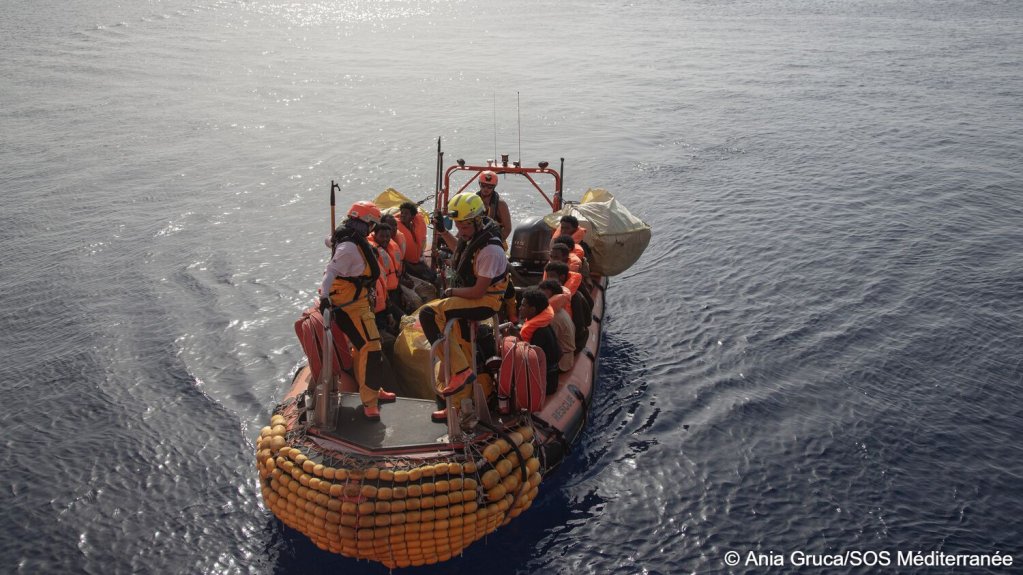
The crew of the Ocean Viking has rescued 38 migrants in the Tunisian search and rescue zone.
On Saturday (July 18) in the afternoon, the crew of the Ocean Viking, a ship operated by the humanitarian NGO SOS Mediterranée, spotted a makeshift iron boat in distress within the Tunisian search and rescue zone and immediately initiated an operation to bring the passengers on board.
Among the 38 survivors are 14 unaccompanied minors and eight women, at least six of whom are themselves minors, stated SOS Mediterranée in a press release. Most on board originate from conflict regions, including Eritrea, Somalia, and Sudan.
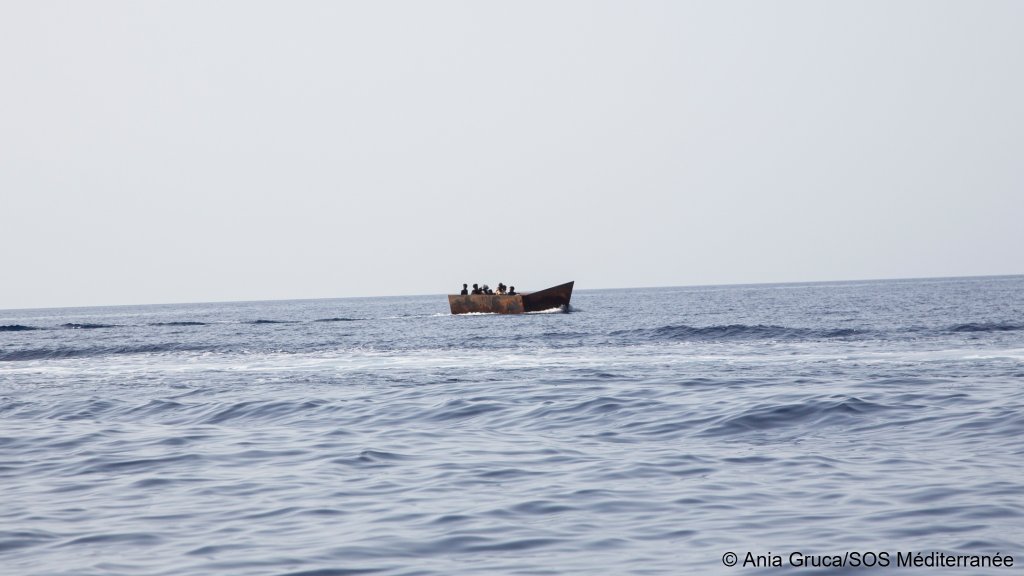
Physically, the survivors are reported to be in a stable condition, Ocean Viking stated in its press release, while stressing that the circumstances on board the vessel were life-threatening. Temperatures of up to 42 degrees Celsius led to severe dehydration. According to SOS Mediterranée, all survived largely due to the speed of the intervention.
Read AlsoAt least 50 migrants feared lost in Mediterranean, ten survive
Distant ports
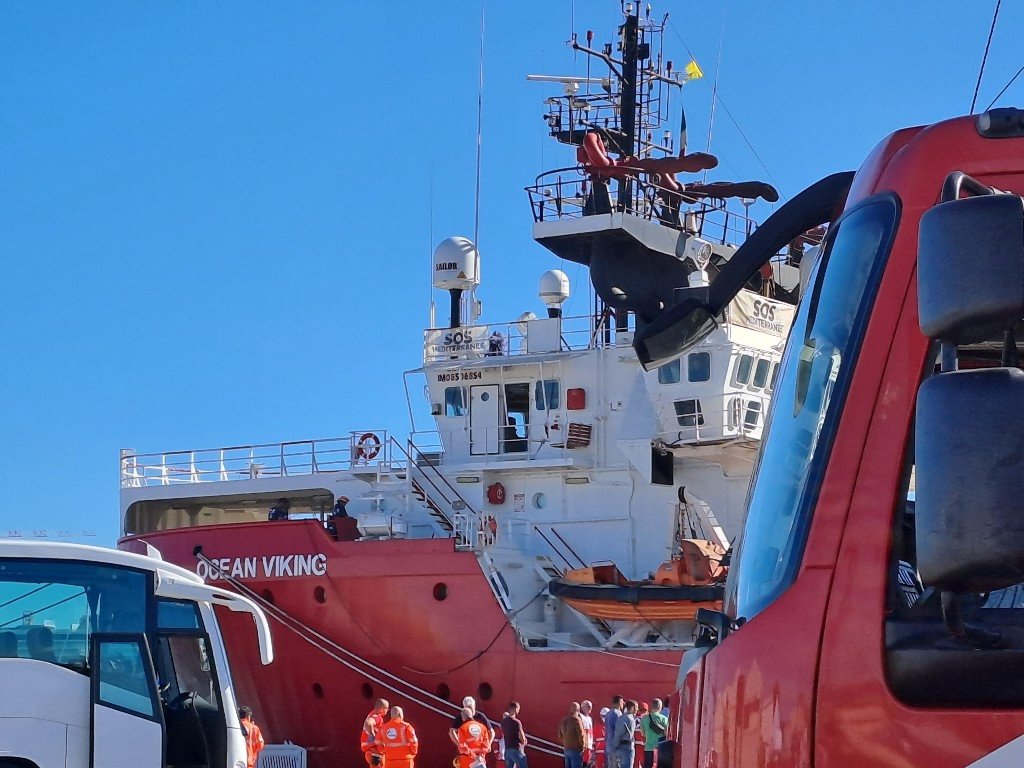
The ship's crew has been assigned the port of Civitavecchia by Italian authorities for disembarkation. This notes SOS Mediterranée will require a three-day journey to reach from where they were when they carried out the rescue. For the survivors, this means additional days at sea despite being in a precarious mental and physical state, while for the rescue organization, it means reduced operational capacity and fewer rescues.
The practice of assigning distant ports in Italy has drawn increasing criticism in recent years. Humanitarian organizations argue that it not only prolongs the suffering of those rescued but also systematically limits the effectiveness of civilian search and rescue operations. While vessels like the Ocean Viking spend days transporting migrants to designated ports, they are absent from the area where the next emergency may already be unfolding.
Read AlsoScores of people reach Spain's Canaries over weekend
Migration tops agenda for Ireland's EU presidency
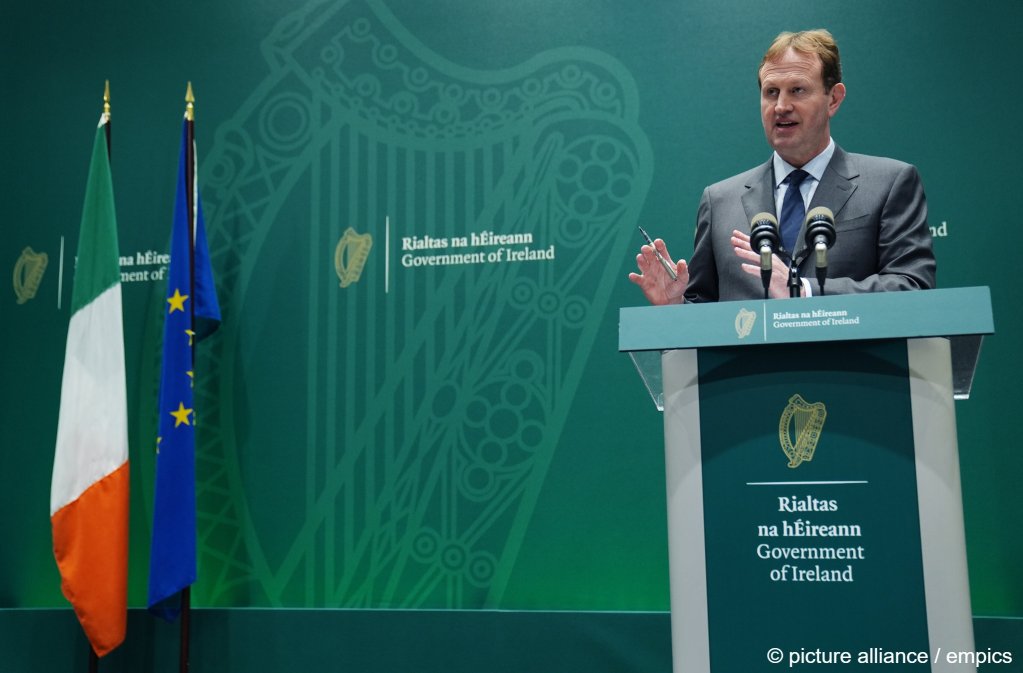
At the same time, discussions at EU level point in a different direction. Meeting in Dublin recently, under the Irish Presidency, EU Home Affairs ministers emphasized migration primarily through the lens of internal security --focusing on cooperation with third countries, restricting visa-free travel, and strengthening data-sharing to manage migration and combat organized crime.
Ministers also signaled support for expanding information exchange with "trusted" partner countries and advancing restrictive measures under the EU’s visa policy, reflecting a broader shift toward externalizing migration management and tightening control over entry to the bloc.
These priorities reflect growing concern over transnational threats, hybrid risks, and border security, but they also underscore a widening gap between frontline humanitarian realities in the Mediterranean, as reported by the NGOs which operate there, and the policy frameworks shaping the EU’s response.
Read AlsoMore deaths, fewer arrivals: Migration to Europe is becoming increasingly lethal
A fragmented system
The events of July 18, highlight a fundamental tension: while individual rescue missions focus on life-saving operations, the broader system remains fragmented and politicized. Responsibility for search and rescue in the central Mediterranean is divided among states, EU institutions, and non-state actors -- often without clear coordination or a shared strategy.
At the same time, rescue organizations are facing increasing legal and operational pressure. Italian authorities have recently launched a criminal investigation against the captain of the Sea-Watch 5 on suspicion of "aiding and abetting illegal entry," following multiple rescue operations in the central Mediterranean. The move comes amid a broader pattern of legal action targeting NGO vessels, many of which have ultimately been dismissed but nevertheless tie up resources and create uncertainty for crews.
These pressures unfold alongside a volatile operational environment. In recent weeks, Libyan authorities have reportedly threatened and even opened fire on rescue vessels operating in their declared search and rescue zone, raising further concerns about the safety of both migrants and humanitarian crews.
Taken together, such developments highlight the increasingly contested nature of civilian search and rescue. NGOs say they are filling gaps in state-led operations, but are also navigating legal risks, political scrutiny, and security threats at sea.
At the same time, the composition of those rescued -- particularly the high number of unaccompanied minors -- points to evolving migration dynamics. People seeking protection are increasingly taking greater risks, while legal pathways to Europe remain limited.
Read Also'Missing in the Mediterranean': Organization sounds alarm about missing migrants