
A new deal is set to extend temporary protection for Ukrainians to 2028, but requires new arrivals to prove they have fulfilled or been exempted from military service. Rights groups warn of the implications of selective protection criteria for asylum law.
The European Union has agreed to extend temporary protection for people fleeing Ukraine until March 2028, reaffirming a core pillar of its response to Russia’s full-scale invasion. Yet the latest decision introduces a politically sensitive shift: new restrictions targeting Ukrainian men of military age, reflecting both Kyiv’s evolving defense needs and growing unease within parts of the EU about the long-term sustainability of the protection regime.
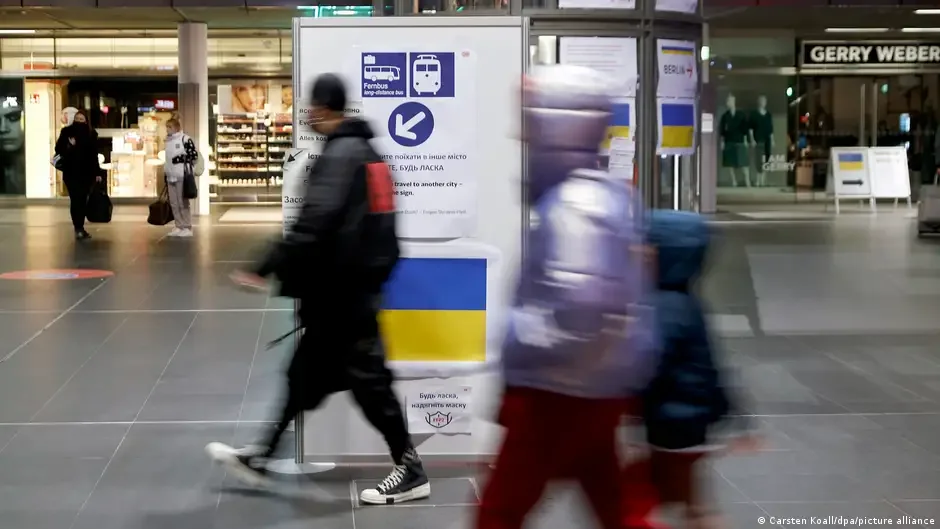
Under the agreement reached by member states in July 2026, temporary protection will in future be granted only to those Ukrainian nationals who can demonstrate compliance with their military obligations. In practice, this means that men of conscription age will need to provide evidence that they have either completed their service, been formally exempted, or were authorized to leave Ukraine. Acceptable documentation may include a passport bearing an official exit stamp or certification of exemption from military duty.
Read AlsoRefugees and migration: Is Europe closing its doors?
Changes target new arrivals
Crucially, the new rules apply only to individuals who arrive in the EU after the changes take effect. The more than 4.3 million people currently benefiting from temporary protection -- including an estimated 1.17 million adult men -- will not be affected.
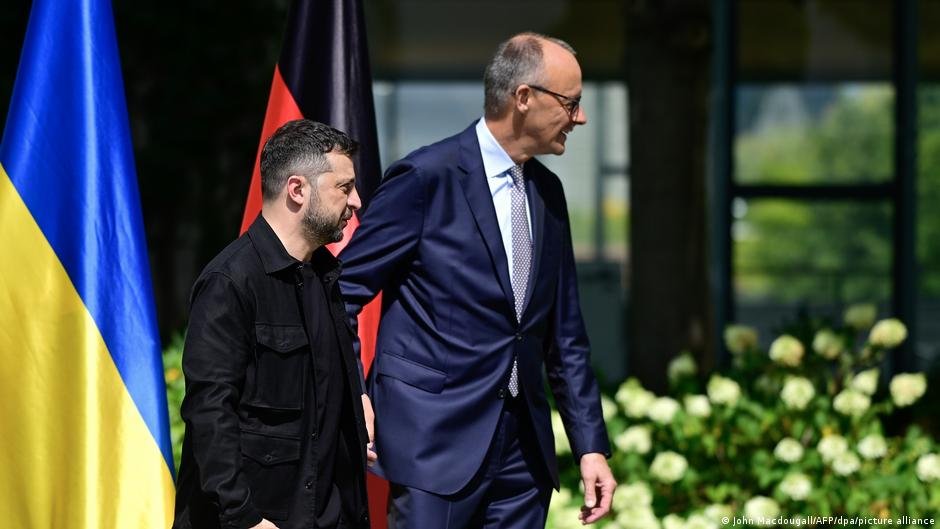
The move marks a notable recalibration of the EU’s temporary protection regime, which was first activated in March 2022 under the Mass Influx Directive. Designed as an emergency mechanism, the directive allows for the collective granting of protection without individual asylum assessments, offering swift access to residence, work, healthcare and education.
However, the reform has drawn sharp criticism from civil society organizations. The Platform for International Cooperation on Undocumented Migrants (PICUM) has warned that the proposal "risks leaving others behind" and has called on member states not to exclude individuals who cannot demonstrate authorization to leave Ukraine.
Read AlsoKharkiv holding out, welcoming refugees near Russian border
Irregular crossings and the push for tighter rules
Most Ukrainian men over 23 are barred from leaving the country under martial law as Kyiv mobilizes its military-age population. Yet some men of draft age have still reached the EU by crossing the border irregularly. Frontex data show almost 1,000 such crossings from Ukraine this year, after more than 10,000 in 2025.
While adult men account for about a quarter of Ukrainian refugees in Europe, there are no detailed figures on how many are of military age or arrived without authorization.
The new EU rules are explicitly designed to close this gap, conditioning temporary protection on proof that individuals left Ukraine legally or are exempt from military service.
Read AlsoPoland: Over one million migrants employed in 2025
What does this mean for temporary protection?
At the heart of the opposition to this move is a concern that the EU is departing from the original logic of temporary protection as a broad, collective instrument. PICUM argues that the exclusion of those subject to exit restrictions "represents a fundamental departure from the legal nature and spirit of the Temporary Protection Directive as a collective protection instrument," raising both legal and practical concerns.
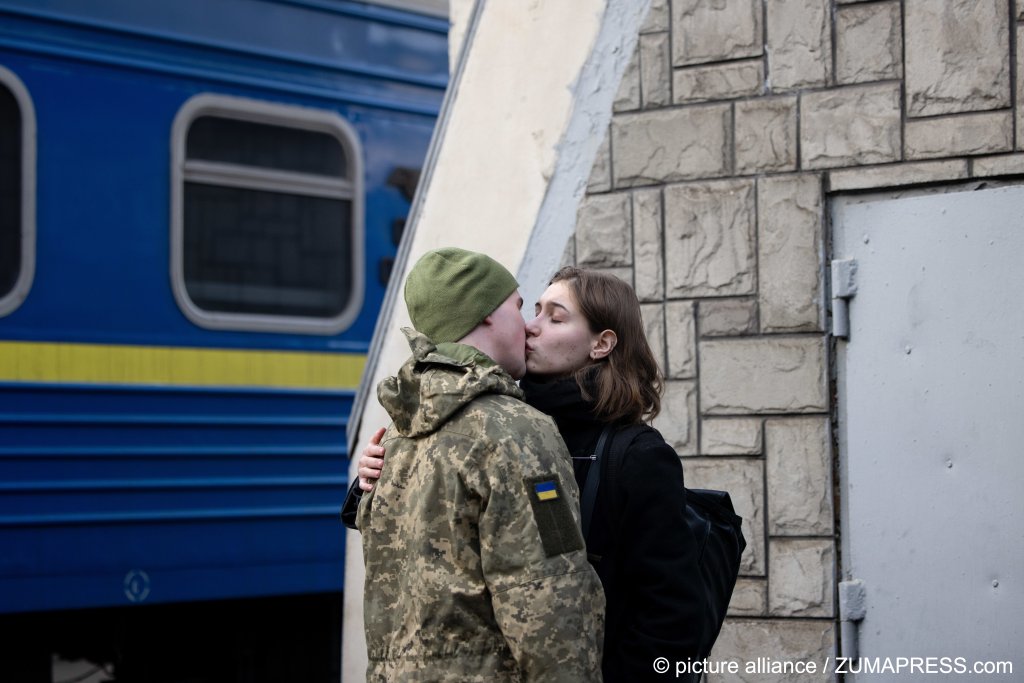
From a legal perspective, the organization questions whether the EU can introduce new exclusion criteria not provided in the directive itself. The Temporary Protection Directive contains an exhaustive list of grounds for exclusion, and "failure to comply with authorization to leave and/or military obligations are not among them." This, PICUM suggests, raises questions about the legal basis of the reform and whether it could withstand judicial scrutiny.
Read AlsoFinnish intelligence services unveil new technology ambitions for screening migrant arrivals
Discrimination and exclusion
Concerns about discrimination also feature prominently. Although framed in neutral administrative terms, the measure will "have a disproportionate impact on men of the age 23 to 60," effectively creating differentiated access to protection. For PICUM and other observers, this raises questions about compatibility with EU fundamental rights standards.
Beyond legality, the practical implementation of the new rules remains uncertain. The requirement to prove compliance with military obligations could create significant administrative hurdles. PICUM notes that the proposal "relies on documentation that is not currently available" and lacks clarity on how evidence will be verified in practice, particularly given the absence of fully operational digital systems and the variability of national procedures.
The organization also highlights broader systemic implications. Excluding certain groups from temporary protection could push more people into standard asylum procedures, increasing pressure on already strained national systems. At the same time, it warns that such measures could lead to greater irregularity: "The exclusion is likely to mean that certain groups -- mainly Ukrainian men -- fleeing in the future are more likely to become undocumented."
Read AlsoEU migration pact set to tighten border controls
Solidarity, exceptions and EU policy
For EU policymakers, the reform reflects an attempt to balance humanitarian protection with geopolitical realities. The European Commission has explicitly framed the change as part of supporting Ukraine’s ability to defend itself, aligning migration policy with wartime needs.
Yet critics argue that protection frameworks should remain grounded in individual protection needs rather than external policy considerations. As PICUM puts it, "eligibility for EU protection should primarily depend on protection needs rather than administrative rules governing exit from the country of origin."
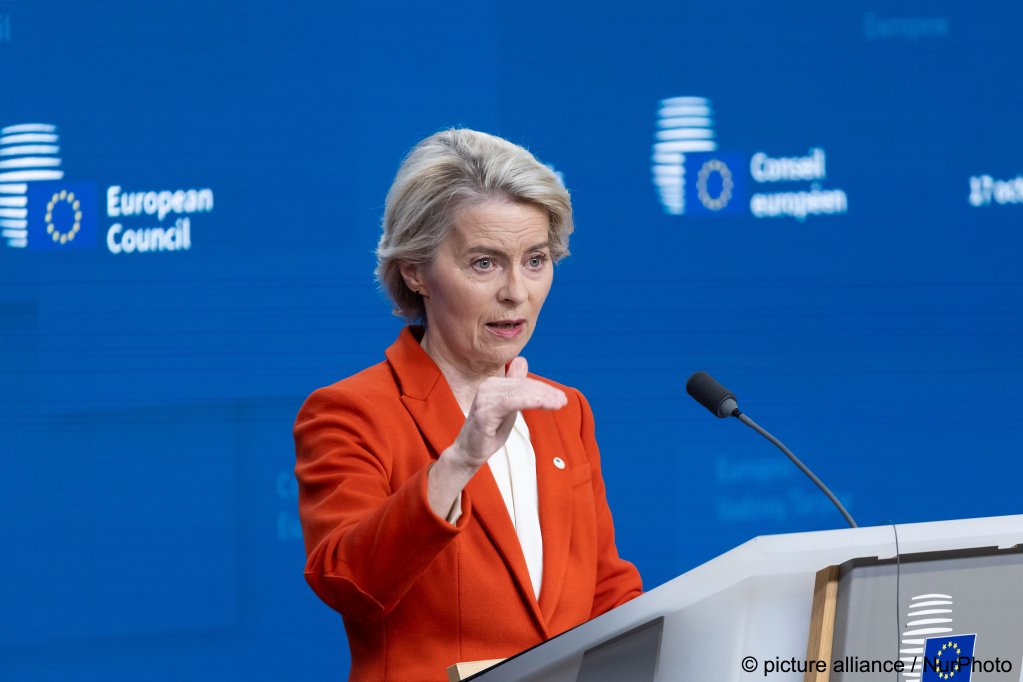
Despite these tensions, the extension of temporary protection until 2028 provides a measure of stability for millions of displaced Ukrainians who have built lives across the EU. At the same time, the introduction of new conditionality signals a shift toward a more restrictive and strategic approach.
As the EU prepares for a longer-term transition out of temporary protection, the debate is likely to intensify. The challenge will be whether the bloc can reconcile its commitment to solidarity with Ukraine with its legal obligations and the foundational principles of its asylum system -- without eroding a mechanism widely seen as one of its most effective responses to forced displacement.
Read AlsoEU Council gives final greenlight to new EU asylum measures