
Five people have been found dead and 14 remain missing after a group was reportedly stranded in the desert while attempting to reach Iran through an irregular border route in Nimruz province.
Five Afghan migrants have been found dead and 14 others remain missing after attempting to cross into Iran through a remote desert route in Nimruz province, highlighting the growing dangers facing Afghans amid worsening economic and humanitarian conditions.
According to local authorities, the group -- estimated at around 19 people -- became stranded in the Dasht-e Margo desert while traveling toward the Iranian border. Officials believe the migrants died from extreme heat, dehydration, and lack of water after losing their way in the vast and uninhabited terrain. Search operations are ongoing for the missing people, reported the English-language Azerbaijani-based News.az website and the Kabul Tribune.
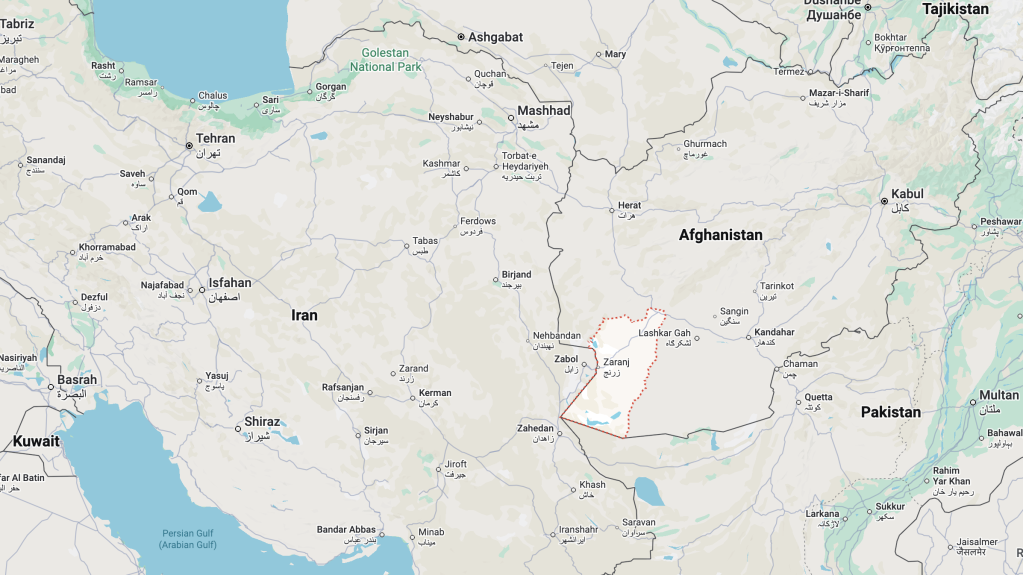
Reports from local officials, noted regional media sources as well as the Turkish-government news agency Anadolu, indicate the group’s vehicle broke down in the desert, leaving them exposed to harsh conditions. A dust storm is believed to have further disoriented the migrants, causing them to disperse in different directions in a desperate attempt to survive.
Read AlsoGermany: Is the government planning to deport Afghans who have not committed crimes?
Driven to risk
The tragedy comes at a time when increasing numbers of Afghans are risking dangerous journeys despite mounting instability in neighboring Iran.
In recent months, many Afghans have fled or been forcibly returned from Iran following the conflict and reports of worsening treatment of migrants. Hundreds of thousands are estimated to have returned in 2026 alone, often under pressure from authorities.
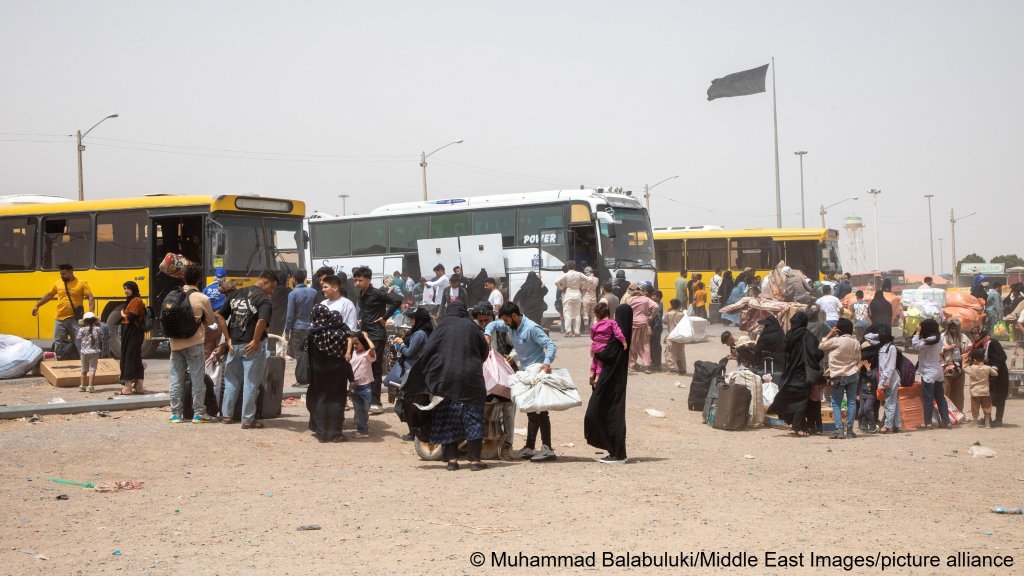
At the same time, economic desperation inside Afghanistan continues to push people to leave. Iran remains a key destination due to its proximity and demand for low-wage labor, particularly in construction and agriculture. It is also on the route towards Europe.
Read AlsoEU-Taliban talks spark debate over normalizing Taliban rule
Shrinking aid, rising need
Humanitarian conditions inside Afghanistan have sharply deteriorated, further pushing people to seek safety abroad.
The Norwegian Refugee Council (NRC) recently warned that Afghanistan has become one of the world’s most neglected crises, with aid funding falling to critically low levels. According to UN figures, only about 16 percent of the 1.71 billion US dollars required for humanitarian assistance in 2026 has been secured.
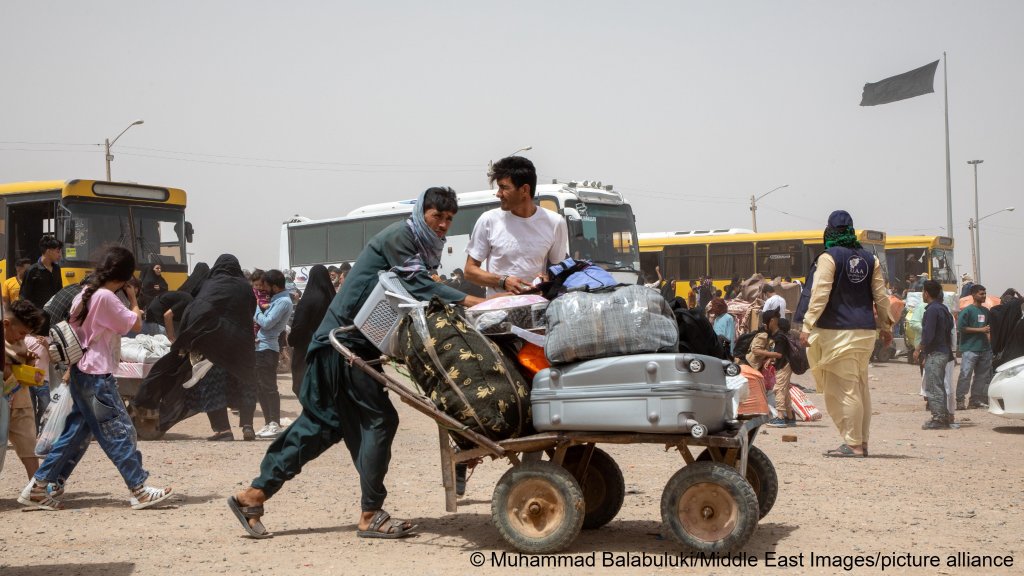
The decline is partly attributed to a significant reduction in US funding, which previously accounted for more than 40 percent of aid to Afghanistan. As a result, millions of Afghans are now facing reduced access to basic services, food, and livelihoods.
Compounding the crisis, large numbers of returnees from countries such as Iran and Pakistan are arriving in an economy that is unable to absorb them. Aid groups estimate that only a small fraction of returnees are able to find stable employment.
Read AlsoAid to Afghanistan drops to record low, as more people are forced to return
A deadly migration corridor
Despite the risks, many Afghans continue to rely on smugglers to guide them through remote desert routes spanning Nimruz and Helmand provinces.
These routes are among the most dangerous in the region. During summer, temperatures can reach extreme levels, and water sources are scarce. Migrants often travel for days with limited supplies, and any disruption -- such as a broken vehicle -- can quickly become fatal.
Smugglers increasingly favor isolated routes like the Dasht-e Margo to avoid border enforcement, even as the area gains a reputation as one of the deadliest migration corridors.
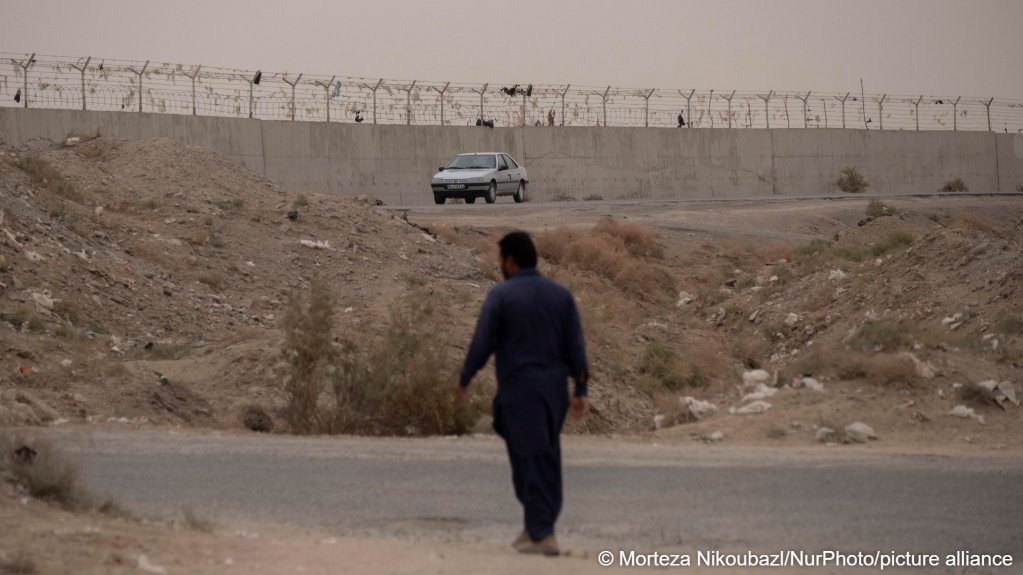
The deaths in Nimruz reflect a broader cycle of risk and desperation. Afghans are being pushed out by economic hardship and shrinking aid at home, while facing insecurity, deportation, and discrimination abroad.
Humanitarian organizations warn that without increased international support and safer migration pathways, such tragedies are likely to continue.
As search teams continue to comb the desert for the missing 14 migrants, the incident stands as a stark reminder of the human cost of a crisis that is deepening both inside Afghanistan and beyond its borders.
Read AlsoAfghan refugees and Iran's poorest bear the brunt of war