
Germany and Austria want to encourage the voluntary return of Syrian asylum seekers and refugees. Thousands of Syrians have returned home since the fall of the Assad regime in 2024. However, rebuilding infrastructure and essential services after more than a decade of war are making "home" a precarious place.
Germany and Austria want to encourage the voluntary return of Syrian asylum seekers and refugees, through a combination of voluntary returns, forced returns and the possibility of remaining for well-integrated people from Syria, the German news agency dpa reported.
The announcement came on Wednesday, July 14, after talks in Berlin between German Interior Minister Alexander Dobrindt and Austria's Interior Minister Gerhard Karner.
Deportations from Germany to Syria had been suspended due to the precarious situation in Syria since the outbreak of the civil war in 2012.
Financial incentives to return -- Germany
The conflict that raged for 13 years in Syria forced millions to flee, seeking safety in neighboring countries and in the European Union. Almost one million Syrians live in Germany, making them one of the largest groups of migrants.
In 2025, Syrian was the main nationality of asylum seekers in six EU countries -- namely Austria, Netherlands, Cyprus, Malta, Romania, Hungary --, according to numbers collated by Eurostat, the European Union’s statistical office. The largest numbers of Syrians and Afghans were registered in Germany (58 percent and 38 percent, respectively). Last year, 23,255 first time asylum applications from Syrian nationals were lodged.
Following the end of the civil war with the ouster of long-term strongman Bashar al-Assad, Germany re-introduced subsidized voluntary departures to Syria as part of the humanitarian support REAG-GARP program (Reintegration and Emigration Programme for Asylum-Seekers in Germany/Government Assisted Repatriation Programme) in January 2025.
The program support includes the cost of the flights, 200 euros travel allowance, and 1,000 euros for start-up assistance per adult and 500 euros for minors. Other costs that can potentially be covered include medical support.
Government data indicate that of all REAG-GARP voluntary return applications submitted in 2025, a total of 5,976 assisted voluntary return cases came from applicants wishing to return to Syria. Of that number, 3,678 had been fully processed and had resulted in people leaving for Syria by the end of 2025.
Syrians made up the second-largest single group of people seeking to leave Germany with the help of REAG-GARP government assistance. Turkish nationals topped the number of people wanting to return to their country of origin.
German Chancellor Friedrich Merz reportedly invited the Syrian interim President Ahmed al-Sharaa to Germany in November to discuss returns and deportation.
Read AlsoGermany: Chancellor Merz attracts sharp criticism over '80 percent Syria returns' comment
Financial incentives to return - Austria
In Austria, 2025 government statistics indicate that of the total 16,668 asylum applications filed, 4,481 were from Syrian nationals. The group is ranked having as the second highest number of asylum applications following Afghanistan, which ranked first.
Return counseling and financial support upon departure of up to 3,000 euros, reintegration support and long-term assistance to aid resettling are also included. Options that are part of this include funds to start a small business, legal and administrative consultancy services.
Read AlsoAustrian court convicts 2 former Syrian officials of abuse
Precarious and fragile return
The 2026 report by the International Rescue Committee, Home but Not Whole, highlights that while many Syrians have returned following the end of the Assad regime, many of the returns were not voluntary but driven by factors that included deteriorating conditions in host countries.
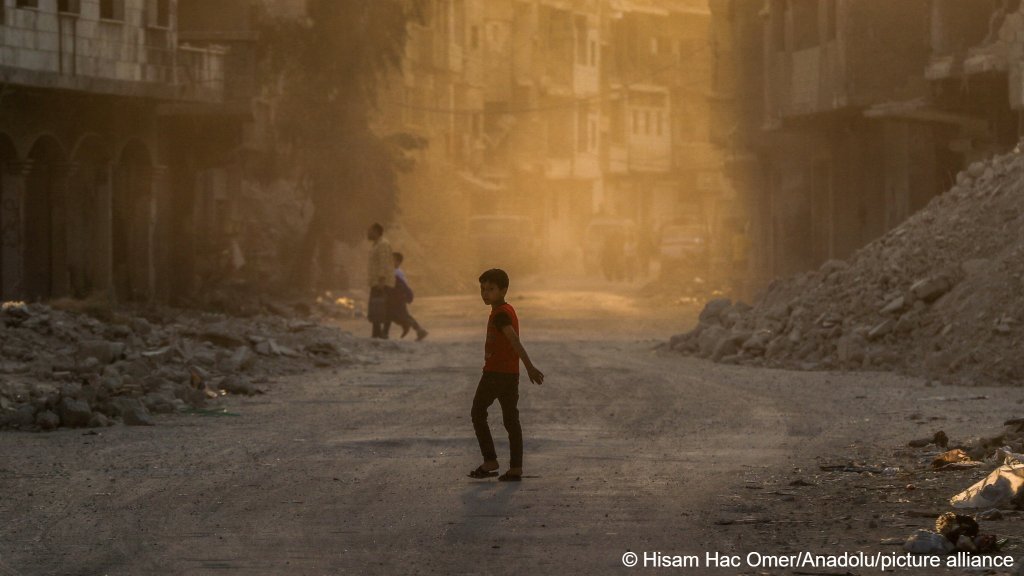
However, more concerning is what Syrians will return to in a homeland ravaged by more than a decade of war. The IRC reported that 91 percent of returnees arrived in communities where essential services were missing, while 71 percent identified insufficient services for all community members as the main barrier to reintegration. In terms of housing conditions, over two thirds of returnees are living in damaged or unsafe structures, often with little or no support for reconstruction. Only 18 percent reported receiving adequate assistance during their journey, and nearly half said conditions upon arrival were worse than expected. The rate of returns is outpacing the capacity of recovery systems.
The IRC warned that the dire state of infrastructure and essential services is not only a humanitarian concern but a potential flashpoint for tension. The precarity of the situation can fuel competition over scarce resources and weaken social cohesion, making the return less sustainable rather than more.