
Spain's development agency AECID has allocated nearly 500,000 euros to a Moroccan family planning NGO for a project aimed at improving migrants' access to sexual and reproductive healthcare. Morocco is listed as one of Spain's priority countries in the Spanish Cooperation Master Plan for 2024 to 2027.
The Spanish government will support access to sexual and reproductive health care for migrants in Morocco through a funding of 500,000 euros administered by its international development agency, Agencia Española de Cooperación Internacional para el Desarrollo or AECID, which manages Spain's development cooperation, humanitarian aid, and cultural cooperation programs.
Local news outlets reported that the designated recipient of the grant is the Moroccan Association for Family Planning NGO, known by its French acronym AMPF. The AMPF is a member of the International Planned Parenthood Federation. According to its website, the AMPF has 27 service delivery centers in the country and already runs programs serving migrants moving through Morocco.
The project’s stated purpose is to strengthen migrant access to sexual and reproductive healthcare in Morocco.
Country priority
Morocco is identified as one of Spain's priority partner countries under the 2024-2027 Master Plan for Spanish Cooperation for Sustainable Development and Global Solidarity. Through cooperation with various development actors, the AECID in Morocco, based in Rabat, works to promote the attainment of the Sustainable Development Goals in Morocco.
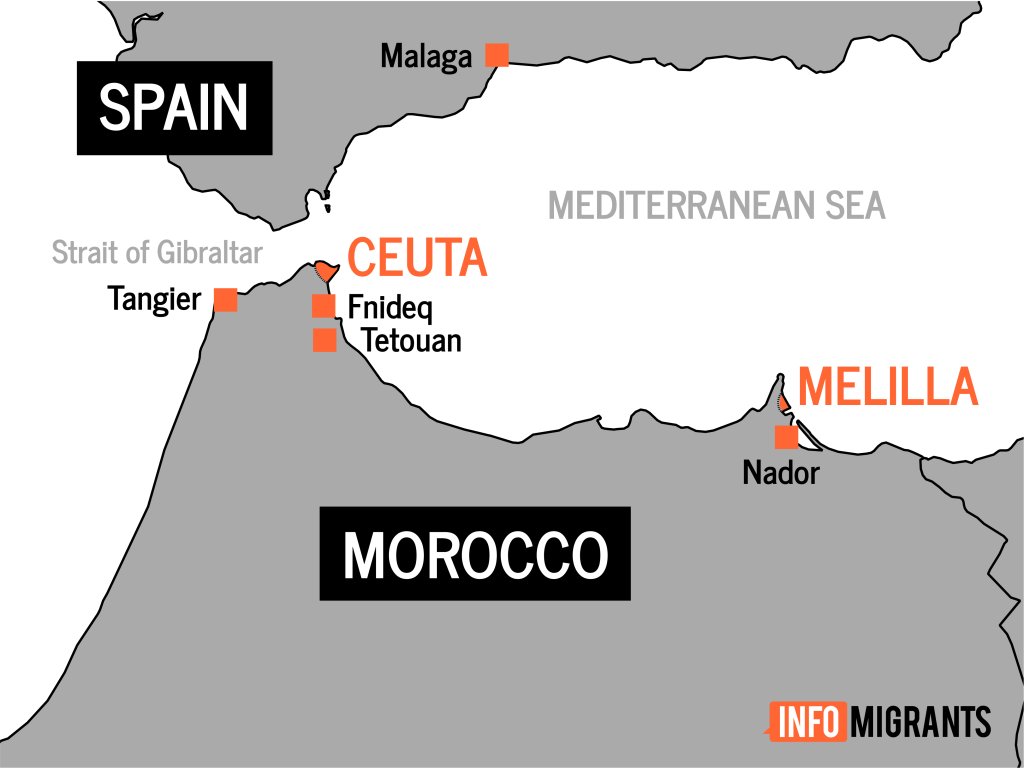
Spain's cooperation with Morocco is closely linked to migration issues because Morocco is both a destination country for some migrants and a major transit country for people hoping to reach Europe, particularly Spain.
Strategic plans outlined in the 20244-2027 Master Plan include support for programs that support gender and sexuality rights, which is regarded as a priority area under its "social transition" agenda and within its feminist and human rights approaches.
"Spanish Cooperation will seek to champion, protect and guarantee the sexual and reproductive rights of all women, girls and adolescent girls through universal access to sexual and reproductive health care services," reads the document.
Organizations at the national, regional, and local levels advancing women and youth, as well as organizations working in the advancement and protection of sexual diversity and reproductive rights, were identified as potential recipients of support.
Additionally, strategic goals to improve connectivity and digital infrastructure to improve safe access to services that improve people’s quality of life, "such as those relating to health and education, will be championed."
Read AlsoSpain rejects EU push for offshore return hubs, instead promoting 'at-source' migration strategy
Mending ties
In 2023, Spain and Morocco mended strained ties by entering into various agreements on a "strategic partnership" with regard to migration and economic partnership.
The meeting, which resulted in two memorandums related to migration, was reported as aiming to pacify diplomatic tensions tied to the disputed Western Sahara, which was a former Spanish colony annexed by Morocco in 1975.

Tensions between Spain and Morocco had peaked in 2021 when Brahim Ghali, leader of the Polisario Front, which seeks independence for Western Sahara, was treated for COVID-19 in a Spanish hospital.
Moroccans make up the single largest foreign community in Spain, with around 800,000 residents.
Read AlsoSpain and Morocco mend ties with migration agreements