
For organizations that have spent months helping migrants prepare applications for the country's historic mass regularization program, the focus has shifted from meeting a legal deadline to helping applicants navigate and anticipate the next stage of the process: integration.
Spain's deadline for applying under its extraordinary migrant regularization program ended on June 30, but for many applicants the process is not over. Some may still be processing necessary documentation, while others are getting ready for the next phase that comes after regularization: integration.
In the last hours before the deadline of application submission, NGOs scrambled to get as many eligible migrants as possible to submit an application. Documents still being obtained from countries of origin could be submitted at a later date, but the opportunity to obtain legal status may not come again so soon.
More than twice as many applicants as initially expected 500,000 sent in an application, raising questions about how prepared the country is to potentially integrate so many people.
Read AlsoSpain's regularization campaign enters final hours
To foster integration and belonging
In some parts of the country, local authorities, community organizations and state organizations continue helping migrants respond to requests for additional documentation, navigate Spain's immigration system and connect with public services as authorities begin processing the nearly 1.17 million applications submitted before the cutoff.
In the municipality of Santa Lucía de Tirajana on the Canary Island of Gran Canaria, local media Canarias7 reported that some 199 residents are receiving assistance through an Office for Extraordinary Regularization established by the local council in partnership with the Sur Acoge Federation and the Canary Association of Intercultural Mediators (ACAMEI).
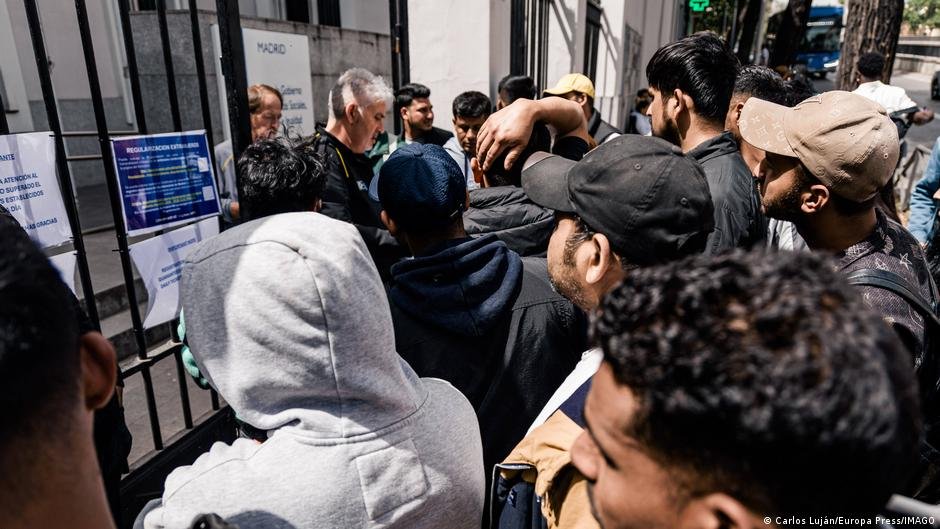
The majority of the applicants were in an irregular situation with regards to their documents. The greatest numbers coming from Colombia, Cuba, Morocco, Venezuela and Argentina in this particular municipality. The town authorities said the office will continue supporting applicants as they respond to administrative requests, navigate the process to learn the status of their applications, and the steps they will need to take in the coming months.
For Santa Lucía officials, however, the initiative goes beyond helping residents complete immigration forms.
"Regularization cannot be understood merely as an administrative procedure, because we are talking about people who are part of our neighborhoods, who work, care for others, participate in community life, and contribute to the development of Santa Lucía de Tirajana," Councillor for Social and Community Services Saúl Goyes told Canarais7.
ACAMEI, one of the partner organizations in the initiative, provides intercultural mediation, legal guidance, Spanish language and literacy classes, nationality preparation courses and orientation to local services.
Read AlsoSpain: Over 1 million applications submitted as deadline for regularization drive closes
Integration and citizenship plan
The local initiatives in Santa Lucia align with the Spanish government's broader Integration and Citizenship Plan 2026-2030, which frames integration as extending beyond legal status. The strategy commits more than 500 million euros in its first year to measures including language learning, employment in sectors with high demand, anti-discrimination initiatives, access to vocational training and the creation of a State Agency for Human Mobility.
Several municipalities expanded or created immigration legal advice services specifically for regularization. Rather than directing residents to central government immigration offices, cities embedded legal advisers within municipal social services to explain eligibility, help compile evidence of residence, issue municipal certificates; and coordinate with NGOs and immigration lawyers.
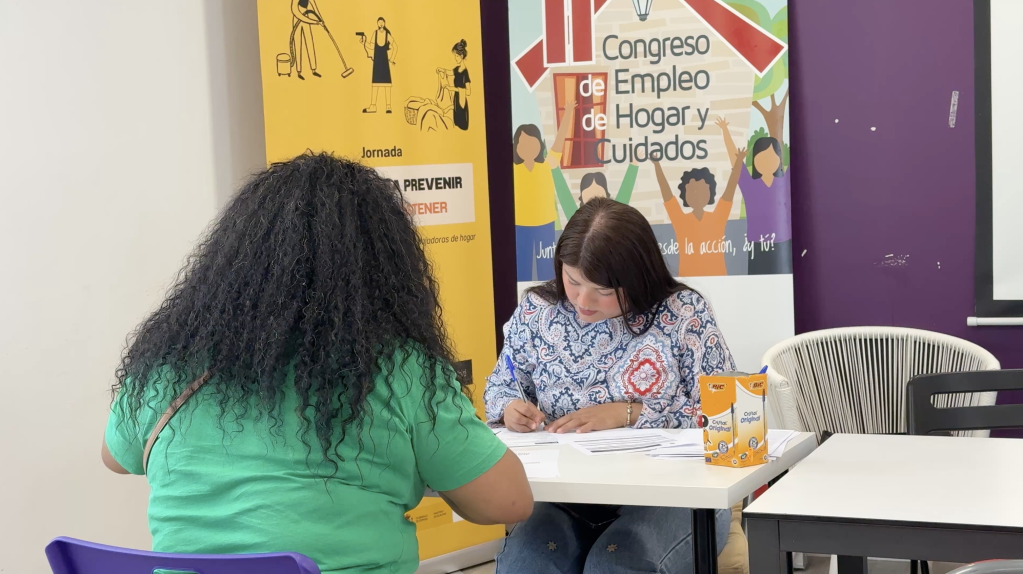
In the southeastern province of Alicante, local authorities are working with organizations to improve the integration process of migrants with individualized attention in Arabic, French, English and Russian. Advice and information in different areas like labor, education, health and housing are also available.
In Barcelona, local media reported that the city opened a dedicated operation in Fira de Barcelona, where applicants could get similar assistance. The city also expanded operating hours and increased staff. By mid-May, 27,300 people had reportedly been assisted via these services.