
With children among the biggest casualties, Sudan’s conflict is becoming even deadlier as drone strikes around El-Obeid trap civilians, disrupt aid and raise fears of mass atrocities, just adding to the amount of people displaced by long years of conflict and insecurity in the region.
Sudan’s war is entering a new and more lethal phase, defined not only by ground fighting but by the systematic use of drones that are reshaping the conflict and dramatically increasing risks for civilians.
Since April 2023, fighting between the Sudanese Armed Forces (SAF) and the paramilitary Rapid Support Forces (RSF) has killed tens of thousands -- possibly more than 200,000 by some estimates -- displaced around 13 million people, and pushed large parts of the country into famine.
More than 30 million people now require humanitarian assistance, making Sudan the world’s largest humanitarian crisis.
Increasing child casualties
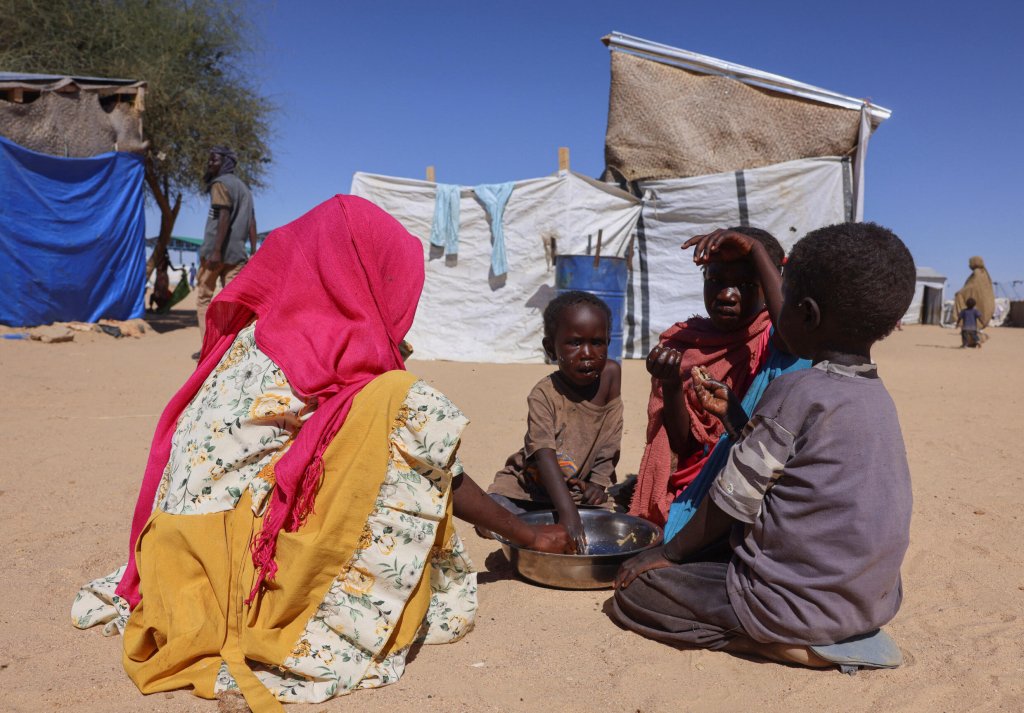
Children are bearing a disproportionate share of the cost. In just the first half of 2026, more than 300 children have been killed or injured, with over 200 deaths recorded. According to the UN children's agency UNICEF, drone strikes now account for roughly 60 percent of child casualties in key regions such as Kordofan and Darfur. Across the country, five million children are internally displaced, while hundreds of thousands face acute malnutrition.
What distinguishes the current phase of the war is the scale and strategic use of drone warfare. Once a supplementary tool, drones have now become central to military operations, enabling sustained attacks on urban centers without the need for full encirclement. As UN officials warn, this shift is making the conflict more unpredictable, more geographically dispersed, and significantly more deadly for civilians.
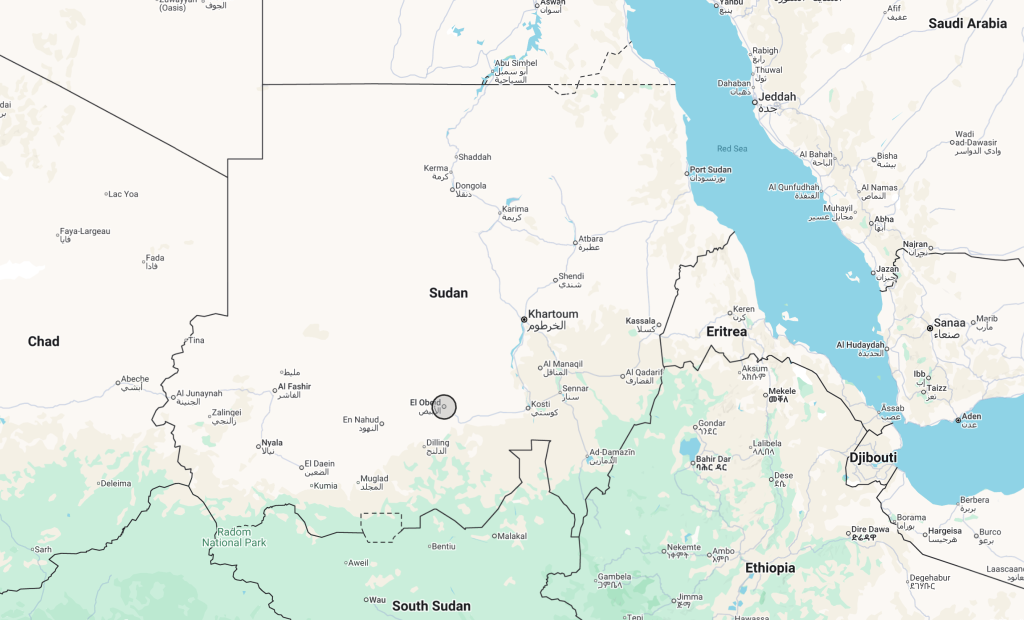
Nowhere is this more evident than in El-Obeid, the capital of North Kordofan, where around half a million people are effectively trapped. The city has been subjected to weeks of intense drone bombardment targeting critical civilian infrastructure, including water systems, power stations, fuel depots and schools. These strikes have created what analysts describe as "siege-like conditions without a siege," degrading essential services and driving up food and water prices while restricting humanitarian access.
Shift towards drone warfare
The strategic importance of El-Obeid has made it a focal point of the conflict. Positioned along a key corridor linking RSF-controlled Darfur with army-held areas in eastern Sudan, control of the city would significantly shift the balance of power. The RSF has massed forces around the city for months, raising fears of an imminent ground offensive.
International concern is mounting that El-Obeid could follow the trajectory of El-Fasher, where an 18-month siege culminated in a 2025 assault that UN investigators said bore the "hallmarks of genocide." The UN Human Rights Council has now ordered an urgent inquiry into violations in El-Obeid, while senior UN officials warn that the window to prevent mass atrocities is "rapidly narrowing."
Drone warfare is central to these concerns. Unlike traditional sieges, drone strikes allow sustained pressure on civilian populations while bypassing front lines. A single strike can disable water or infrastructure, triggering cascading humanitarian effects that extend far beyond the immediate blast. As UNICEF has noted, "one attack does not end when the explosion stops."
External actors
The proliferation of drones also points to a broader and more troubling dynamic: external support. Al Jazeera previously reported in February that according to experts, the drones being used indicate support for the SAF from Egypt, Russia, Iran and Turkey, using Eritrea as a transit hub to Port Sudan.
UN officials have highlighted that the intensity of fighting -- including the sustained use of advanced weaponry -- would not be possible without foreign backing. This has prompted renewed calls at the UN Security Council for an end to arms transfers and external interference, alongside appeals for a humanitarian truce.
Despite these warnings, humanitarian access remains severely constrained. Bureaucratic impediments, insecurity and active hostilities continue to block aid delivery, even as needs escalate. Civilians in El-Obeid and surrounding regions face dwindling supplies of food, water and medical care, with some areas enduring near-siege conditions for over a year.
The convergence of these factors -- mass displacement, famine risk, constrained aid access and the escalating use of drones -- is creating the conditions for a large-scale humanitarian catastrophe. The parallels with previous atrocities in Darfur are no longer rhetorical; they are increasingly operational.
Failed de-escalataion
Efforts to halt the violence remain fragmented. While multiple countries have called for an immediate humanitarian ceasefire and a return to political negotiations, divisions persist over accountability, external involvement and the structure of any future settlement.
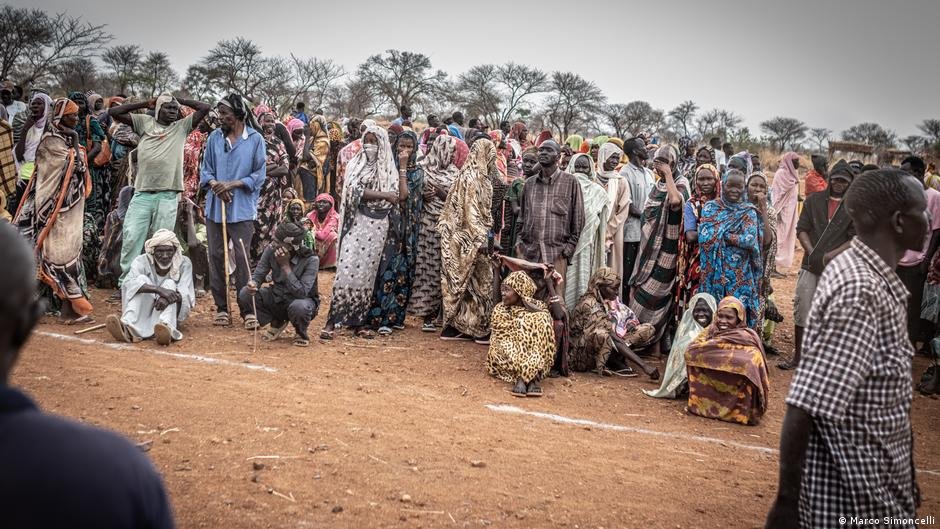
Meanwhile, the war continues to evolve on the ground. For civilians in El-Obeid, this is already being felt. The shift to drone-led warfare has turned the city into a testing ground for a more remote, sustained and infrastructure-focused form of warfare -- one that risks normalizing high civilian harm while eroding the few remaining barriers to mass atrocity.
Unless diplomatic pressure translates into concrete restraint -- including limits on weapons flows and meaningful guarantees of humanitarian access -- El-Obeid may soon become the next El Fasher in a pattern the international community has already failed to stop.
In November 2025, the UN reported that more than 89,000 civillians fled El-Fasher after atrocities were committed there. Many went to transit camps on the Sudan-Chad border, or to South Sudan or Egypt. But now, as crackdowns and difficulties for refugees and migrants, in particular those from the Sudanese community are increasingly reported, some are being displaced further, towards Libya in the hope that they might eventually find safety in Europe.
The UN refugee agency has estimated that since 2023 when the latest round of conflict broke out, more than 559,000 Sudanese have fled to Libya. By April this year, UNHCR estimated that around 14,000 Sudanese had already arrived in Europe.
With AFP and AP