
A new report shows millions of Syrians are returning to communities still lacking water, electricity, healthcare and other basic services. As European governments weigh return incentives and donors face cuts, the challenge of making return safe and sustainable remains unresolved.
The return of millions of Syrians following the fall of Bashar al-Assad has created one of the largest and most complex post-conflict movements in recent history. Yet, according to new analysis by the International Rescue Committee (IRC), many are returning to conditions that fall far short of what is needed for safe and sustainable reintegration.
Since December 2024, more than 3.5 million Syrians -- including 1.6 million refugees from abroad and 1.9 million internally displaced people -- have returned to their areas of origin. While the end of nearly 14 years of civil war has opened the door for return, the reality on the ground remains deeply challenging.
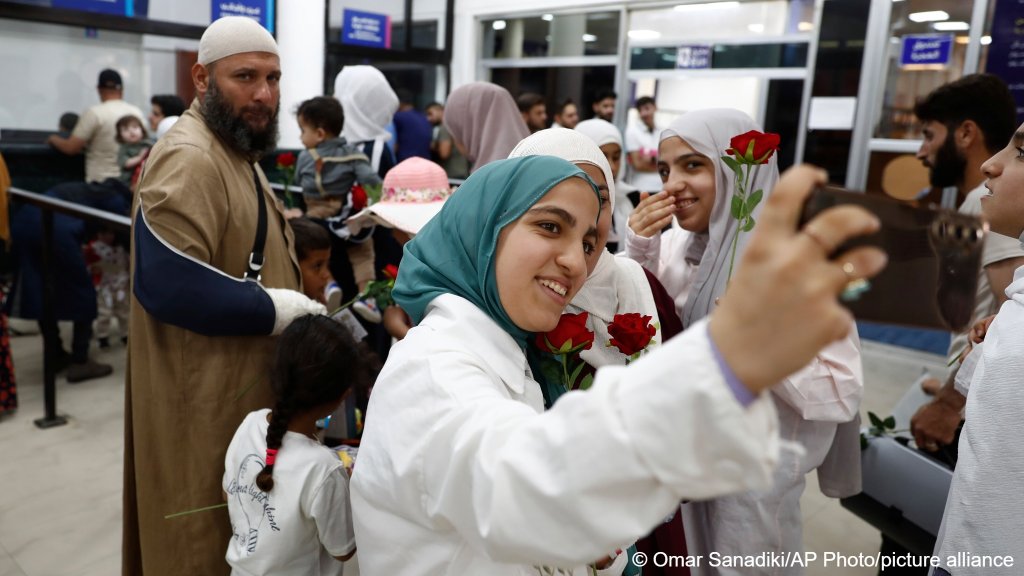
The IRC report argues that the pace of return is now outstripping the capacity of recovery systems. It says 91 percent of returnees arrived in communities where essential services were missing, while 71 percent identified insufficient services for all community members as the main barrier to reintegration. The report warns that underfunded and unevenly distributed aid can fuel competition over scarce resources and weaken social cohesion, making return less sustainable rather than more.
Read AlsoSyrians in Germany continue to face hurdles in returning home
Conditions on the ground
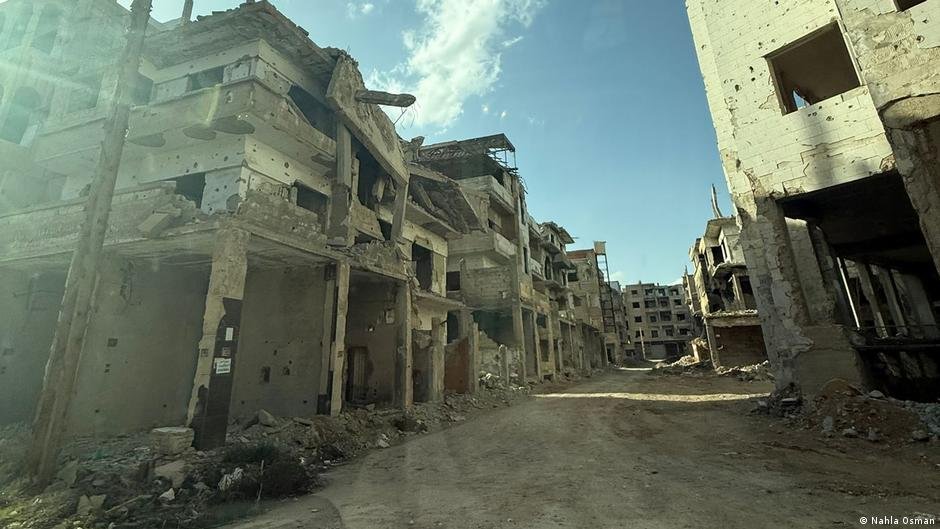
The IRC report finds that nine out of ten returnees arrive in communities without access to basic services such as water, electricity, healthcare, or education. Housing conditions are equally dire -- over two thirds of returnees are living in damaged or unsafe structures, often with little or no support for reconstruction. Only 18 percent reported receiving adequate assistance during their journey, and nearly half said conditions upon arrival were worse than expected.

Crucially, the report highlights that many returns are not fully voluntary. Instead, they are driven by deteriorating conditions in host countries, including reduced legal protections and worsening security environments. In neighboring Lebanon, for example, escalating instability has pushed many Syrians to leave despite uncertain prospects at home.
The lack of infrastructure and services is not only a humanitarian concern but also a source of potential social tension. The IRC notes that friction between communities is less about identity and more about unequal access to aid and resources, underscoring the importance of inclusive recovery strategies.
In response, the organization is calling for urgent, coordinated action. Key priorities include investing in public services that benefit entire communities, funding humanitarian and development efforts in parallel, and supporting local civil society organizations. It also emphasizes the need for sustained solutions for those unable to return safely, as well as targeted funding for psychosocial support and social cohesion initiatives.
Read AlsoThe uncertain future of the Kurds in the new Syria
European policy debate
The issue is also shaping political debates in Europe. In Germany, discussions about accelerating returns have intensified, with proposals suggesting that up to 80 percent of Syrian refugees could return within the next three years. However, IRC representatives warn that such debates risk overlooking the realities on the ground. "Those who return often find no water, no electricity, and no security," said Lena Görgen, the IRC’s Germany director, arguing that guide policy decisions must take account of current conditions.
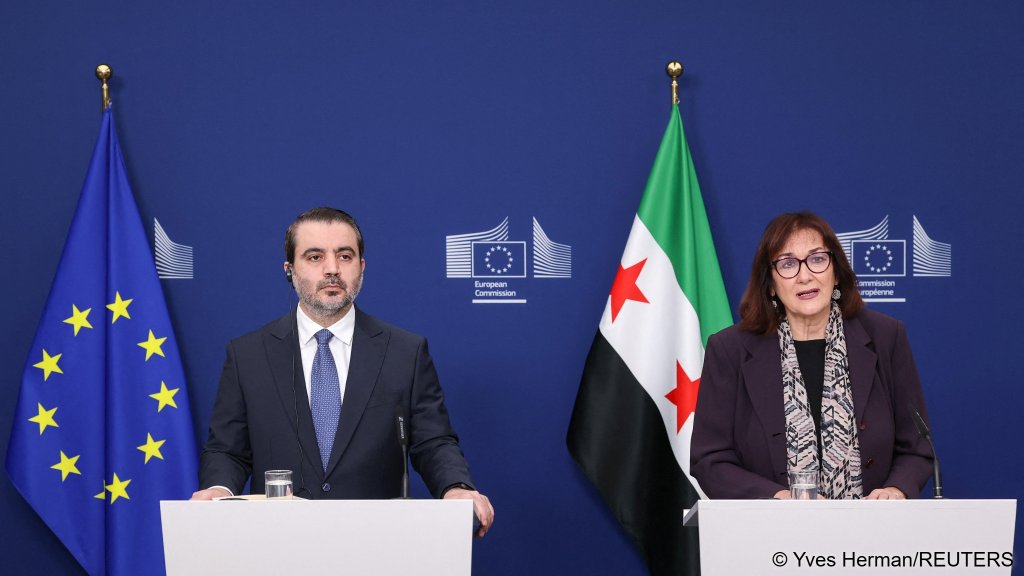
The debate is not limited to Germany. It is also unfolding at the European level, where officials are moving to deepen ties with Damascus even as they acknowledge that conditions remain dire.
At the same time, several European governments are exploring financial incentives to encourage voluntary return. Austria has introduced payments of up to 3,000 euros, while Germany is reportedly considering packages of up to 8,000 euros. Critics caution that financial incentives alone cannot compensate for the absence of basic infrastructure and services necessary for sustainable reintegration.
For policymakers, the challenge is clear: facilitating return is not simply a question of movement, but of conditions on the ground. Without substantial investment in Syria’s recovery, across infrastructure, governance, and social cohesion, the current cohort of returns risks becoming unstable, incomplete, or even reversible. This creates a growing disconnect between policies encouraging return and the limited investment in the conditions needed to make those returns sustainable.
Read AlsoBrussels: EU bolsters ties with Syria in the hope of increasing returns
Funding gap
At the same time, humanitarian actors warn that the international funding environment is moving in the opposite direction of what Syria’s recovery requires. In a joint statement on Germany’s 2027 federal budget, several UN agencies (including UNHCR, UNICEF and the World Food Program) criticized planned cuts to development cooperation and humanitarian aid as insufficient given current global crises.

Proposed reductions of nearly 39 percent in funding for crisis response, reconstruction and infrastructure risk weakening essential services such as healthcare, water supply and food security -- precisely the systems that returning Syrians depend on. With humanitarian aid allocations remaining at just 0.19 percent of the federal budget, the agencies caution that fewer people will be reached at a time of rising need, warning that scaling back support could undermine efforts to stabilize fragile contexts like Syria and address the root causes of displacement.
The post-Assad era offers an opportunity to rebuild. Whether that opportunity is seized will depend on aligning political will, funding, and long-term planning with the lived realities of those returning home. Reconstruction is not only about infrastructure, but also about restoring dignity, opportunity and a sense of belonging in communities able to sustain return.
Read AlsoGermany urges EU to do more to boost Syria's economic recovery
With epd