
The regional government of Spain's Canary Islands has expressed concern about the effects of the full implementation of the new EU Pact on Migration and Asylum. Questions remain on how expedited deportations under the laws will affect adults and unaccompanied minors differently amid a perceived overall lack of guidance from Madrid on the proper enforcement of the changes. This comes after the first group of migrants was taken into detention under the new law.
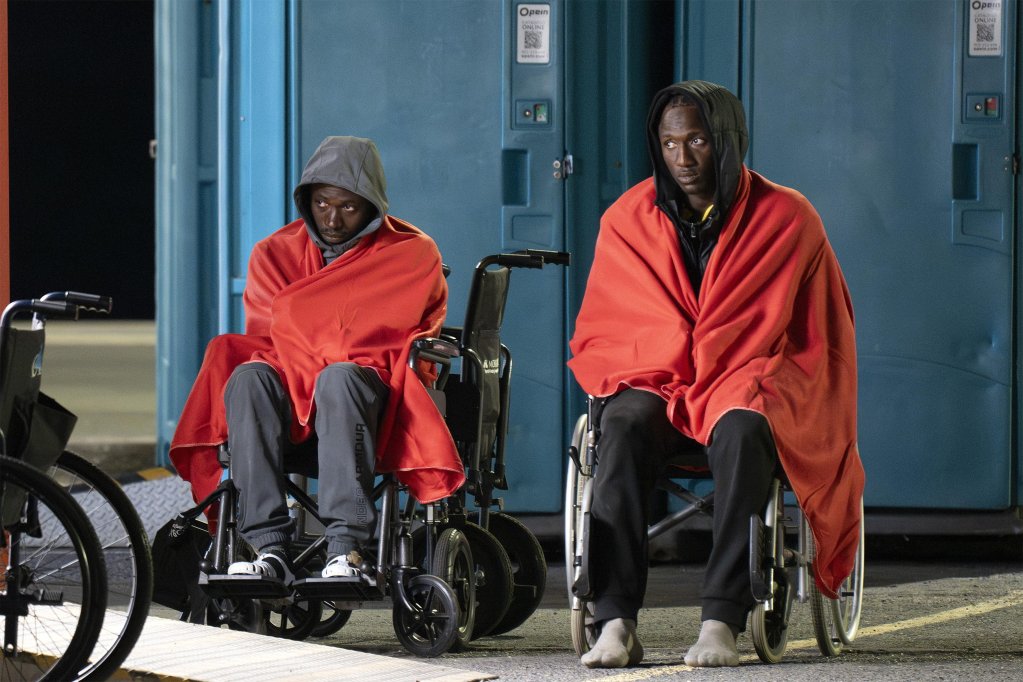
Last week, a court in the Canary Islands authorized the detention and return of 82 Senegalese migrants who had reached the island of El Hierro as part of a group of 119 people in total on June 23. According to Spanish media, this was the first large-scale return procedure launched in the archipelago since the EU's Asylum and Migration Pact entered into force last month.
The migrants were placed in a detention center where they may be held for up to 60 days while authorities organize their return to Senegal. According to EFE, the National Police requested the measure because it expects the West African country to accept the migrants' readmission.
Since Senegal is considered to be a safe country of origin, it is likely that many of the 82 migrants currently in detention will ultimately be sent back.
Separately, 20 Senegalese migrants from a second boat that arrived on El Hierro a few days later (on June 27) have applied for international protection, sources from their legal defence told EFE. Their claims will now be examined under the accelerated procedures introduced by the EU's Asylum and Migration Pact, which applies to applicants from countries with low asylum recognition rates in the EU, including Senegal.
Under the new rules, a decision on their asylum claims should be reached within 12 weeks. If their applications are rejected, they could then be placed in return procedures.
Read Also'Those who remain': Families of migrants mourn their disappearance in Senegal
Canaries' Minister concerned about more arrivals of minors
Following the court decision in El Hierro, Canary Islands' Minister of Social Welfare, Candelaria Delgado, voiced concern that this new, streamlined deportation mechanism could permanently alter the dynamics of irregular immigration to the Spanish archipelago in the Atlantic Ocean.
Her main worry is the fact that while the new law makes it easier to deport adults from countries of origin deemed to be safe, it allows for youths to be given protection regardless of their place of origin.
"This suggests that the number of minors arriving on the islands in the future may increase, because it seems that adults will be immediately returned," Delgado told the local Canarias7 news outlet.
Read AlsoCEAS comes into effect: How will it impact asylum seekers?
Delgado further emphasized in her statement that the Canary Islands government had yet to be given guidance on how the EU pact is supposed to be best implemented, adding that she was waiting for the Spanish government to schedule a meeting to determine "how all of this will be dealt with."
The regional governments of both the Canary Islands and the Basque region in the northeast of the Spanish mainland have meanwhile sent a letter of complaint to the President of the European Commission, Ursula von der Leyen, denouncing the "lack of dialogue, coordination, and planning" in the implementation of the European pact on the part of Madrid.
The President of the regional government of the Canary Islands, Fernando Clavijo, said last month that his region needed "coordination, information, and sufficient resources."
"We want to be part of the solution. To do that, we must also be part of the planning and decision-making."
Read AlsoThe EU Pact on Migration and Asylum: Questions answered
Redistribution of unaccompanied minors
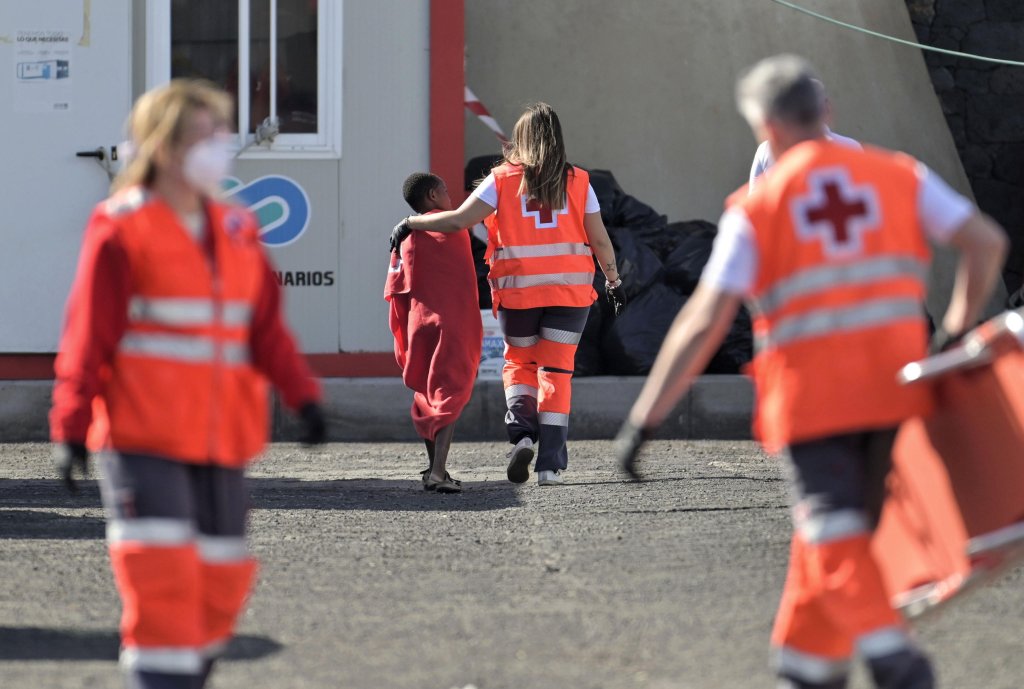
The Canary Islands have for many years had a disproportionately high rate of unaccompanied minors reaching their shores; the local social infrastructures are overwhelmed with making special provisions for underage migrants, who enjoy broad protections under EU law.
The island group has been in a fierce battle with Spain's central government in Madrid for years over redistributing a share of underage minors to the mainland; at the height of irregular arrivals a few years ago, the Canaries had to host more than 6,000 unaccompanied youths with a maximum capacity for under 1,000.
Madrid has been slow to react to the request to share some of the burden, though some progress was finally reached in 2025, when a framework of distributing unaccompanied minors to other parts of Spain was finally reached.
Read AlsoSpain: Renewed disagreement over handling of unaccompanied minors in Canaries
According to that agreement, the central government will help send migrant minors to other regions whenever a particular region has to grapple with more than three times their allocated contingency — a scenario which currently applies to the Canary Islands despite a significant drop in overall arrival numbers in recent months.
Earlier in the week, Madrid agreed to extend that current framework by another year, which Minister Delgado welcomed.
"The Government has finally done it. We've been waiting for this since the beginning of the year to avoid any suspicion from any autonomous community regarding the transfer of the children to their territories," Delgado commented on Monday's decision.
Read AlsoSpain: More than 4,000 unaccompanied minors to be distributed nationwide
More work needed to improve condition in countries of departure
Delgado also said after this extension, she believed that the archipelago is "much better prepared" to deal with unpredictable migration flows and changing trend, stressing that the Canaries were now better equipped to "act" and care for children and young people should there be another surge in migrant arrivals.
The minister emphasized that the Canary Islands' reception system needs to be prepared to provide a dignified response to young migrants arriving on the islands.
In Delgado's view, however, more also needs to be done to improve "the situation in African countries" in order to lower the number of young people who are desperate enough to risk their lives travelling for hundreds or thousands of kilometers aboard small boats to seek greener pastures in the EU,
She stressed that as part of this, the regional government of the Canaries would continue "to advocate for the creation of safe routes so that these people can emigrate safely."
Read AlsoSpain seeks to stem migration with vocational training in West Africa