
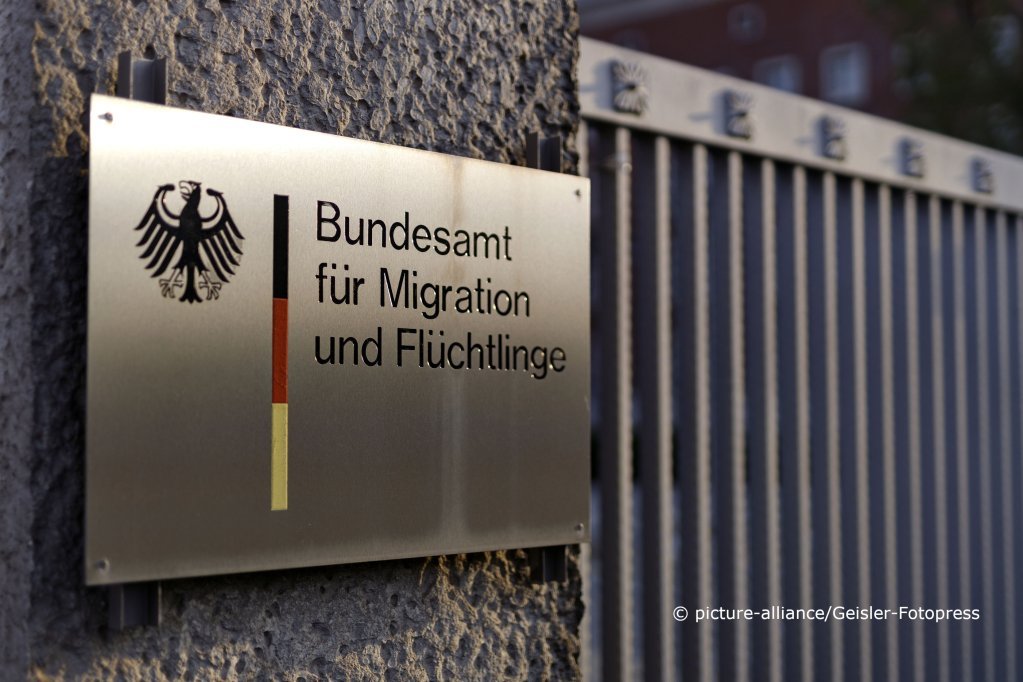
A growing number of Syrian nationals are losing their protection status in Germany. According to the Federal Office for Migration and Refugees (BAMF), the main reason for this is an intensified review of asylum cases involving Syrians with criminal records. At the same time, the number of Syrians choosing to leave Germany voluntarily is also rising, although the overall figures remain relatively low.
About four percent of Syrians living in Germany who have had their cases reviewed ended up with their protection status revoked* in 2025 as part of a broader government initiative to increase the rejection rate of asylum seekers who are engaged in criminal activity, Germany's leading news magazine Spiegel reported.
By May this year however, the proportion of Syrians having their protection status revoked in Germany has risen to more than 30 percent, with the overall rate of repeals in 2026 standing currently at 17 percent. This marks a four-fold increase compared to the previous year.
Read AlsoGermany: Interior Minister wants more deportations, especially of criminals
At present, BAMF says it is reviewing roughly 1,400 of its cases each month, scrutinizing the background of every asylum seeker for indications of their potential involvement in crime.
Spiegel reports that according to BAMF, the rate of monthly reviews has broadly remained the same since the beginning of 2025, meaning that in one and a half years, a little over 25,000 cases have been checked. At the current rate, BAMF will have to continue examining cases for another two years.
Of the roughly 1 million Syrians living in Germany, about half still hold a protection status like asylum or, in most cases, subsidiary protection, while many others have by now been in the country for long enough to qualify for residency or, in about 180,000 cases, citizenship.
Read AlsoGermany: Record numbers take German passport in 2025
Revocation does not equate deportation
Revocations of international protection provisions are easier to implement in cases involving asylum seekers involved in criminal activity, though in many instances, a cancellation of protection does not automatically lead to an outright deportation.
In many instances, Germany does not have permanent deportation agreements with certain countries of origin, or the risk of sending an individual back to their home country is viewed as a danger. In extreme cases, such as those involving extremely violent criminals, Germany has nevertheless sent people back to unstable regions such as Syria and Afghanistan.
In the case of Syria, the government is pushing for greater deportation rates as the Middle Eastern nation continues to reel from more than 13 years of bloody civil war. However, bilateral agreements to streamline all deportations are yet to be reached between Berlin and Damascus.
This change in policy direction marks a notable departure from Germany's previous policy of not sending anyone back to Syria during the war, though many experts agree that the country is not yet ready to be fully considered a safe country of origin.
Read AlsoGermany deports 32 Afghans to Taliban-controlled Afghanistan
More voluntary returns to Syria
Meanwhile, the number of Syrians opting to return to their country voluntarily is also rising, albeit only gradually, according to BAMF data.
In 2025, a total of 3,681 Syrian nationals had voluntarily returned to their homeland with financial support offered by the German government; in the first five months of 2026, the number of such departures had already reached 2,325 instances, with 652 cases in May alone.
If the current trend continues, Germany could see more than 5,000 such voluntary return cases to Syria by the end of the year.*
For the Federal Ministry of the Interior, however, the rate of voluntary returns appears to remain too low, despite widespread skepticism on Syria's preparedness to welcome back its citizens.
Federal Interior Minister Alexander Dobrindt said last month that he was planning to increase the financial incentives for returns by up to 1,000 euros per person in order to encourage more departures, Spiegel reported. That motion, however, is yet to be formalized.
Currently, each adult opting for voluntary return under the federal program receives 1,000 euros, with every child qualifying for an incentive of 500 euros. These funds are in addition to covering travel costs as well as medical assistance.
Read AlsoGerman government pushes Syrians to return to their homeland
*This article was updated on July 9 and July 10, to correct erroneous percentage calculations.