
Over 14,600 people have been deported from Algeria to Niger since the beginning of the year, according to the migrant charity Alarm Phone Sahara. This brings the total number of people returned from Algeria since the beginning of 2024 to well over 82,000. The situation in the perilous border region remain dire, with assistance growing scarce.
According to Alarm Phone Sahara, a total of 14,602 migrants were returned to Niger's border region from Algeria between January 18 and May 17, 2026.
While many of the deported are believed to be Nigerien nationals, including children, there are also countless people among them who hail from other countries -- chiefly nationals of Mali, Guinea, and Nigeria. However, people from as far away as Bangladesh are also known to have been returned to the border area.
Most of the non-Nigerien nationals deported from Algeria are typically returned by force in so-called "unofficial deportation convoys," while Nigeriens are normally sent back using official channels between the two neighboring countries.
However, Alarm Phone has now expressed concern that many of the Nigeriens sent back are also increasingly part of the unofficial convoys.
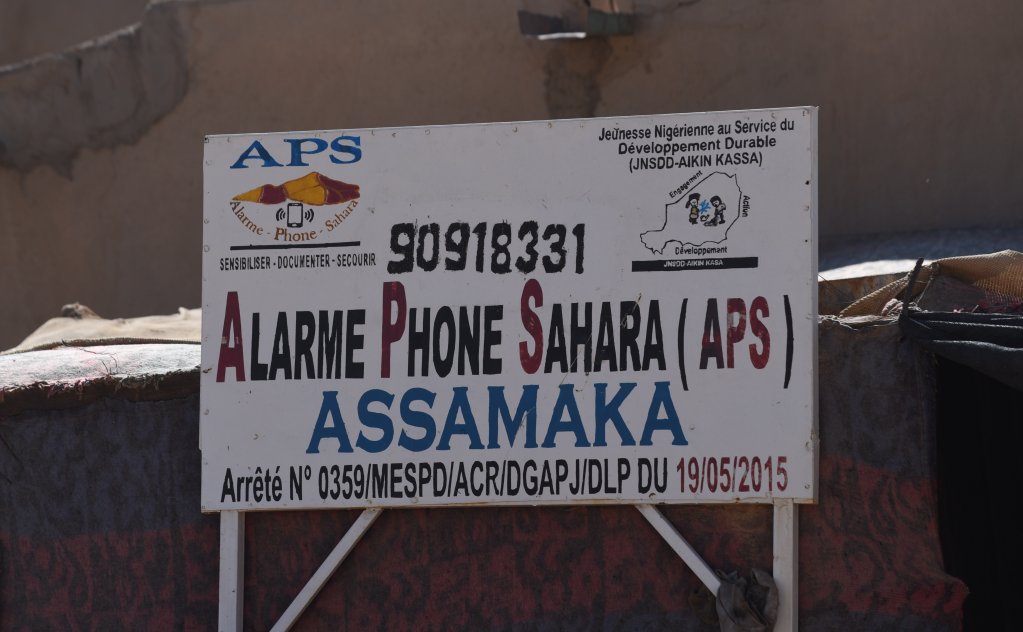
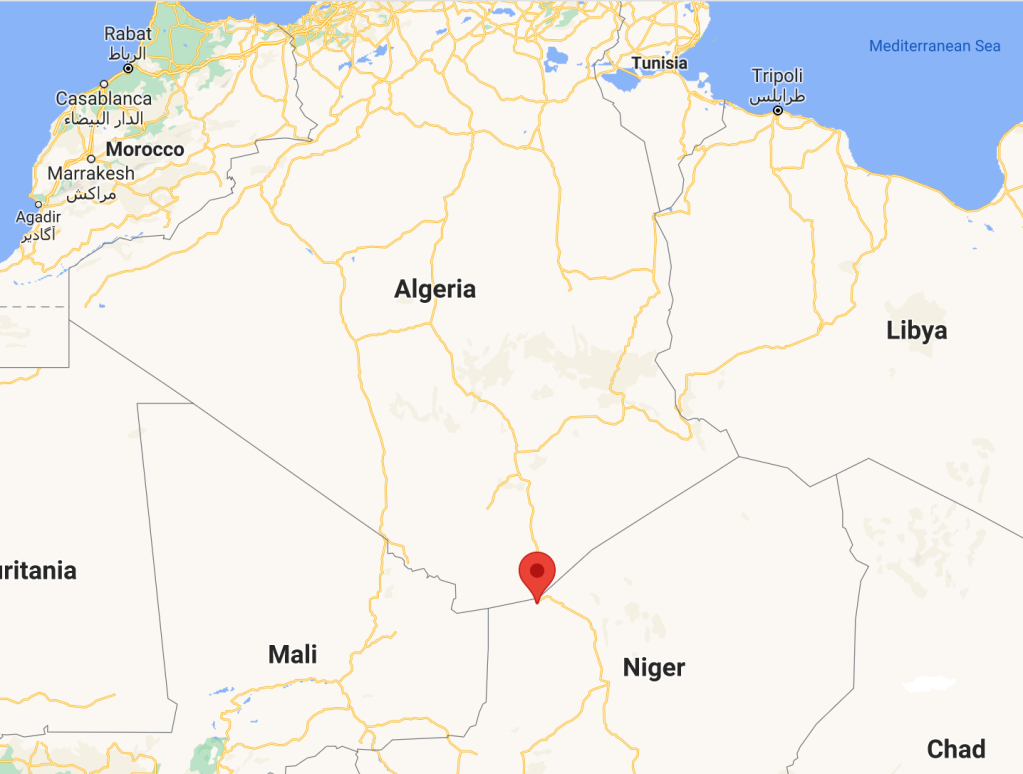
Algeria is known to routinely carry out mass deportations of migrants to its border with Niger in the Sahara desert, to a location known as "Point Zero" or "The Dune," which is situated about 15 kilometers from the town of Assamaka; in recent years, the rate of deportations to this area has increased significantly.
"Migrants are frequently rounded up, stripped of their belongings, and abandoned at a border point nicknamed 'The Dune.' From there, they must march 15 kilometers through extreme desert heat to reach Assamaka," says Alarm Phone, adding that the actions taken by Algerians authorities qualify squarely as pushbacks.
In 2025 alone, more than 34,200 people were deported from Algeria to Niger, with another 31,400 people sent back the previous year.
According to the Alarm Phone, "it is certain that the real number far exceeds the documented figures [in 2025], given that in several cases, local structures have not been able to count the number of people who had embarked on these convoys."
Read AlsoNGO estimates more than 30,000 migrants deported by Algeria to Niger in 2024
Dehydration, despair and death
Deportations to the border region are incredibly dangerous. Over the years, there have been repeated reports of migrant deaths in the perilous desert region. "They can get lost, die of dehydration, or fall victim to criminal groups," says Alarm Phone, highlighting that last month, 49 people were found dead in the area.
Those who survive the journey continue to face life-threatening perils: "[D]eportations from Algeria are synonymous with systematic violence, theft, and trauma inflicted by Algerian security forces," Alarm Phone highlights in its report, stressing that instances of physical abuse have risen in recent months.
Read AlsoAt least 35 migrants have died in Niger desert since January – NGO
A user on Facebook meanwhile approached InfoMigrants stating that currently, there are "[m]ore than six hundred Nigerien nationals deported from Algeria [who] have been stranded in Assamaka for over five months."
While those claims and numbers cannot be independently corroborated, Alarm Phone also states that "[t]housands of sub-Saharan African migrants, including many Nigeriens, remain severely stranded in Assamaka, a remote desert town in northern Niger near the Algerian border."
The Facebook user further claimed that Nigerien nationals are affected disproportionately, since the IOM can host, process, and help foreign sub-Saharan migrants only and not Nigeriens in Assamaka, since they technically are citizens of their own national territory.
"They have received no proper care, not even basic food or clean drinking water. Some of them are seriously ill, yet they have been left without assistance," the user commented, adding that some of the migrants also alleged that they were also subjected to mistreatment by some officials because of their nationality.
Many Nigeriens thus suffer secondary displacement in their own country.
Read Also'Unimaginable horrors' on migration routes to Europe, UN report
War refugees among deportees
Meanwhile, there are also increasing numbers of people forcefully deported to the desert region who come from other parts of Africa.
"Among those deported, there are regularly also nationals from Sudan -- where the war since 2023 has caused the world's largest displacement crisis -- as well as from Chad, the neighboring country that has also been plagued by war and violence for years," Alarm Phone explains.
The NGO adds that authorities in the porous border region also end up sending migrants back and forth between the two territories: "In the scenario of mass deportations, victims of war and displacement are caught in a limbo and pushed around between borders," says Alarm Phone.

Stranded in a dangerous border zone
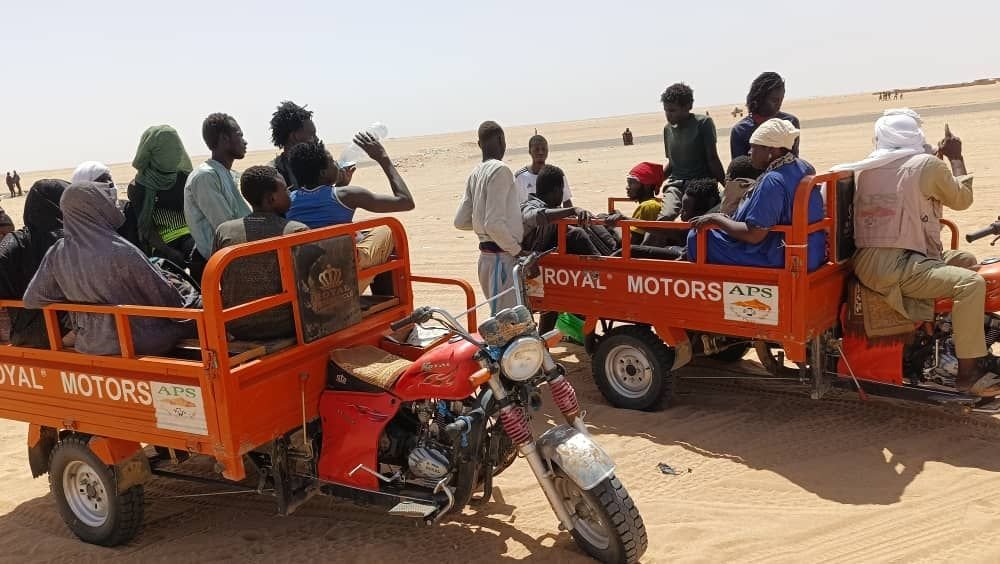
Alarm Phone says that its team in Assamaka regularly tries to help migrants in the region by distributing water and food to migrants stuck around "Point Zero," and that it also physically aids those who are unable to walk the 15-kilometer distance to the border village.
The organization emphasized the fact that sometimes it is even too risky for its team members to enter the area "due to the prevailing insecurity" largely due to the regional Jihadist insurgency, resulting in migrants abandoned around "Point Zero" having to wait for another day to be tended to.
Alarm Phone reiterated its appeal for the UNHCR to step in and help find international protection for the many people stranded in the border region of Niger and Algeria.
Chain deportations from Tunisia becoming commonplace
Alarm Phone also issued calls for the EU to stop its cooperation with countries like Algeria and Tunisia, which are known to indiscriminately send people back across their southern borders in defiance of international law.
While EU cooperation with Algeria is limited, agreements reached with Tunisia in recent years have helped the North African emerge as one of the bloc's leading partners in stopping immigration; Alarm Phone explains that "more and more people have been subjected to a chain of deportations from Tunisia to Algeria, and from there to the Nigerien border" since the EU reached a major deal with Tunisia in 2023.
Read AlsoEU signs controversial migration agreements in Africa
The NGO also singled out the governments of Germany and Italy for signing direct cooperation agreements with Algeria to fight irregular migration.
In this context, the organization also highlighted the fact that, according to a UN report from May, there's also growing repression of civil society initiatives in Algeria, especially groups advocating for missing migrants, citing instances of harassment and intimidation as well as reports of arbitrary detentions.
"It is therefore all the more necessary to exert international pressure on the Algerian government, but also on European states which, through their agreements with Maghreb countries, facilitate practises that violate human rights and foster authoritarian abuses," Alarm Phone said.
Read AlsoLeft to be forgotten: EU accused of being complicit in migrant 'dumping' in North Africa