
The Norwegian Refugee Council (NRC) says that Afghans are now among the people receiving the least humanitarian funding worldwide. In its latest report, the NGO also highlights the plight of people in Africa's Central Sahel region as being of particular concern.
Humanitarian funding for people in Afghanistan has dipped to its lowest level, according to the latest report by NRC.
The NGO said in a statement that the main reason for this decline in aid is the suspension of humanitarian support from the United States of America.
NRC says that up until 2024, the United States had provided more than 40 percent of all humanitarian funding for Afghanistan under the previous administration. Since the return of President Donald Trump to the White House, however, that support has shrunk significantly.
NRC Secretary General Jan Egeland said that the situation had become so dire that Afghanistan has now been included on the organization's list of the world's most neglected crises for the first time.
He added that many Afghans are now left without access to basic services, stressing that without urgent action by donor countries, millions of people could be pushed into abject poverty and hunger.
According to UN numbers, only 16 percent of the stated goal of 1.71 billion US dollars in humanitarian assistance for 2026 has been secured.
Read Also11 million people at risk due to funding cuts – UNHCR
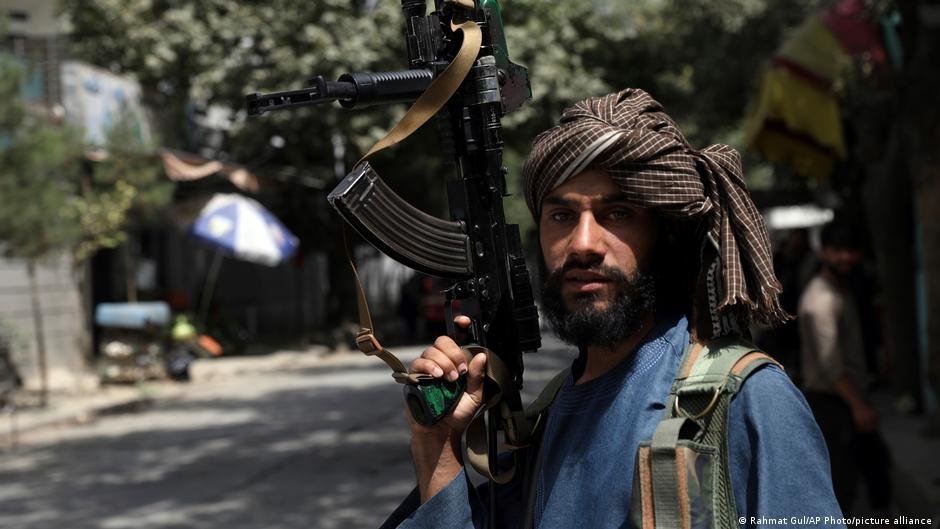
More and more Afghans need aid
Afghanistan's population of nearly 22 million people remains highly dependent on humanitarian assistance following a series of climate change-related natural disasters, as well as a growing descent into financial ruin under the leadership of the Taliban.
Prior to the violent return to power of the country's Islamist leaders five years ago, Afghans had witnessed years of relative fiscal stability during the 20 years of Western military presence in the country.
With millions of Afghans also forced to return to their homeland from neighboring countries, the number of people projected to need humanitarian assistance is expected to rise.
Only 11 percent of adults who have returned to Afghanistan from places like Iran, Pakistan and Turkey are fully employed, according to NRC information.
Read AlsoUNHCR head condemns deportations to Afghanistan
Worsening conditions in Sahel
NRC also highlighted the fact that aid funding for displaced people was declining around the world. In a statement, the organization said that "[fa]milies whose lives have been shattered by conflict are increasingly struggling to survive."
"Violence and displacement continue unabated, while spiralling inflation puts basic goods out of reach, all at a time when aid is declining due to a lack of funding."
The NGO warned that globally, less than a third of the funds needed in 2026 to support the majority of people requiring humanitarian assistance had been secured, stressing that a "massive loss of lives" could ensue.
The organization's latest report also highlighted the situation in the Sahel region in particular, stating that "[c]ountries in the Central Sahel dominate the list of lowest funded humanitarian responses with Niger, Burkina Faso and Mali making up three of the five least funded plans in 2026."
"Alongside the dire levels of humanitarian funding, the region has also seen a sharp decline in development financing that has weakened already fragile systems and left schools and health facilities struggling to function."
Read AlsoMalians flee instability, 'horrors,' and Russian armed groups to head for Mauritania
Secretary General Egeland urged the international community to increase their support, taking particular aim at the US:
"We urgently need to see countries able to fund space missions and World Cups step up to support people living through crisis," said Egeland. "2026 is a make-or-break year for millions in desperate need around the world, from Venezuela to Sudan."
Read AlsoUNHCR resettlement report paints dire picture about refugee outlook globally