
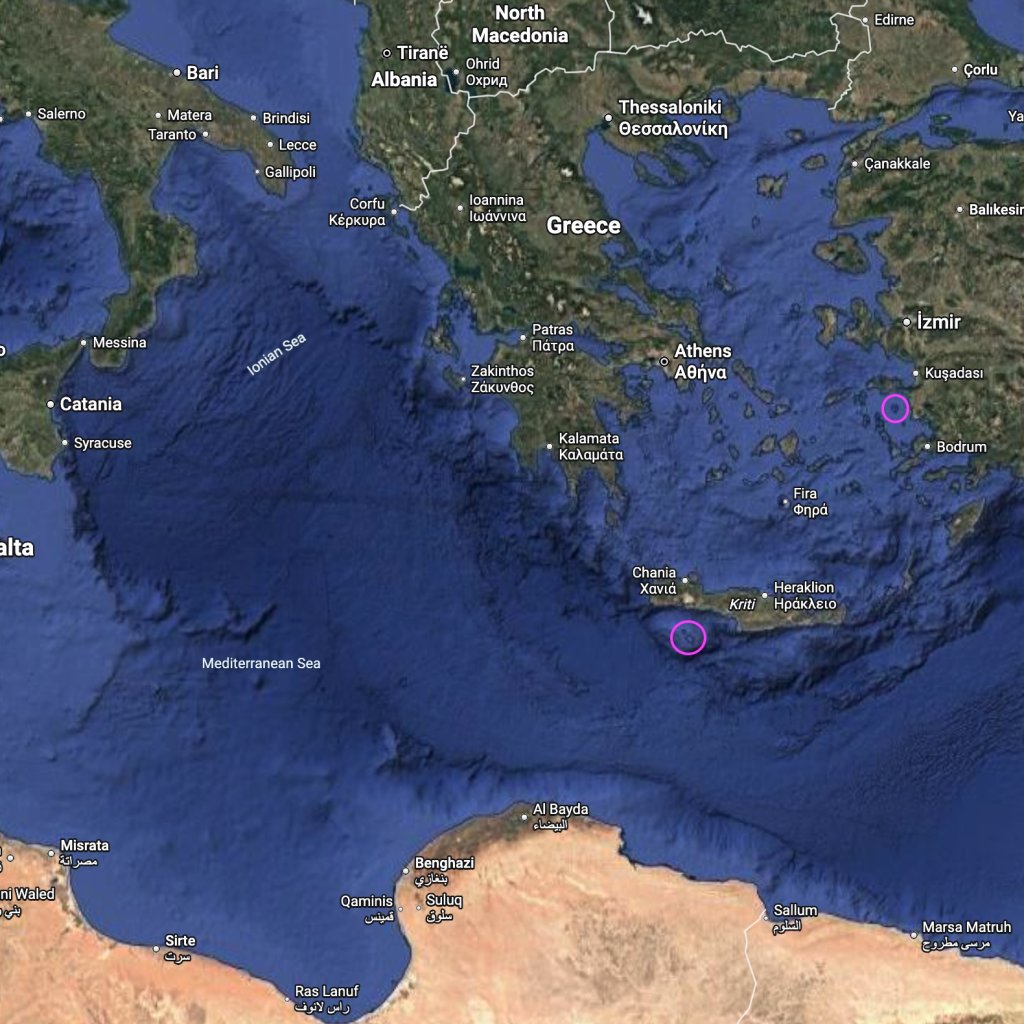
A total of 70 migrants were rescued during two separate operations south of the Greek island of Gavdos on Tuesday morning. Meanwhile, another group of 32 migrants managed to reach the Aegean island of Agathonisi.
The first operation involved a dinghy with 34 migrants on board, saved by a vessel from the European external border agency Frontex about 40 kilometers south of Gavdos, Greece's southernmost island.
The second rescue focused on another dinghy with a reported 36 passengers, rescued about 45 kilometers southeast of the island. It is unclear at this point whether this operation was conducted exclusively by Frontex or whether it also involved the Greek Coast Guard.
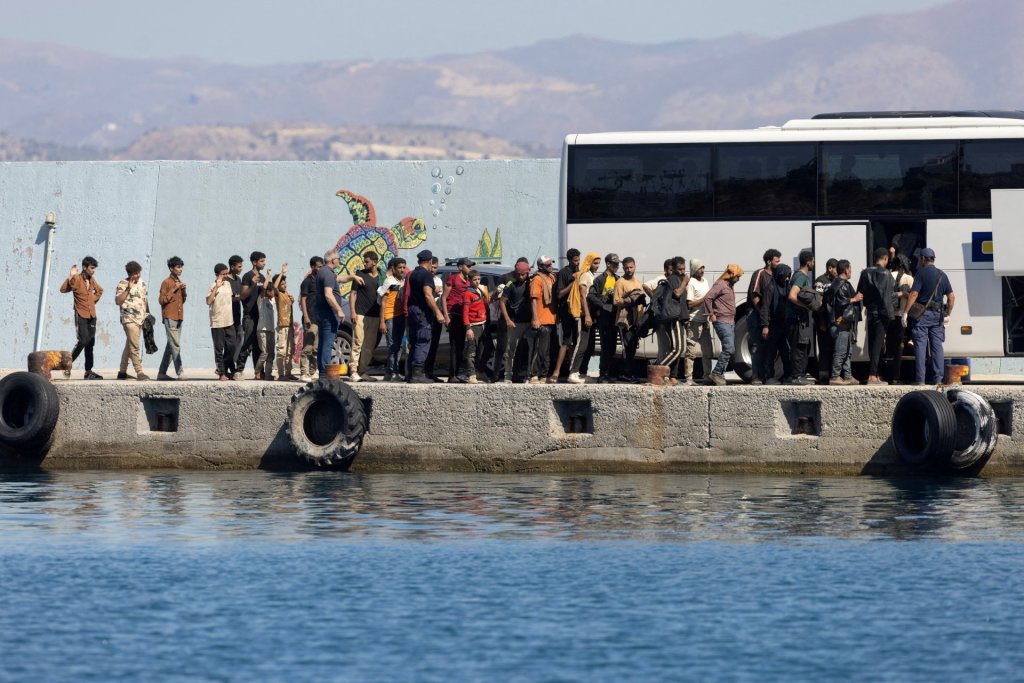
All rescued migrants were transferred to the small island's port for processing, according to the Greek news outlet ekathimerini.
Boat chase near Samos
Meanwhile, the Greek Coast Guard also issued a statement on Tuesday that 32 migrants had managed to reach the eastern Aegean island of Agathonisi near Samos after dodging a patrol boat on Monday.
A man from Iraq was reportedly taken into custody on suspicion of having piloted the vessel, departing from the nearby Turkish shore.
The Coast Guard added that the migrants on the speedboat had paid a smuggling ring 1,500 euros each to be smuggled to Greece.
Read AlsoTobruk-to-Crete migrant crossings intensify as Greece enforces strict sea patrols
Irregular arrivals from Libya remain high
Greece remains a point of entry into the European Union for thousands of migrants each year.
So far in 2026, about 15,500 people have succeeded in reaching the EU member state using irregular means of migration, the majority of them via sea, UNHCR data shows. With several more months of warmer weather conditions and subsequently smooth sailing provisions expected, that number could significantly increase.
The majority of the current arrivals come from various countries in the Middle East, Central Asia, the Indian subcontinent and Africa.
Most of the irregular departures to Greece take place from Libya, with the aim of reaching the southern Greek island of Crete or its small neighbor, Gavdos.
Read AlsoCrete and Gavdos among Greek Islands with highest migrant sea arrivals
Migrant movements from Turkey's shores have regressed in recent years due to shifting migration routes on the one hand and tightened border controls and increased interceptions on the other.
While many of the migrants who arrive in Greece plan to move further into other parts of Europe, Greece -- as their first country of arrival -- is tasked under European law with processing their asylum claims and providing adequate shelter and sustenance while this process continues.
Furthermore, applicants whose asylum cases are approved are then expected to remain in Greece and can be returned if they are found to be in another EU state under the bloc's so-called Dublin regulation.
Read AlsoGreece and Germany agree not to return Dublin cases to Greece until mid-2026