
For the last week, Europe has been in the grip of another "unprecedented" heatwave. Seasonal migrant workers who work in European agriculture, for instance in southern Italy often go home to makeshift shanty towns in the evening, where they have little reprieve from the boiling heat.
Over the last week, temperatures across Europe have been breaking records. Europe is the world’s most rapidly warming continent. In some areas, like the Borgo Mezzanone shantytown near Foggia in southern Italy, the heat bears down on migrant agricultural workers who call the area home during the peak tomato harvesting season in the summer.
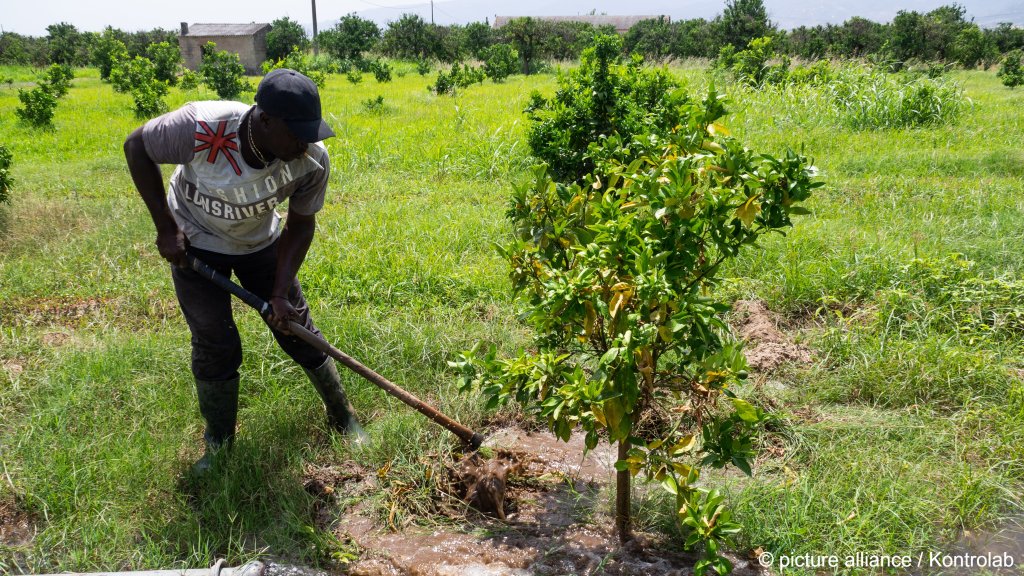
During the day, the residents of the informal camp toil in the nearby fields picking fruits for paltry wages. Many are reportedly forced to work under the 'caporalato' (gangmaster) system, where illegal intermediators connect workers and farmers and then keep large parts of the workers' pay.
In the evening, the seasonal workers go home to Borgo Mezzanone, where corrugated iron shacks spread out across one of the largest informal settlements in Europe. There is no running water, electricity or sewage system.
Whether on the field or the places they have to call home, seasonal workers often have no reprieve from the heat, increasing their vulnerability to heat-related health threats.
Read Also'Desperation is a powerful driver': How people fall into human trafficking networks
'Cannot cool down'
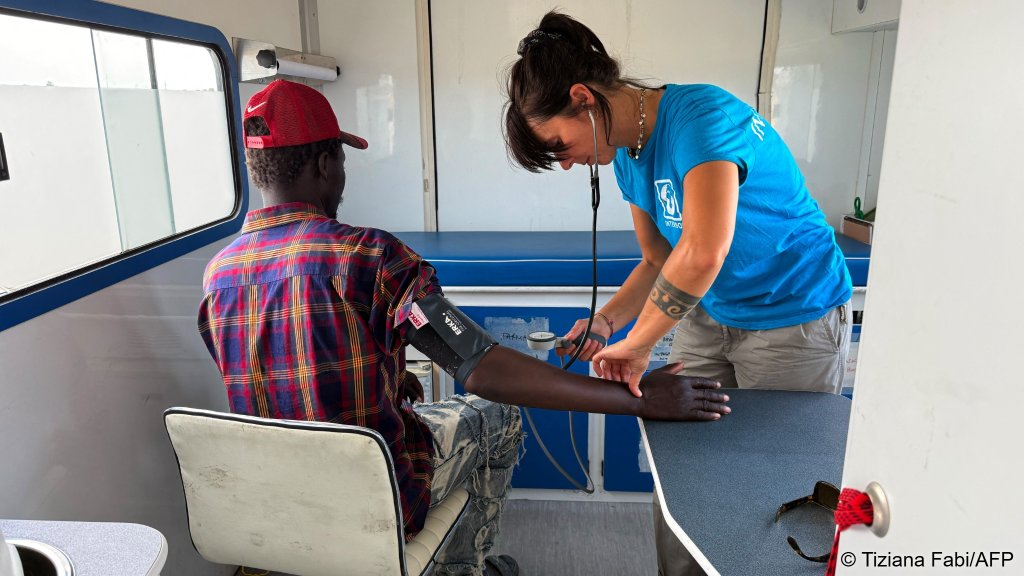
A small mobile clinic run by the Italian humanitarian NGO, Intersos, sees many of the seasonal workers. In an interview with France24, Francesca Palazzo, Intersos' project leader in Foggia, said "people returning from the fields cannot cool down".
"They suffer from heat, from thirst. When they visit our clinic in this period, it's mostly for heat-related problems," said Palazzo.
"We have just lived through the eleven hottest years ever recorded. Climate disasters are becoming more frequent, more destructive, and more costly. And the World Meteorological Organization has warned we ain’t seen nothing yet. El Niño is not just knocking on the door...it is hitting the vulnerable the hardest," United Nations Secretary-General Antonio Guterres said during London Climate Week (June 23).
According to the World Health Organization (WHO), more people globally are being exposed to extreme heat because of climate change in all world regions. In Europe, the summer of 2022, saw an estimated 61,672 heat-related excess deaths.
Outdoor and manual workers, athletes and civil protection employees are exposed to excess heat because of their work and susceptible to exertional heat stress, said the WHO.
Additionally, poor quality building materials that trap in heat and limit ventilation such as those found in informal settlements make urban and rural poor communities more disproportionately exposed to overheating. Another factor is gender in the case of women who are primarily responsible for cooking indoors during hot weather.
Read AlsoItaly: Migrant found dead in makeshift camp near Foggia
Heat stress
Heat stress is the build up of heat in the body generated internally by muscle use or externally through environmental factors. When the body generates more heat than it can release through the body's cooling mechanisms such as sweating, the body falters at regulating its temperatures. This can lead to dangerous health conditions ranging from mild dehydration and cramps to life-threatening heat stroke.
In a report entitled, "Heat at Work", released in July 2024, the International Labor Organization referred to heat stress as the "invisible killer" and called for the immediate need to strengthen heat stress prevention strategies, integrate occupational safety and health (OSH) into public health plans, and ensure protection for workers in all excessive heat conditions.
Read AlsoItaly: All 30,000 places for seasonal agricultural migrant workers filled in a day