
This week a court in Mainz ruled that a female Somali influencer, who has been accused of publishing hate speech on social media, as well as traveling back to Somalia, the country she was supposedly protected from in Germany, cannot be deported for the moment, despite the removal of her refugee status.
On Thursday (June 25), the Administrative Court in Mainz (Verwaltungsgericht Mainz) released a statement in which it confirmed that it had upheld the objection made by a Somali influencer, who had been threatened with deportation following the removal of her refugee status.
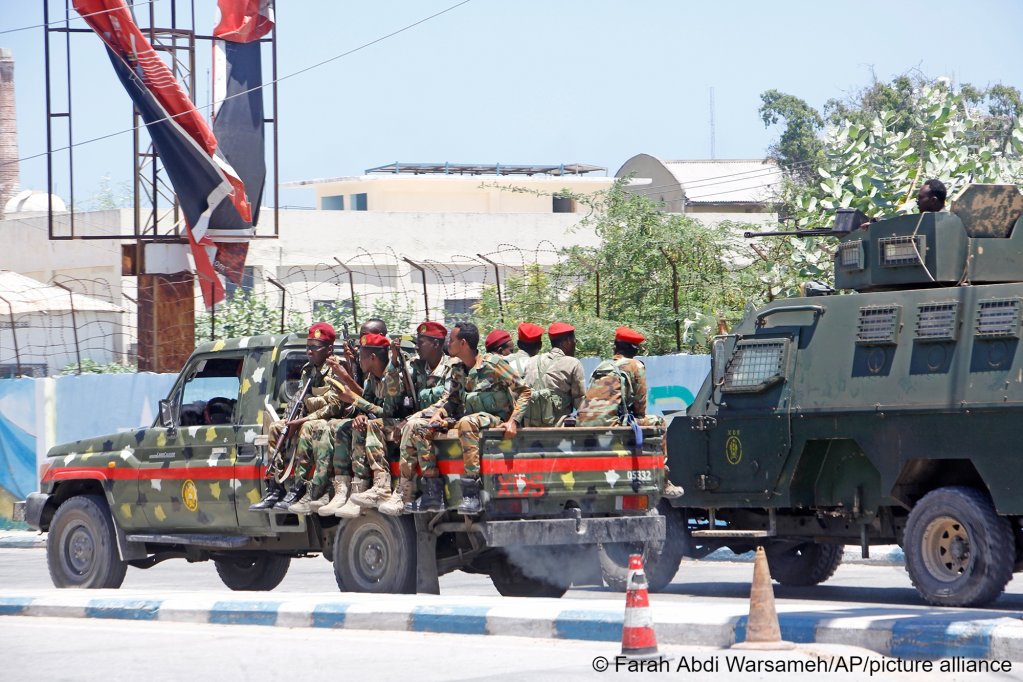
The court confirmed that the influencer’s refugee status had been revoked because of suspicions that she had been traveling regularly to her country of origin, despite claiming protection status from that country in Germany. While in Somalia, the court found, she had taken part in public events.
The court ruled that the woman, who has also been accused in the past of spreading hate via the internet, is allowed to remain in Germany for the duration of her appeal proceedings against the revocation of her protection status.
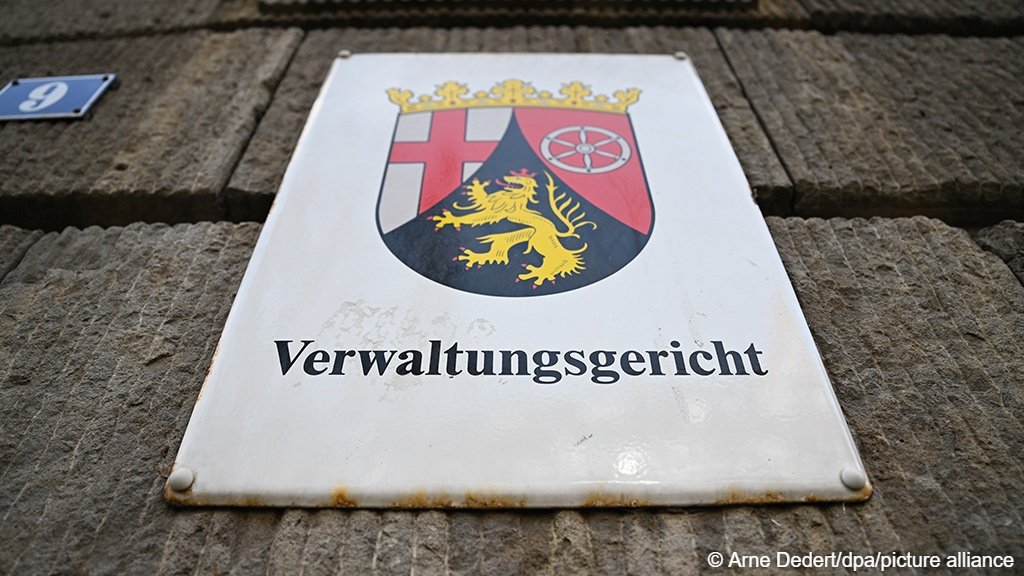
According to a press release from the court, her deportation notice was unclear about the date by which the German state required her to leave the country. Because of this administrative failure, the court ruled that the German authorities had issued her an unlawful departure deadline and that the threat of deportation is "unenforceable," meaning that the influencer cannot be deported for the time being.
Living in Mainz
However, the woman has had her residency status removed, and she would not be allowed to reenter Germany should she leave the country.
The woman had been last recorded living in the city of Mainz, reported the German protestant press agency EPD. According to that press report, the Mainz authorities had given the woman two different dates in their notice to leave the country, which caused administrative confusion.
The German Federal Office for Refugees and Migrants (BAMF) removed her refugee status in May. She is reported to have posted on TikTok under the pseudonym Xidgta Jarmalka (Germany’s Star) and had around 250,000 followers, reports EPD.
In the past, the woman was reported to have posted video messages inciting violence against members of a rival clan. However, the woman didn’t lose her refugee status because of these allegations, but because she was seen to be traveling to Somalia. Based on her TikTok videos, she was seen in Somaliland.
Somali influencers encourage war and violence
The woman is not the only Somali person living in Germany to be posting videos inciting violence and war on social media channels. Last year, German public broadcaster ARD’s news channel, in collaboration with Deutsche Welle, Germany’s international broadcaster, published a documentary where they alleged that several Somalis who had sought asylum in Germany were posting videos inciting war from Germany. Some of these men, reported the documentary, have "millions of followers."
One of the reports concerned the case of a man named as Ayub A. According to the documentary, he had sought asylum in Germany in 2017 but had his application refused. However, because of the current conflict and situation in Somalia, he could not be sent back to the country and so was offered a 'tolerated' (Duldung) status. This has fewer rights than full refugee protection but nevertheless allows the holder of such a card to remain in Germany.
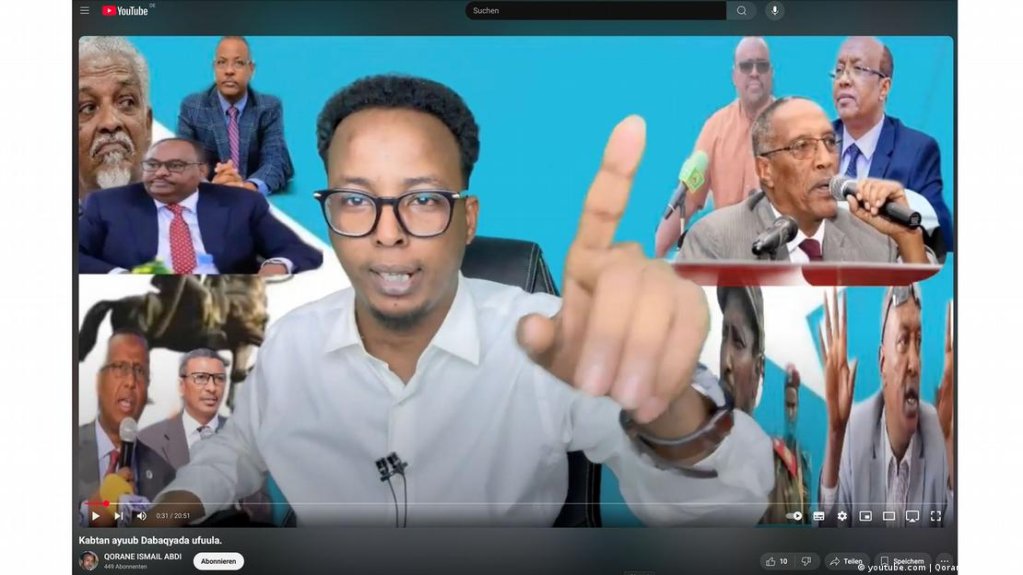
According to the documentary, the man traveled "several times" back to Somalia. Various videos, they allege, show him in military uniform and firing heavy weapons. According to research by the reporters, one video depicting this in 2023 was shot in northern Somalia where a militia has been fighting for autonomy in the region.
The security expert Moustafa Ahmed told the documentary makers that the kind of activity propagated by these Somali influencers is "very dangerous." According to Ahmed, "Social-media influencers are fanning the flames of conflict and spreading propaganda and encouraging violence."
A past as a pirate?
Further research by the documentary makers found that Ayub A may have also been part of pirate activity off the Horn of Africa, attacking ships traveling between the African continent and the Arabian Peninsula. At the time that he was allegedly active in the 2010s, more than 90 ships were held hostage by pirate groups operating in these straits, and most of the pirates came from Somalia.
One of the men on board a ship that was taken hostage by the group Ayub A allegedly worked with remembered him when he saw his picture. Now in Ghana, the man told the reporters, "He was one of eight kidnappers who took our ship hostage. He was the youngest, but he already held a lot of power." A source working for the Somali government also told the documentary makers that Ayub A had taken part in pirate activities.
In July last year, when the documentary was released, reporters with ARD said that German security services were also investigating Ayub A, although the German state prosecutors in Hamburg were not at liberty to release any information regarding that investigation.
Hate speech and anti-LGBTQ+
Another Somali influencer, reported ARD, was also busy collecting donations to finance the war in his region and also suggesting his followers should kill those belonging to the LGBTQ+ community and "remove them from society."
This man also applied for refugee status in Germany and also allegedly traveled back to Somalia and Puntland, from where he posted videos. Last year, ARD reported the authorities were "checking his residency status." Media reports from Somalia suggested that he had been tried in absence in that country for allegedly spreading Islamist online propaganda and so he cannot return there. Deutsche Welle reports that the circumstances that led to this verdict "are unclear."
Jamal Osman, a Somali journalist who works for international media told Deutsche Welle that these influencers are often charismatic. Describing Ayub A, he said: "He knows what buttons to press to provoke people into action."
Some of the influencers have allegedly raised tens of thousands of euros within an hour, some of which has been used to buy weapons.
Fear and influence
One Somali person in Germany said these influencers are well known within the Somali community in Europe. He said that the reason they can apparently post anything they want is that they are posting in Somali, and hardly anyone understands it. He added that anyone who wanted to report them might think twice, as they would be too afraid to do so.
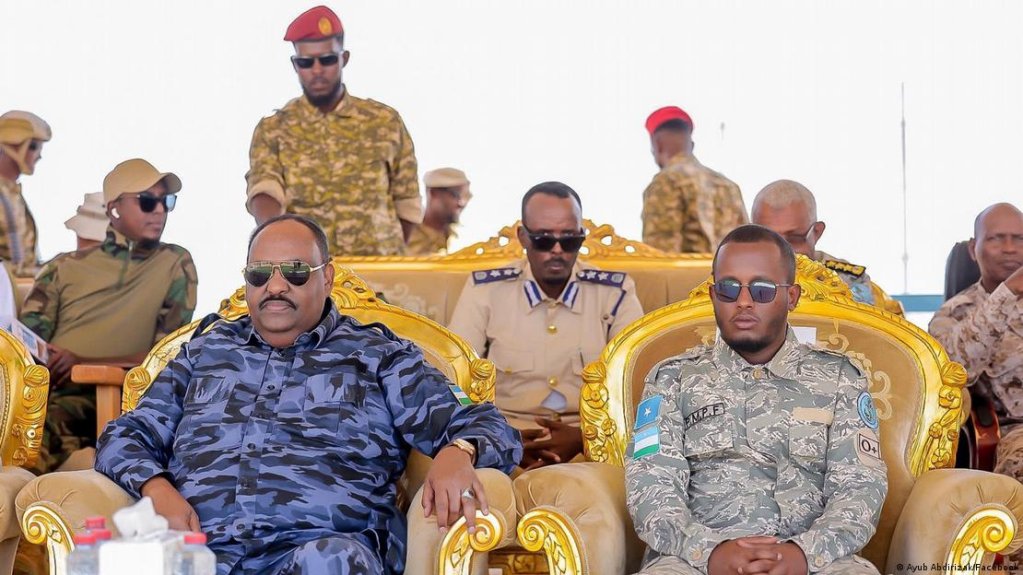
Last year, a report by Deutsche Welle published photos that Ayub A had posted to his Facebook page. It purported to show him sitting right behind the Puntland President Deni in Somalia in April 2025, suggesting that he held some influence in the region, said DW.
Because of these apparently close ties in the region, Osman told DW that he believed Ayub A thought he could "commit crimes with impunity." Clan membership is hugely important in Somalia and part of most people’s identity. According to Osman, there are typically no consequences for illegal acts for those who belong to powerful clans, or have financial means. "You can kill 10 people and walk on the streets the next day. That is how Somalia works."