
The operators of an outdoor swimming lake in the German city of Halle have been ordered by the city authorities to withdraw a rule that was reported to bar visitors from entering if they did not have sufficient German comprehension. The lake operators however have replied saying "everyone is welcome" but they wanted to make sure that people using the swimming facility could understand security measures taken for the safety of all.
The recent dispute in the German press focuses on a lakeside swimming facility known as Heidebad, in the eastern city of Halle. The lake is part of a nature park and surrounded by orchards and protected areas.
According to a flurry of reports in the German press this week, the operators of the swimming facility recently introduced a rule allowing staff to deny entry to those whom they believed did not have sufficient German comprehension to understand the site’s safety and swimming rules.
"The exercise of house rules may not undermine this public character through blanket entry bans for entire population groups," Drago Block, a spokesperson for the city of Halle, told the German press agency dpa. He added that any approach that could be "perceived as xenophobic would breach the contractual duty of good conduct." The city added that they believed "less restrictive measures should be taken before any blanket ban."
Block added that the city had contacted the Heidebad operators "by phone and in writing," to reach a "good solution as soon as possible."
The city is basing its demand on the operating contract concluded with the pool operators, Heidebad GmbH, under which the leaseholder must ensure that public access to the facility is guaranteed.
Read AlsoGermany: Skilled workers welcomed, as integration rules tighten
'No German, no entry'
The rule has drawn criticism from some parts of society and has maybe become symbolic of wider concerns over the political direction the state is taking ahead of elections to be held this September.
A report in the Frankfurter Rundschau daily reported it with the headline: "No German, no entry," highlighting a potentially discriminatory approach between Germans (German-speakers) and non-Germans (non-German speakers), or an "us" and "them" divide, which is already reflected in the current political trends in this area. Local public broadcaster MDR also followed with similar headlines.
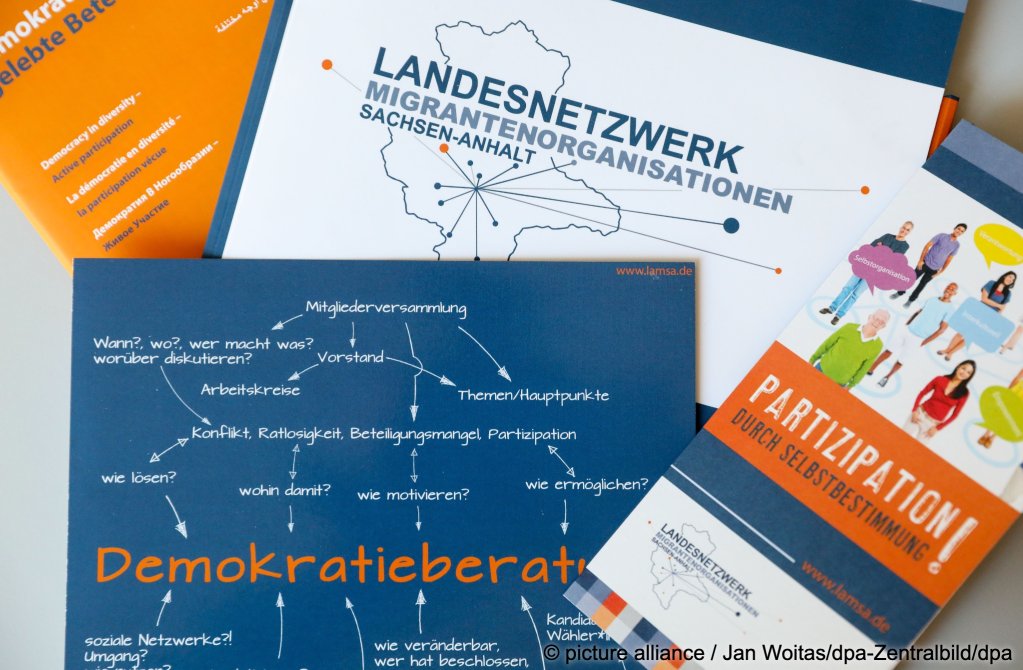
LAMSA (Landesnetzwerk Migrantenorganisationen Sachsen-Anhalt), the umbrella organization for migrant organizations in the state, also expressed "irritation" at the news about the swimming pool. Head of LAMSA, Mamad Mohamad, told MDR that he believed the swimming pool could have found other ways to communicate its rules. He said migrant people would feel discriminated against once they heard about the rules.
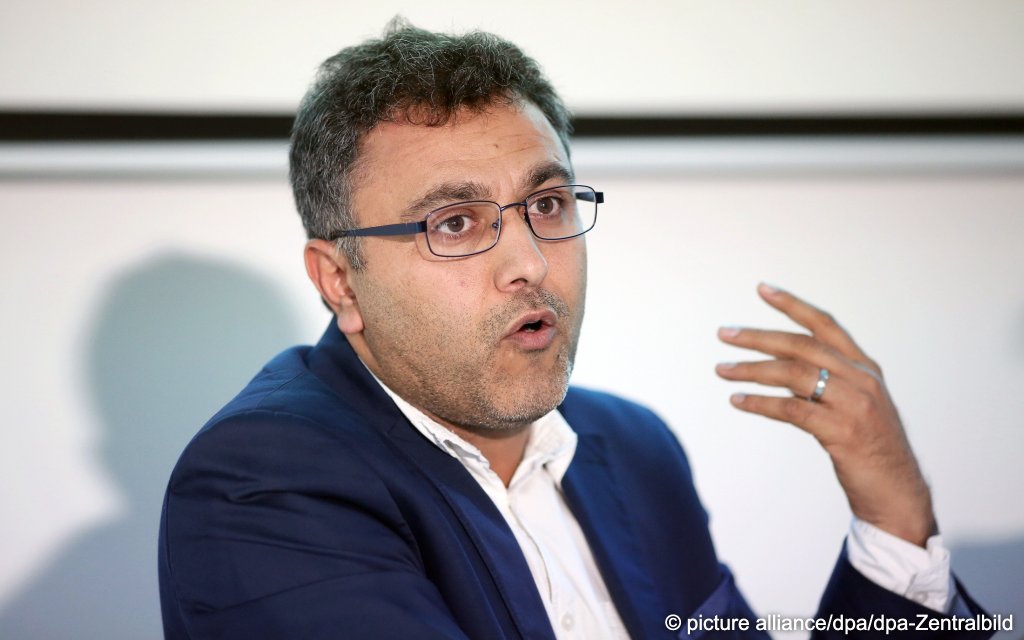
Mohamad added that if people didn’t obey the rules, they might be subject to a ban by the pool, but that banning automatically everyone based on language skills was "pretty awful." Especially in the heat currently covering all of Germany and most of Europe, Mohamad added that preventing some members of the community, based on their language skills, from the possibility of cooling off was unfair.
LAMSA suggested that the swimming pool should maybe think about installing life guards who can speak several languages or using pictograms to communicate the rules. "Many people who have migrated have been living in Germany for a long time already and are ready to offer help to navigate these situations," concluded Mohamad.
Read AlsoChancellor Friedrich Merz criticized by women in Germany
AfD support in Saxony Anhalt ahead of forthcoming elections
Halle is in the eastern German state of Saxony-Anhalt. Support for the right-wing Alternative for Germany (AfD) party is strong here, and polls suggest that the party could actually win a majority in the state and control the state parliament (Landestag) after elections are held in September. In some opinion polls towards the end of May, it was polling as high as 42 percent.
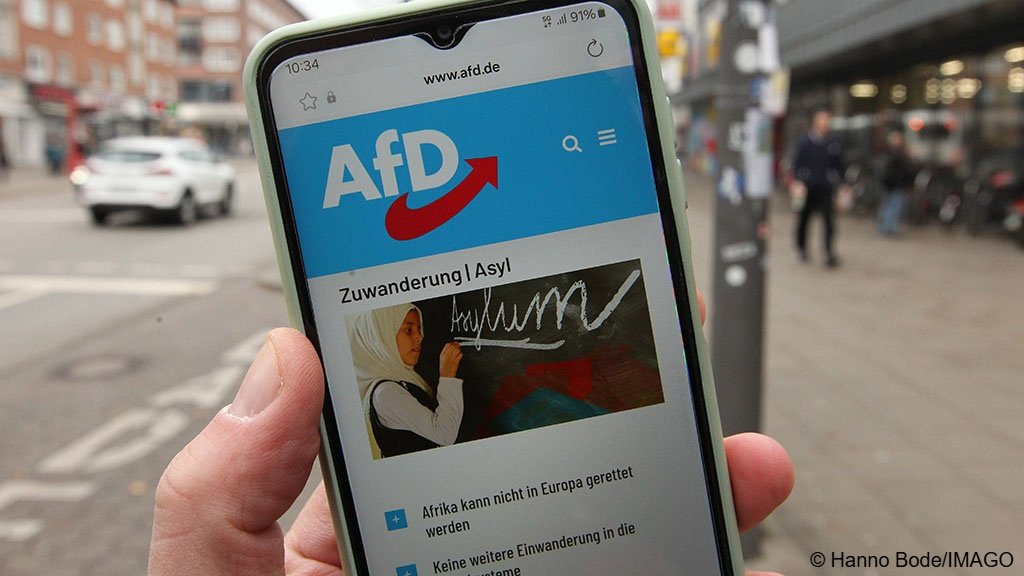
If this were to happen, this would be a first in Germany that the AfD wins a majority big enough to rule, since in most other states, although they have sometimes won the highest proportion of votes, a "firewall" set by the other parties has meant that no one will enter into coalition with them.
Migrants in Halle and Saxony-Anhalt reportedly fear the AfD taking power, saying they would leave the state if that were to happen. A network of 110 migrant organizations and activists recently called on the leaders of all the eastern German states to underline their support of migrants and make a clear stand against racism, reported Germany’s national public radio broadcaster Deutschlandfunk.
Read AlsoAnti-immigration politics contribute to racism in Germany
'Security first'
The head of the Heidebad, Mathias Nobel, told dpa that the checks were introduced after lifeguards had to rescue a toddler who was struggling in water 1.3 metres deep, raising concerns about whether some visitors had understood safety instructions. Nobel said that "German is spoken at our entrance, if it becomes apparent at the entrance that there are communication problems, we decide on a case-by-case basis how to proceed."
On the park and pool’s website, a new notice has been put up stating: "Everyone is welcome". The welcome is repeated underneath, followed by "security above all," and "be respectful because it brings us together."
Clicking on the picture takes you to a page where the owner of the lake swimming area, Mathias Nobel, says that the pool operators "haven’t introduced any new rule," but that they just wanted to make sure that everyone respects the rules and security measures at the swimming pool. The statement makes it clear that "every person is welcome to use the Hediebad facilities." They say that Heidebad has stood for many years for "openness, diversity and full respect for every human being. Irrespective of someone’s roots, nationality or mother tongue, every guest is welcome," reads the statement in bold.
According to the swimming pool operators, more than 50 percent of the pool guests have an "international background," and that for them is "taken as a given and as something that enriches the experience at the pool."
The pool goes on to make it clear that it is not about how much German you know or trying to create "language barriers" but it is just whether or not you can understand the "security relevant information."
Read AlsoBuilding new lives in Germany: Volunteers empower migrants
Deep water and dangers
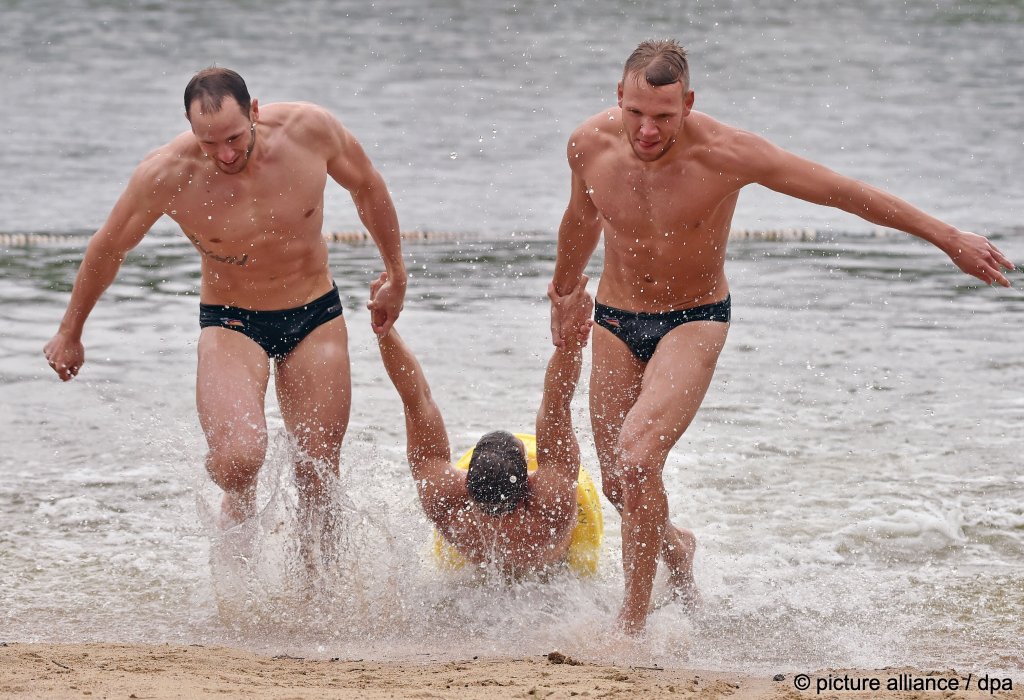
They underline that the pool is a natural entity, with "deep water" and sections reserved for those who can and can’t swim. There are also several "danger spots" that the security personnel have to make sure are understandable. The pool operators say their responsibility is to keep every guest safe, and in particular children and those who can’t swim.
"Our aim is not to shut people out; our aim is to avoid accidents and to make sure that every visitor to our facility has a safe and unproblematic time here. That is why we take our responsibilities seriously and set the rules accordingly."
At the end of their statement, they once more underline that the swimming pool "remains a place for people from many different countries and cultures. We are pleased to welcome every guest who wants to respect our rules and who behaves in a safe, friendly and respectful way to the other guests present."
Read AlsoIntegration to emigration: Why do migrants leave Germany?
Demonstration reportedly planned for Saturday
The city of Halle has offered to provide safety rules in several languages at the bathing facility, to help solve the communication difficulties and guarantee the safety and health of all bathers, dpa reports. "Possible assistance could therefore be aimed at all those who cannot read or who do not speak German for various reasons. These could include pictograms, translations, or QR codes with multilingual content," said Bock.
A demonstration is planned against the "controversial rule" for Saturday (June 27), stated a local news portal, "Du bist Halle.” The protest would be against "racism" and "right-wing policies" and would feature a queer-feminist choir.
On Wednesday night, the entrance to the pool buildings was taped up with a sign reading "closed due to racism," reported the news portal.
This is not the first time that German swimming pools have hit the headlines in relation to a conflict between German culture and society and migrants. In past summers, reports of groups of young men, often reported to have what Germans refer to as a "migration background", allegedly harassing other bathers, including touching other bathers or cat-calling, have led to similar disputes and problems for those who run the bathing facilities.