
He's one of the breakout stars of the World Cup: Deniz Undav, the first German international with Kurdish and Yazidi roots. After three goals in two games, Undav doesn't only have supporters of the German national team believing in the next title, he has also become a role model for many Kurds and Yazidis in Germany and beyond.
When Deniz Undav was subbed in during Saturday's World Cup game against Ivory Coast with 30 minutes left to play, the German squad was trailing 0-1 in its second group stage match and was facing a serious setback.
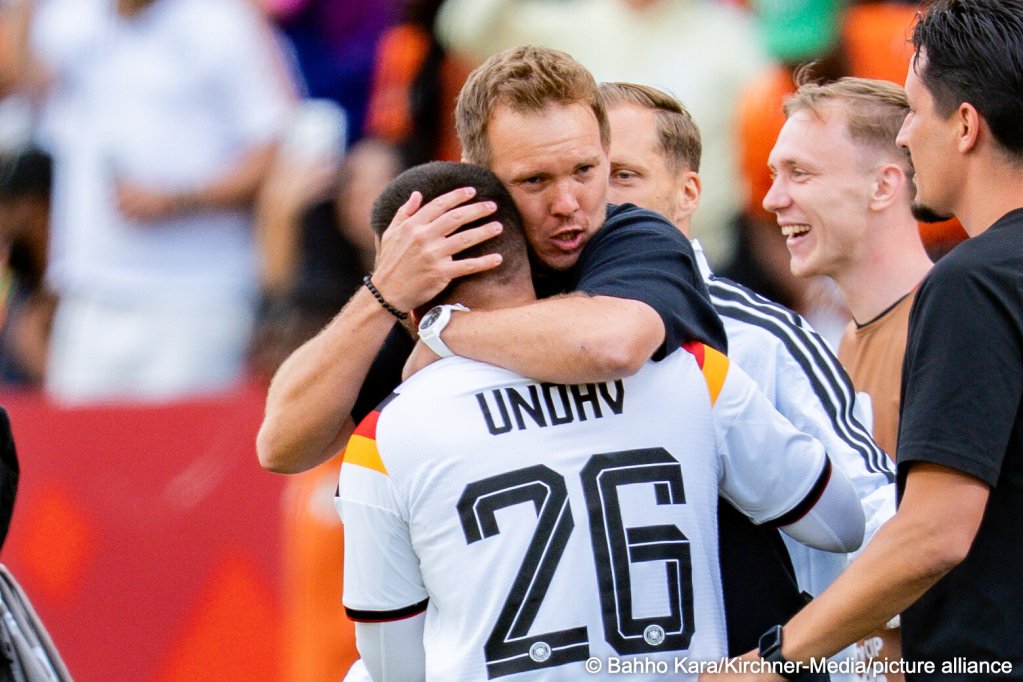
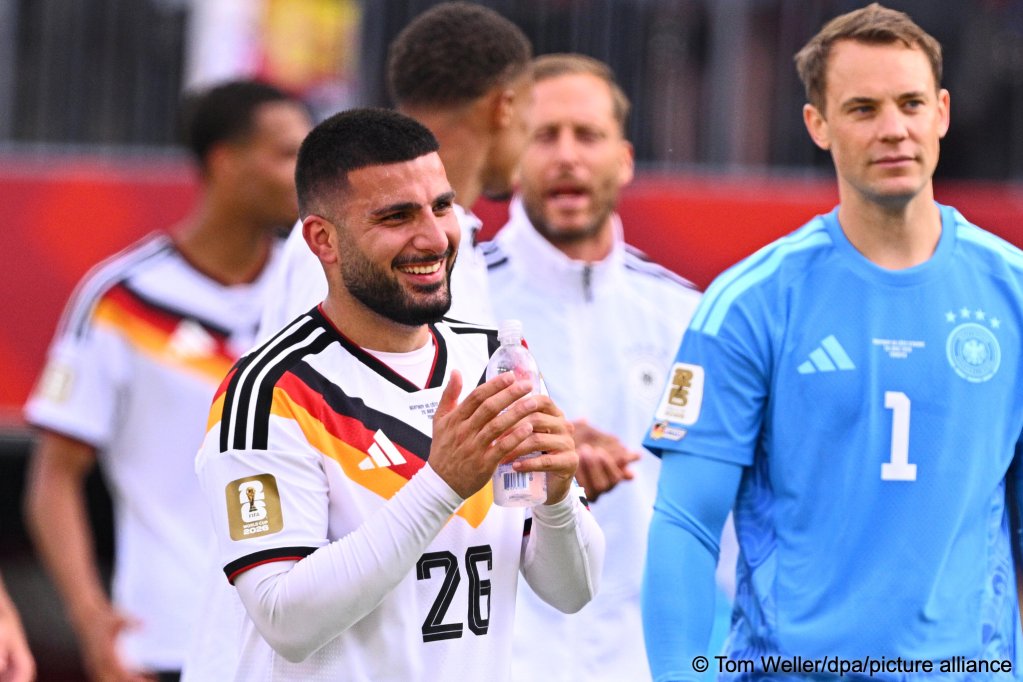
35 minutes later, Undav netted his second goal of the game, causing the stadium to erupt and Germany's number 26 to disappear into a sea of white, black, red and gold jerseys. His goals ultimately helped the team clinch a spot in the next round of the World Cup, the coveted knockout phase.
"We want to achieve the most and the most is the title," Undav said, his player of the match trophy at his side. "We will do everything for it."
With three goals and two assists at this World Cup, Deniz Undav is the name on every soccer fan's lips right now. Even before he had stepped onto the pitch, German fans in the stadium chanted Undav's name, loudly demanding his substitution.
But the 29-year-old has become a lot more than just a fan favorite and a darling of the public: As the first German international with Kurdish-Yazidi roots, he has not only become a role model for Kurds and Yazidis, he has also put a spotlight on the religious minorities, both of which have long faced discrimination, persecution and displacement.
Having a player like Deniz Undav at the World Cup is a "historic moment," says Düzen Tekkal, a prominent Kurdish-Yazidi human rights activist, journalist, social entrepreneur and political scientist.
"We are talking about a group of 40 to 50 million [Kurdish] people that have no country of their own, and thus no national team of their own," Tekkal told InfoMigrants. "And the fact that the [Yazidi] religious community -- one that has been so tormented and still suffers the aftereffects of a genocide -- has a representative, an ambassador now playing for the German national team, means so much more than just scoring goals."
Read AlsoFrom 'feeling dead' to finding 'inner peace' – traumatized Yazidis build a new life in Germany
Symbol of hope and aspiration
In the eyes of many Kurds and Yazidis, Undav represents the opportunities Germany offers to people who have found protection and a future, says Mehmet Tanriverdi, deputy national chairman of the Kurdish Community Germany. He is a positive symbol of integration, one that can offer more recently arrived migrants a similar path to belonging.
"His story conveys the important message that one's background or social circumstances do not have to be an obstacle to success," Tanriverdi told the KNA news agency on Monday (June 22).
In a comment under one of Undav's Instagram posts, a person identifying as a Kurd expressed his emotions like this: "I had tears in my eyes. Not just because of your success in the German jersey, but because you showed that dreams can come true and that a single person can bring hope, pride and joy to their people."
Born in 1996 in Lower Saxony to Kurdish parents of the Yazidi faith who came to Germany as refugees from Turkey, Undav grew up with four siblings. His father reportedly worked multiple jobs to provide for them. "He came to Germany with nothing and built a life for himself," Undav recently told the German Soccer Association. "I take my hat off to him for that. I don't think I could have done that."
According to Tanriverdi, Undav's family history is similar to that of many Kurdish families, which is why Undav's sporting success has made him a symbol of the hopes and aspirations of Kurdish communities and for young people in general.
Tanriverdi also noted that Undav identifies with both Germany and his Kurdish roots. "In doing so, he shows that a connection to one's own heritage and identification with Germany are not a contradiction."
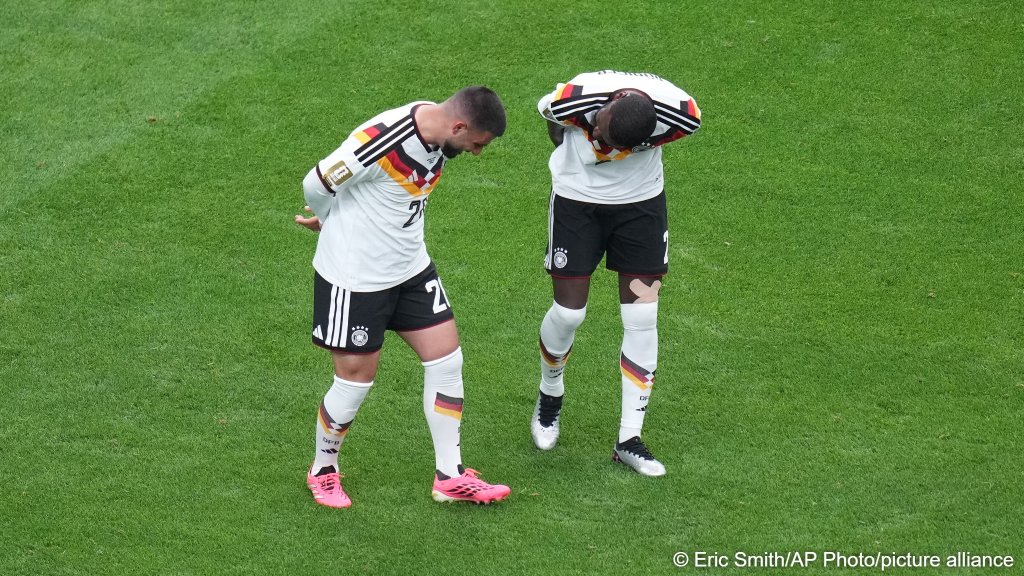
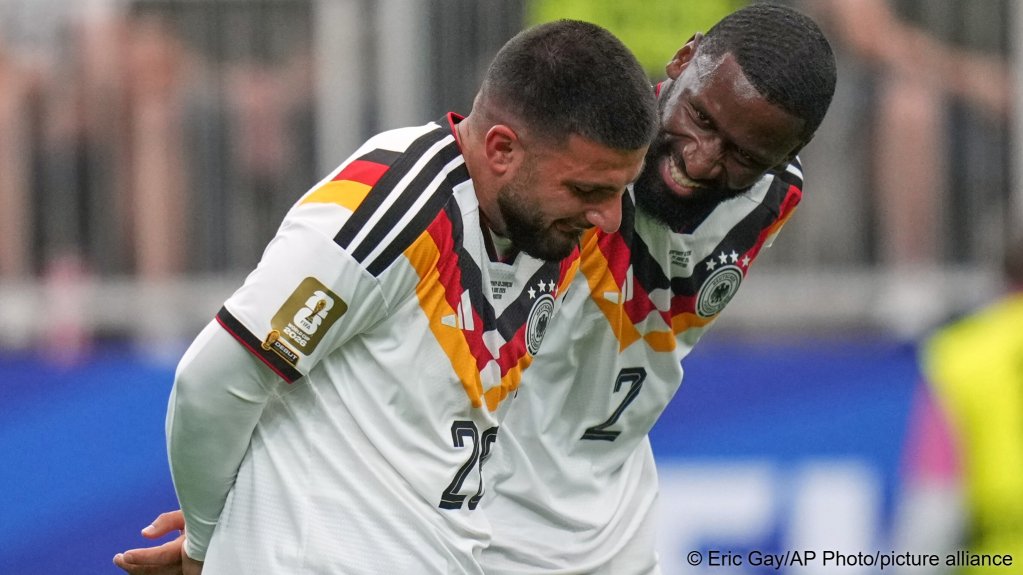
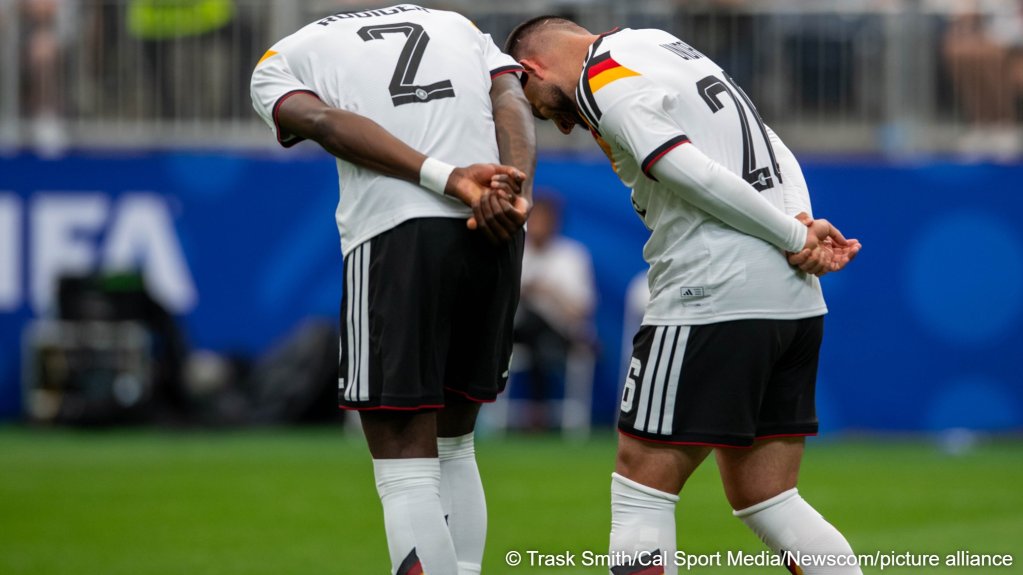
Although Undav is not someone who makes a big deal of his roots publicly -- nor the type to form prayer circles on the pitch like Nigerian-German teammate Felix Nmecha -- he does celebrate his Kurdish-Yazidi identity publicly from time to time, as demonstrated by the dance he performed after scoring in Germany's 7:1 victory against Curacao.
Tekkal, whose parents came to Germany from Turkey in the 1970s after being persecuted as Kurds and part of the Yazidi religious community, sees the dance as an "expression of cultural identity" and a "political act".
'Players should be judged based on their athletic performance'
At the same time, Tekkal warned against double standards when evaluating the performance of athletes with a migrant background.
"I caution against demanding exceptional achievements from them as a prerequisite for being considered a full-fledged member of society," the founder of human rights organization Hawar.help and nonprofit GermanDream told InfoMigrants. "No one should have to be a player on the German national team just to be accepted."
Cahit Basar, secretary-general of the aforementioned Kurdish Community Germany, echoed Tekkal's warning: While success is often celebrated as a symbol of successful integration, failure often invites an overemphasis of players' backgrounds, he told KNA.
"National team players should be judged based on their athletic performance -- regardless of whether their family roots lie in Germany or elsewhere," Basar explained.
Remarkable rise, spectacular stats
Deniz Undav's journey to World Cup hero has been a long and winding one.
Six years ago, Undav was still playing for a third-division club, at an age when his teammates had already progressed through all the youth teams of the German Soccer Association. It wasn't until the 2021-22 season, when he started playing for a second-league team in Belgium, that his career took off. From Belgium, he moved on to the Premier League and then signed with German Bundesliga team Stuttgart. He only became a national team player in March of 2024, aged 27.
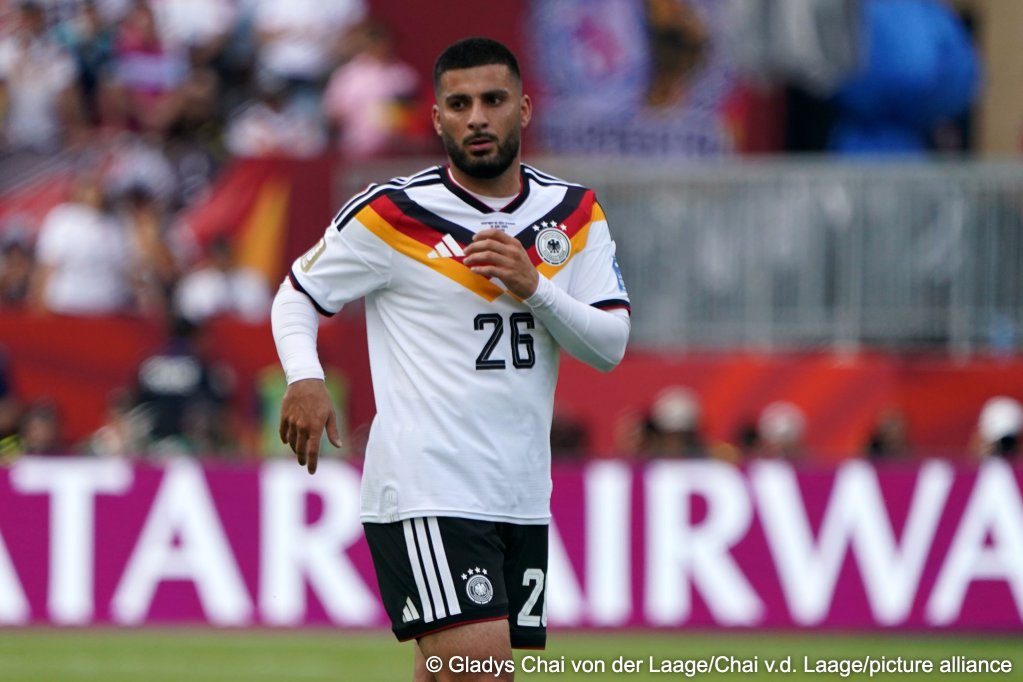
Since then, his goal-scoring rate has been astonishing: In his last eight matches for Germany, he scored nine goals -- or one goal every 57 minutes. This year, he has even been involved in a Germany goal for every one of his 23 minutes of play.
Aside from his outstanding scoring rate and his first-rate instincts as a striker, it's been Undav's relatable underdog story in combination with his candid, self-confident -- and sometimes mischievous and rebel-like -- manner that has earned him popularity and street credibility among fans and immigrant communities alike.
Diversity as a reality check
Undav is one of 14 players representing Germany this summer who have a migration history -- eight of them with African roots --, which, represents 54 percent of the team and is more than double the share at the European Championship two years ago, according to a migration media service analysis.
The proportion is also significantly higher than in Germany's general population, of which 31 percent had a migration background last year.
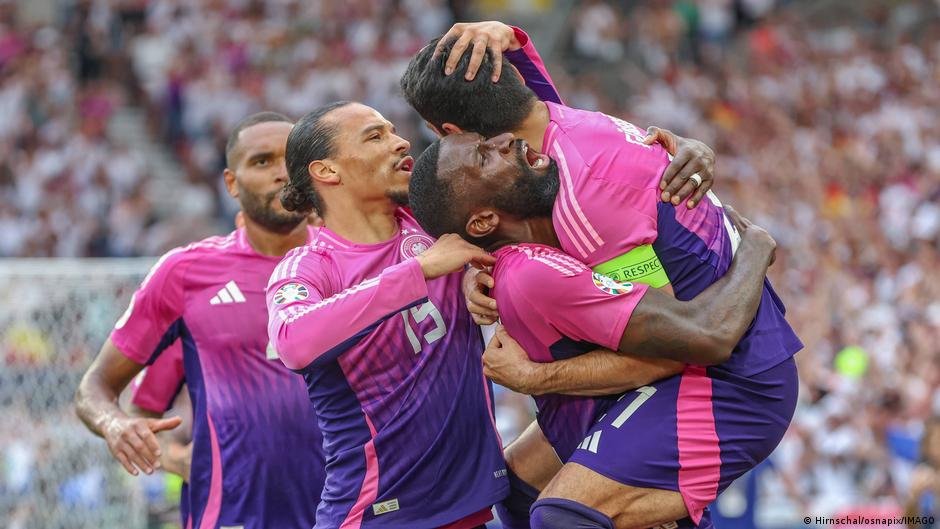
Cahit Basar from the Kurdish Community Germany hopes that Undav's success serves as a reminder that Germany has long been a country of immigration, with its strength lying precisely in its diversity.
To activist and journalist Düzen Tekkal, the diversity of Germany's national men's soccer team is a reality check.
"We certainly do not see this kind of diversity in other areas -- neither in the business world nor in the current federal government, for instance," Tekkal told InfoMigrants. "And there are political forces in this country that want to turn back the clock even further," she adds, referring to the far-right AfD party, which has for years criticized the large proportion of German national team players with foreign roots.
In the buildup to Euro 2024, Germany head coach Julian Nagelsmann called out a survey that revealed that 21 percent of those asked wanted more white players on the national team. "A soccer team can be a role model of how to unite different cultures, religious backgrounds and skin color. It is good the way it is now," said Nagelsmann.
His bullish stance was noteworthy because of the widespread symbolic value and influence of the German team and soccer as a whole.
Read AlsoGerman parliament recognizes Yazidi 'genocide' in Iraq
Unapologetically Yazidi and Kurdish
While Undav, who is one of approximately 250,000 Yazidis in Germany -- the world's largest Yazidi diaspora community --, isn't known for making overt political statements, his open embrace of his Kurdish-Yazidi identity meant having to face occasional abuse during his career.
During a Euro 2024 press conference, for instance, he was asked why he had chosen to represent Germany instead of Turkey, for which he was also eligible. Undav's reply -- "first of all, I am Kurdish" -- triggered a backlash in Turkey and calls for revoking his Turkish citizenship.
Last October, during a Europa League match against Fenerbahce in Istanbul, sections of the crowd reportedly called him "traitor", "homeless dog", "terrorist" and other insults.
The largest ethnic and linguistic minority in Turkey, Kurds have long suffered political repression by the Turkish government, including systemic suppression of their identity, the outlawing of Kurdish political parties, and the imprisonment of elected officials. Kurds have settled in Germany beginning in the 1960s, initially as guest workers and later primarily as asylum seekers.
Over the years, Yazidis also sought refuge in Germany in large numbers, first fleeing religious persecution in Turkey during the 1990s and then the Islamic State (IS) terrorist group in Iraq during the 2010s. Starting in 2015, more than a thousand traumatized members of their community arrived in Germany via two special humanitarian reception programs from Iraq.
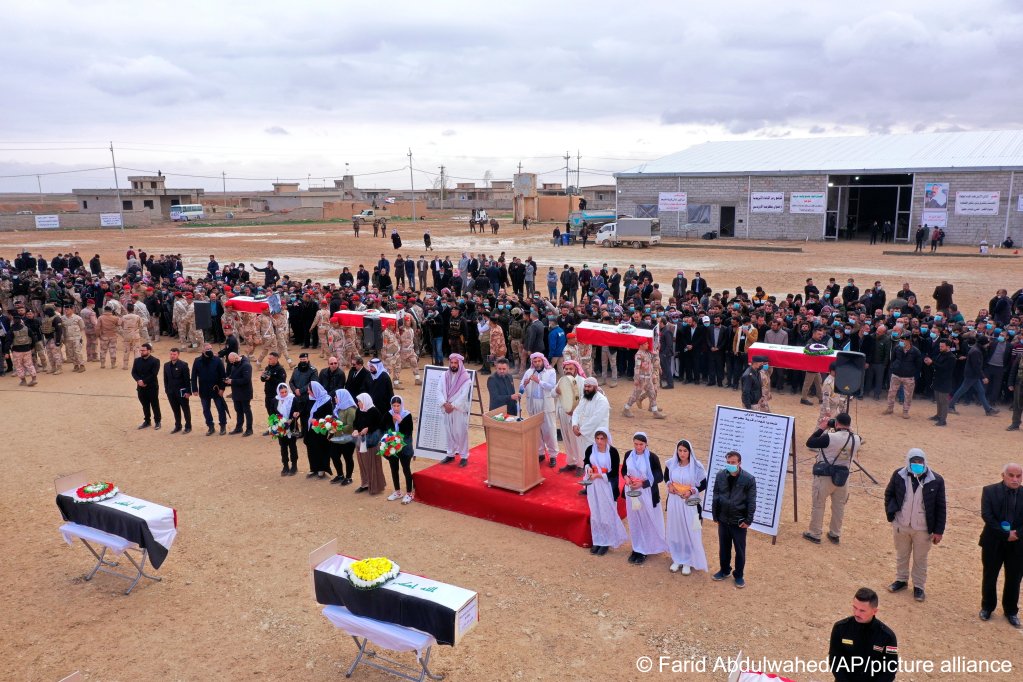
The Yazidis are an ancient religious minority among the Kurds. Worldwide, the monotheistic community has several hundred thousand members, with most of them located in northern Syria, northwest Iran, southeast Turkey and, primarily, in northern Iraq.
During the 2014 atrocities at the hands of the IS now widely considered genocide, more than 5,000 people were killed and 7,000 were forcefully removed or abducted. Girls and women in IS captivity were subjected to rape and other ordeals. At least 2,500 women and children remain missing to this day.
Yazidi human rights activist Düzen Tekkal, whose extended family and relatives in Iraq were directly affected by IS attacks, said Undav's success on the soccer pitch is conducive to her people's "healing process."
"When Deniz scored those goals, we all stood a little taller," she told InfoMigrants.
with KNA