
The bodies of 11 people, believed to be migrants, have been washed ashore from last week's shipwreck off Libya, bringing the known death toll to at least 26. Separately, Libya's eastern government has reportedly banned entry of nationals from four eastern African countries.
Eleven more bodies of migrants were discovered on eastern Libyan shores in recent days after their boat capsized last week. The number of recovered bodies now stands at 26, with dozens more feared perished at sea, news agency Reuters reported on Tuesday (June 23) citing medical and security sources.
The additional 11 bodies have been found since Sunday (June 21) when the body of a woman was recovered, according to Reuters.
Last week, at least 15 dead migrants were recovered along the coastline of Tobruk, a city near the Egyptian border. Among the bodies found was a girl. Survivors reported that their vessel was carrying about 61 people before it got into difficulty, Reuters reported citing a navy source.
In a Facebook post, the Tobruk Coast Guard shared photos depicting search and rescue personnel and Red Crescent volunteers recovering the bodies, wrapping them in white cloth, and loading them into vehicles. Some of these pictures were also distributed via the picture agency picture alliance.
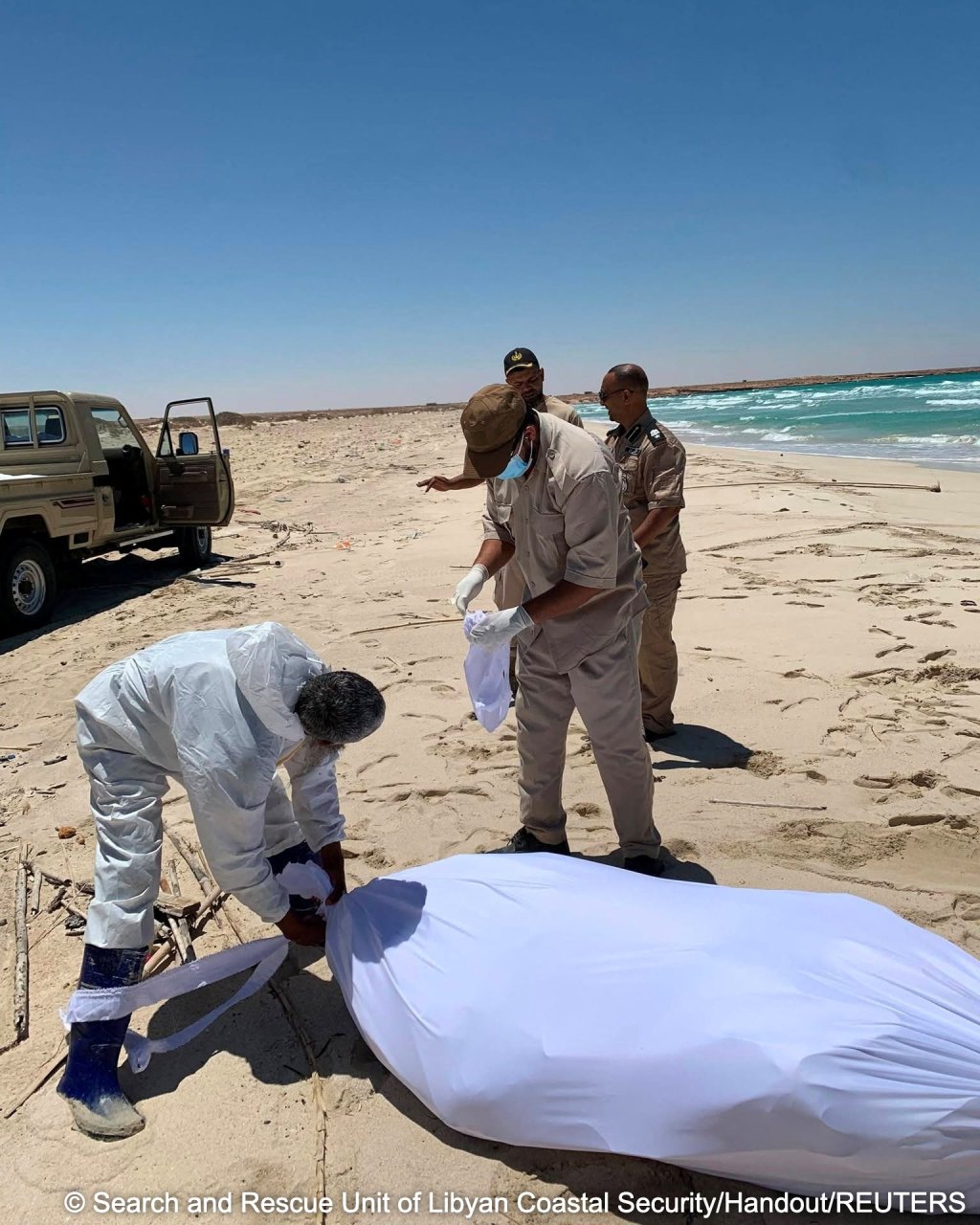
Decomposing bodies
The bodies were all decomposed, Reuters reported citing a medical source, with another medical source saying that "all the bodies were buried on the same day or the day after the recovery due to bad odors and the disappearance of the bodies' features."
A security source added that security patrols are continuing along the Tobruk coast in case more bodies wash ashore.
The Central Mediterranean route from Libya and Tunisia to Europe remains one of the deadliest migration corridors in the world. Earlier this month, the Italian coast guard recovered the bodies of 10 migrants after their boat capsized near Malta. Officials said they had ascertained that the migrant vessel had departed from Libya with around 60 people on board.
In late April, at least 17 people reportedly died after their boat broke down off Tobruk in eastern Libya.
According to the UN, at least 863 migrants have died or gone missing so far this year on the Central Mediterranean route, up from 544 during the same period last year. The figure for the respective period in 2024 was 941.
Read AlsoIn eastern Libya, 'the financial profits generated by migrant trafficking are very significant'
Libya's eastern government bans entry of certain nationals
Meanwhile, Libya's eastern-based government on Tuesday (June 23) banned nationals of four African countries from entering the country, according to Reuters.
The decision was due to a "reorganization of foreign nationals' entry to Libya", Reuters reported citing a government source.
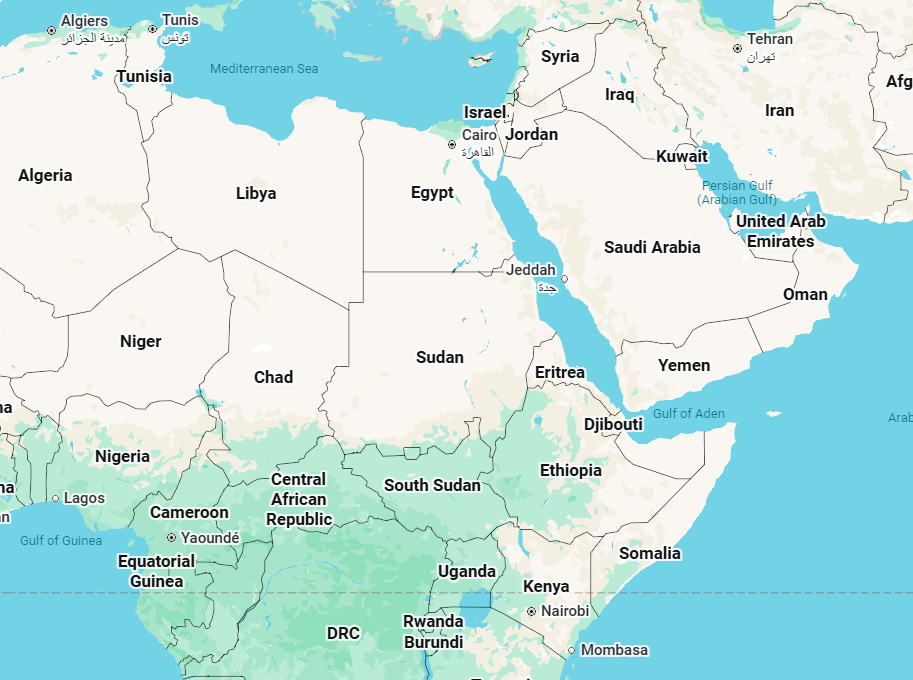
"Citizens of Sudan, Eritrea, Ethiopia and Somalia are prohibited from entering Libyan territory through all land, sea, and air ports," a decree by the eastern government in Libya's second-largest city Benghazi reportedly read.
Sudan, Eritrea, Ethiopia and Somalia are all located in (North)east Africa and near or in the Horn of Africa.
An eastern-based government source told Reuters that the decision is aimed at "reorganizing foreign nationals' entry to Libya."
Diplomats, consular staff, and their families from these four countries are reportedly exempt from this ban.
Workers in education, medical and health professions are also exempt, according to Reuters -- provided they obtain the necessary approvals and valid work contracts from relevant authorities.
Over the past decade or so, the country became a key transit route for hundreds of thousands of migrants fleeing conflict, poverty and insecurity across Africa, parts of the Middle East and other areas and countries including Bangladesh. Some arrive in Libya to work, but many arrive hoping to cross the Mediterranean to Europe.
Nearly one million migrants are living in Libya, a significant share of the population, according to IOM estimates from early 2026. Less than 8 million people live in the vast north African country, according to World Bank data for 2024. Around 36 percent of the migrants and refugees in the country are believed to be from Sudan.
Trapped in a cycle of abuse and exploitation
Libya was plunged into turmoil following a 2011 NATO-backed uprising against longtime dictator Muammar Gaddafi. Since 2014, the country has been split between western and eastern factions, with rival administrations governing from Tripoli and from Benghazi, each backed by militias and foreign powers. As a result of the political chaos, human traffickers have been thriving for years in the fragmented power vacuum.
Read AlsoLibya convicts former prison director accused of torture and cruelty
The Benghazi-based government of Osama Hammad is allied to military commander Khalifa Haftar, who controls the east and large areas of southern Libya, Reuters reported. The Tripoli-based government of Abdulhamid Dbeibah, on the other hand, is internationally recognized. Dbeidah reportedly came to power through a UN-backed process in 2021.
Although authorities in Libya have recently bolstered efforts to dismantle human trafficking and smuggling networks amid growing international concern over irregular migration flows across the Mediterranean, trafficking and smuggling networks adapt and instability endures.
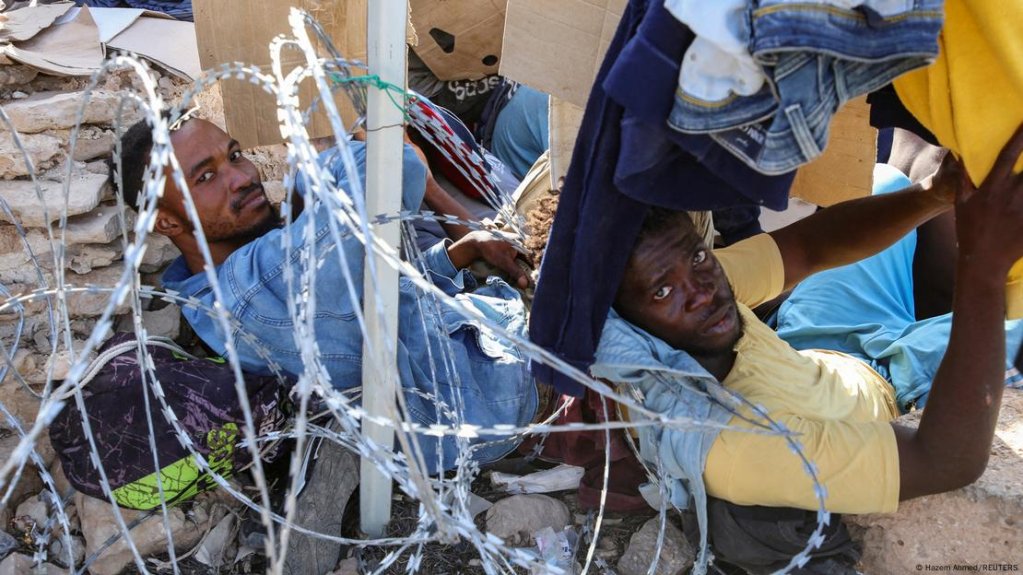
With poor security throughout the country, many migrants in Libya remain trapped in a cycle of abuse and exploitation on land as well as life-threatening journeys at sea.
Those intercepted and returned by the Libyan coast guard are often placed in detention centers, some of which are run by smuggling gangs and other criminal organizations. The situation at these facilities is reportedly far worse than at official facilities, with sexual assault, slavery, extortion, torture and murder recorded across the board.
with Reuters