
Visas have been issued to a Taliban delegation for talks with the European Union on the subject of returning rejected migrants to Afghanistan. It was reported that the talks took place on Tuesday (June 23).
A Taliban delegation arrived in Brussels on Tuesday (June 23) for talks with European Union officials about the return of Afghan nationals whose claims for international protection were rejected. The visit is the first time the EU will host Taliban representatives since the group took back control in Afghanistan.
Belgian officials did not disclose details of the visit ahead of it taking place, citing security concerns, however, on Tuesday (June 23), the French news agency Agence France Presse (AFP) reported that it had taken place.*
Facing heavy criticism, the Belgian government said that the visas were issued after security assessments showed no evidence of the Taliban members posing a security threat. Additionally, other restrictions on the visa issuance reportedly included: entry limited only to Belgium, not the wider Schengen Area, and are valid for a single day.
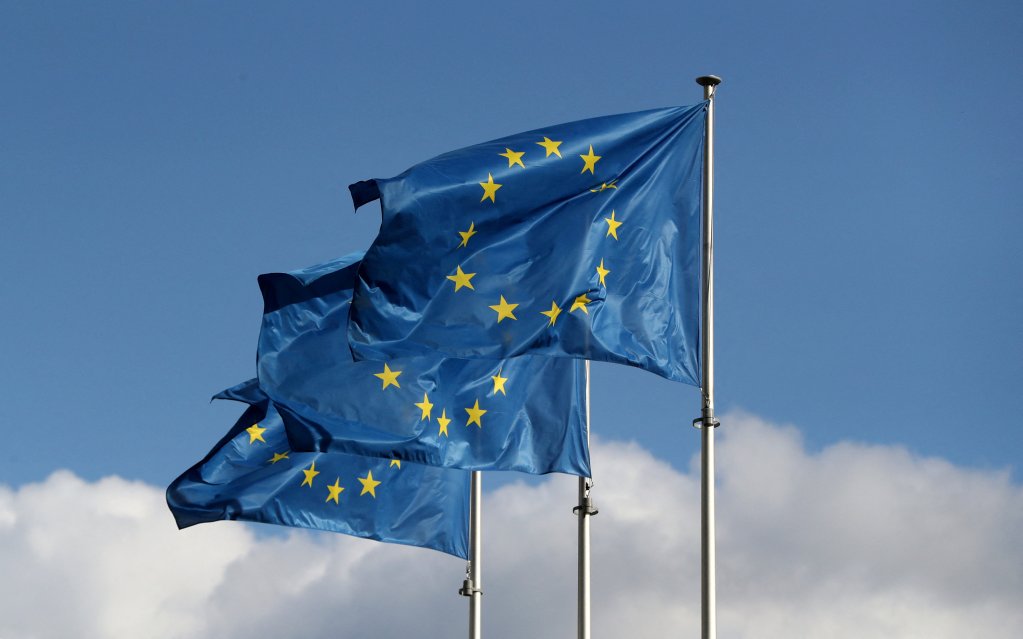
Media reports cite Belgian Foreign Minister Maxime Prévot saying that the initiative was linked to Belgium's role as a host country for EU institutions.
Addressing the press in April when the timing of the meeting with the Taliban had yet to be confirmed, European Commission Spokesperson, Markus Lammert, stressed that the technical migration discussion was "about persons who have no right to stay in the Union and who pose a security threat." Lammert underlined that meeting with the Taliban about returns did not constitute an official recognition of the Taliban by the EU or its member states.
Read Also
EU to invite Taliban officials to Brussels to discuss deportations
Intense criticism
The International Federation for Human Rights (FIDH) slammed the meeting, warning that it would consolidate and normalize the Taliban’s systematic attack on fundamental rights since it took back power in August 2021.
Since then, numerous reports by media and international rights watchdogs have documented how women and girls have been almost entirely excluded from public life. In addition, rights defenders that include independent journalists and former public officials have faced intimidation, harassment, attacks and arbitrary detention.
"Inviting the Taliban for talks on EU soil provides a form of political legitimacy to an undemocratic regime that is responsible for gender-based persecution and other grave human rights violations under international law," Alexis Deswaef, FIDH President, said in a statement.
Any arrangements aimed at involuntary returns of Afghans to Afghanistan would expose the EU and its member states to the risk of violating their obligations under international refugee and human rights law, the FIDH statement added.

A May investigation by the German broadcaster ZDF Magazin Royale indicated that deportations of Afghan nationals were facilitated through several meetings between Taliban representatives and German authorities, raising concerns about the implicit legitimization of the group, which functions as Afghanistan’s de facto government.
Read AlsoGermany: More deportations to Afghanistan raise criticism over collaboration with Taliban
Wanted by the International Criminal Court
In 2025, the International Criminal Court (ICC) issued warrants of arrest for Haibatullah Akhundzada, Supreme Leader of the Taliban, and Abdul Hakim Haqqani, Chief Justice of the Taliban, who was cited as having exercised de facto authority in Afghanistan at least from August 15, 2021.
In the statement, the ICC said that it considered the Taliban as having "implemented a governmental policy that resulted in severe violations of fundamental rights and freedoms of the civilian population of Afghanistan, in connection with conducts of murder, imprisonment, torture, rape and enforced disappearance."
On June 16, FIDH submitted a criminal complaint to the Belgian Federal Prosecutor concerning the planned visit of the Taliban delegation.
Read AlsoUNHCR head condemns deportations to Afghanistan
*This article was updated late on Tuesday (June 23) to reflect the fact that the talks are reported to have taken place on Tuesday. Earlier we had reported they were expected this week.