
Ahead of World Refugee Day (June 20), UN organizations and rights groups have been expressing their hopes and fears in the wake of the European Union's introduction of its new migration and asylum pact last week.
Ahead of World Refugee Day Saturday (June 20), United Nations officials have reiterated their support for the recently passed European Union Migration and Asylum Pact as an important step toward a more "coherent and effective migration system" while drawing attention to the multiple factors that contribute to displacement and migration.
In a joint statement, the UN Refugee Agency (UNHCR), and IOM, the UN Migration Agency, welcomed the pact as an opportunity to move beyond crisis-driven responses and implement a more predictable, fair and effective approach to the issues across Europe.
"Migration is a European challenge which must be met with a European solution. One that is effective, fair and firm. This is what the Pact on Migration and Asylum delivers -- more secure external borders, solidarity between Member States and more efficient procedures for asylum and return," Ursula von der Leyen, President of the European Commission, said in a statement as the pact was introduced last week.
Despite the hopeful statements, the pact has begun its operation in the midst of a tense global situation.
Cuts in development aid budgets across the United States and Europe will also impact displacement in countries with emerging economies and those that are on the frontlines of the climate emergency, Amy Pope Director General of the United Nation’s International Organization for Migration (IOM) told Agence France Press during the Berlin Mobility Forum which ended today (June 19).
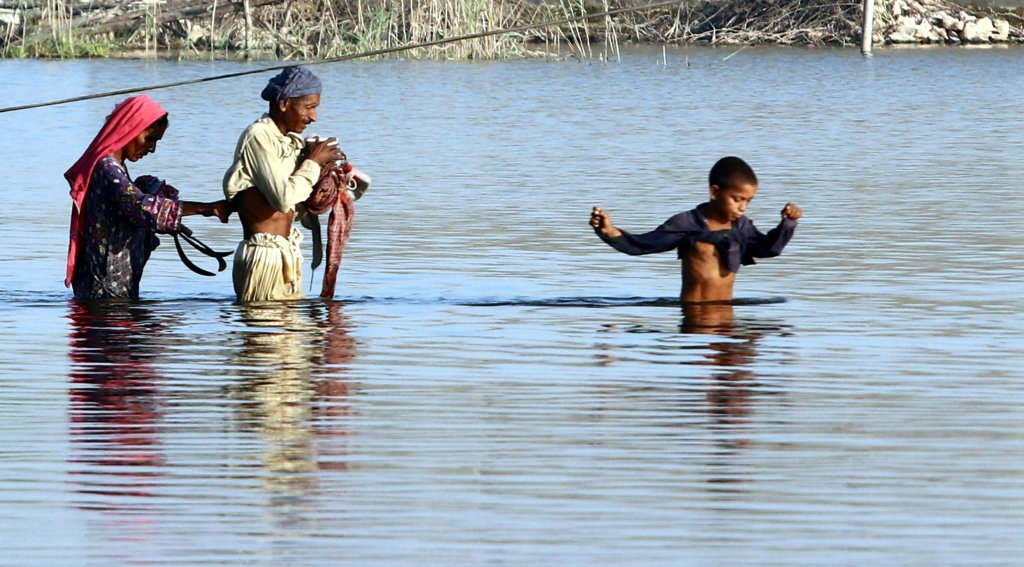
"Climate change is a risk multiplier, interacting with existing vulnerabilities such as poverty, inequality, rapid urbanization, demographic pressures, and, in some contexts, conflict and instability," Rania Sharshr, Director of IOM Climate Action told InfoMigrants.
Most climate-related mobility today remains internal or regional, stressed Sharshr. This means that people are far more likely to move within their own countries or to closer neighboring countries than across continents.
However, "we can expect growing mobility pressures within affected regions, increased urbanization, changing labor migration patterns, and in some cases secondary movements that may reach Europe [too]," Sharshr added.
Read AlsoLibya: Climate change pushes migrants toward new routes
EU Migration and Asylum Pact
The EU Migration and Asylum Pact was adopted on June 12, overhauling how the European bloc manages its borders, processes applications for international protection, and attempts to level out the responsibility for sharing migration management across member states, to take away the burden from frontline arrival states, mostly at Europe's margins.
However, the pact continues to draw sharp criticism from rights groups. More than 275 German organizations and sea rescue organizations released a joint statement on Friday, ahead of World Refugee day, entitled, "Memorandum for Strong Refugee Protection," warning of an escalating crisis in the rule of law due to, effects they attribute to EU migration policy.
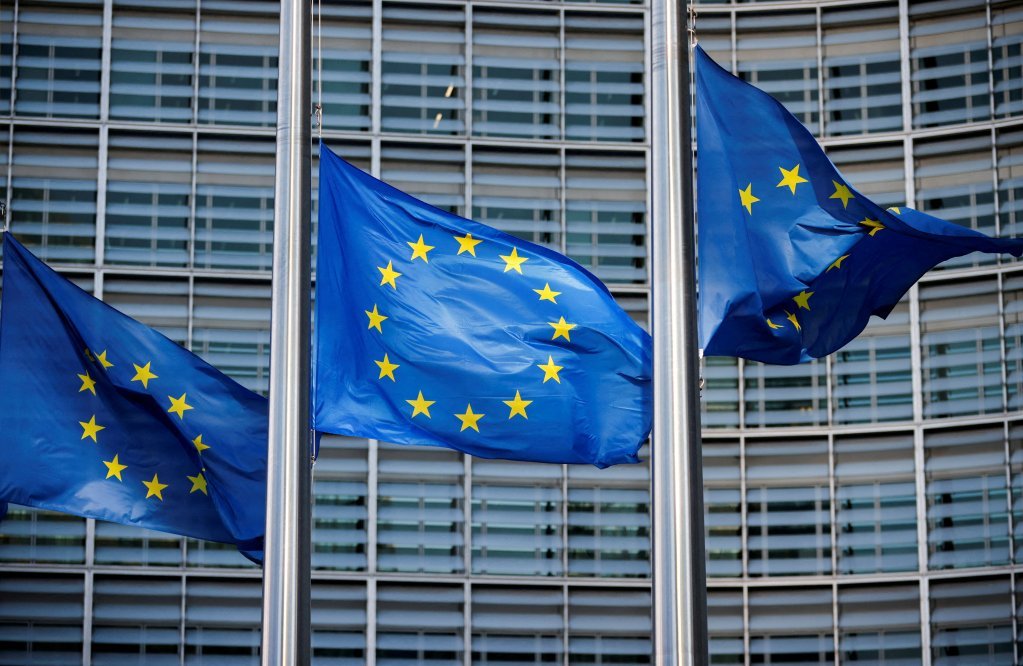
"As we approach the 75th anniversary of the Geneva Refugee Convention, we must acknowledge that the individual right to asylum in Europe is under attack," Marie Michel, a policy expert at SOS Humanity, said in a statement.
Citing the experience of the SOS Humanity crew while conducting sea rescue operations, Michel said, "For years, the crew aboard our rescue ship, Humanity 1, has witnessed violations of international law committed by EU-backed Libyan militias in the Mediterranean. These violations are a direct consequence of the externalization of EU border management."
SOS Humanity shared the testimony of Raheem (name changed to protect him) from Sudan, one of the migrants who was rescued by the crew aboard Humanity 1. The humanitarian organizations underline that many of these experiences that migrants are subjected to in Libya is being made worse because of support given by the EU to the Libyan authorities to help them manage migration. The rights organizations regularly denounce the fact that migrants are often intercepted at sea by the Libyan coast guard or other militias operating in the area and brought back to Libya and often imprisoned and extorted before perhaps being allowed to board another boat.
"In Libya, I was subjected to detention, violence, beatings, and every form of injustice and oppression. I boarded another boat and set out across the sea for the third time. I had decided that I had to reach Europe — the place where human rights are upheld and where all members of society are respected, regardless of differences in skin color, religion, or ethnicity," Raheem told SOS Humanity.
Read AlsoWhat the new EU migrant 'return hubs' deal means in practice
Outsourcing border control
The European Union underlines that the money it provides to the Libyan authorities is to try and prevent deaths at sea. They also underline that they emphasize that all their partners should ground their actions in international and humanitarian law. However, humanitarian rescue organizations say that the EU has "outsourced" it border management to te Libyan coast guard by providing funding, equipment and training to them.
"We are aware of the debate regarding return hubs and other new approaches. Our position is that any measures must be grounded in international law, with strong safeguards, oversight, and full respect for dignity and rights," Lukas Gehrke, Director, IOM Global Office in Brussels, told InfoMigrants.
"For return systems to be both effective and humane, enforcement must be flanked by measures that support voluntary return for those not eligible to stay," added Gehrke.

According to data compiled by the IOM, more than 1,300 migrants crossing the Mediterranean have lost their lives or gone missing in the first half of 2026 alone. The actual figure is likely to be much higher, since many people may have disappeared without anyone ever knowing they set to sea.
"As sea rescuers, we witness firsthand what is at stake when [humanitarian rights] are disregarded. Our mission is to save people from drowning and to look where others look away. We stand for solidarity and human rights — both at sea and on land." Anna di Bari, Board Member of Sea-Eye said in a statement.
Organizations like Sea-Eye claim that tougher migration policies are disregarding some of these human rights, a charge that the EU strenuously denies. A spokesperson for the European Commission told InfoMigrants in January this year, in response to similar accusations about its work with Libyan authorities: "As we said many times, the European Commission is committed to working and cooperating with all key actors in Libya to address common challenges, including migration management. Our engagement in Libya has always been to support a comprehensive and rights-based migration management, including the protection of migrants, refugees and asylum-seekers in full respect of international standards and rules. This includes supporting the capacity of relevant Libyan actors to save lives and combat smuggling networks, including through enhanced coordination and operating procedures at sea in line with international standards. We support any initiatives that contribute to these objectives."
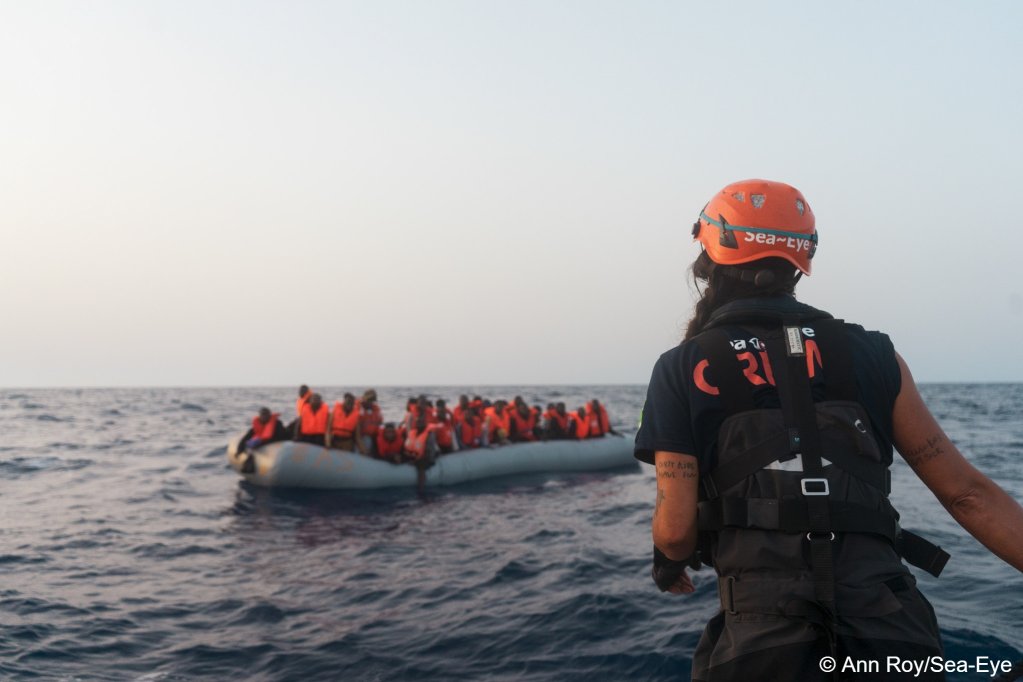
"Yet, 75 years later, these principles are coming under increasing pressure. When policymakers call the Geneva Refugee Convention into question, it is not only international protection standards that are severely undermined; the historical lessons learned from war, persecution, and displacement also risk being forgotten,'" added di Bari.
World Refugee Day marks the 75th anniversary of the Geneva Refugee Convention which was established in 1951 in the wake of the Second World War. The vision of the Convention was to ensure the fundamental rights of those seeking protection regardless of origin, religion, or political conviction.
Read AlsoGermany deports 32 Afghans to Taliban-controlled Afghanistan