
A local migrant support group in Belfast, Northern Ireland, says they have experienced an increase in volunteers wanting to help community members during the race riots that recently shook the city.
A migrant support group in Belfast is restoring hope and bringing together a community still reeling from the violence of the race riots that shook the city last week. Despite the fear experienced by many migrant families in the Northern Irish city, the organization says it has witnessed a strong sense of community spirit, with a significant rise in people volunteering to help those who feel vulnerable, isolated or afraid.
The group says it want to offer reassurance that there are far more people wanting migrants and people with migration backgrounds to feel welcomed and like a valued part of the community than there are people who were on the streets demonstrating or being violent.
As well as actions by organized groups, lots of individuals also decided to help and get involved.
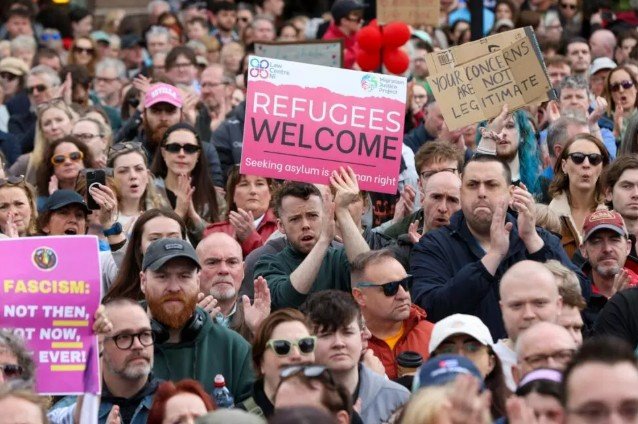
Read AlsoBelfast: Thousands denounce violence at anti-racism rally
What happened in Belfast?
Racially motivated violence erupted in Belfast following a knife attack on a Northern Irish citizen, Stephen Ogilvie. A Sudanese man has been charged with attempted murder and is due to appear in court again in July.
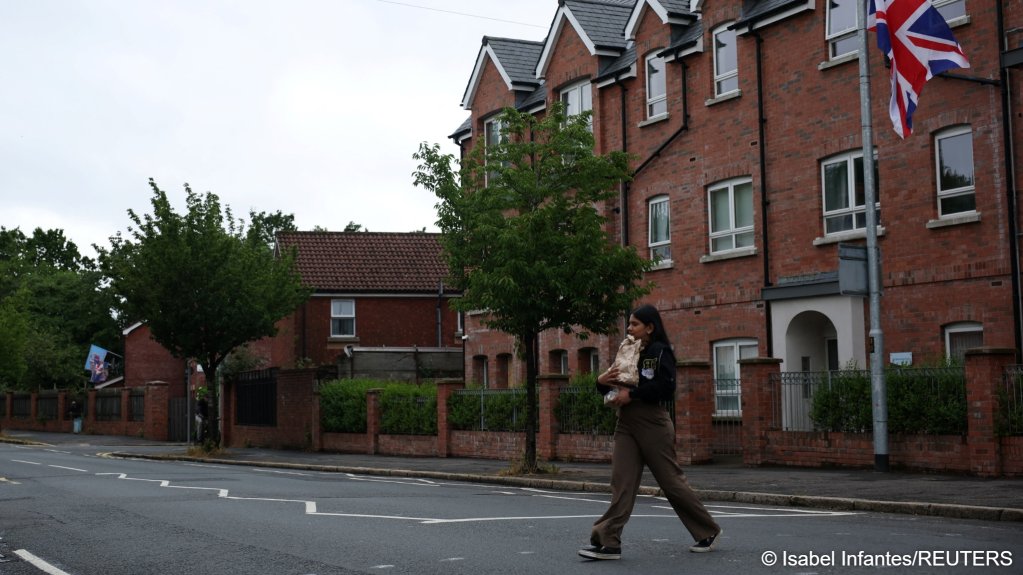
Within hours of the attack, footage of the incident spread across social media platforms, triggering calls for protests. Hundreds of people took to the street, homes and cars were set ablaze, while some Belfast residents have said they have been forced from their homes "because they are Black" or have a "different skin color."

But despite the violence, far more people want migrants to feel included and supported than want to see them driven from their communities, Nina Briggs, the head of the Migrant Workers Union in Northern Ireland stated.
Read AlsoAnti-migrant violence in Northern Ireland raises questions about peace in the region
Belfast residents open their homes to those in need
In an interview with the Belfast Telegraph, Briggs, said that her organization has helped hundreds of community members displaced during the rioting.
The migrant support group says it provides support to people regardless of their background, profession or immigration status, including asylum seekers. In an interview published on Friday (June 19) by the local paper, Briggs said community organizations across Belfast responded quickly to help those in need. Between them, they are believed to have found temporary accommodation for hundreds of people, with estimates ranging from 300 to 600 individuals.
Many of those seeking support were not directly targeted but felt unsafe in their neighborhoods or anxious about carrying out everyday tasks such as shopping for groceries, Briggs said. She also noted that the volume of offers from local residents far exceeded the number of requests for help. For every person seeking assistance, dozens of others came forward offering practical support, including helping with school runs (the term used in the UK for dropping off and picking up children from school), grocery deliveries and other forms of aid.
Though migrant communities in Northern Ireland have faced serious challenges and incidents of hostility, Briggs believes the reaction from the wider public has been overwhelmingly welcoming. She said Belfast's response stood out compared to other places where she has worked, pointing to what she sees as a particularly strong sense of community spirit across the city.
Briggs added that she has been struck by the lengths many residents have gone to in supporting friends, neighbors and colleagues affected by the unrest. Some people have opened their homes to provide temporary accommodation, while others have participated in demonstrations calling for an end to violence. Residents have also donated clothing and supplies, and contacted schools to raise concerns about students who may have missed examinations or struggled to attend classes because of safety fears.
Another woman, Eleanor, who is originally from England but has lived in Belfast for several years, told the Belfast Telegraph that though the riots have exposed a troubling side of the city, there is a need for greater public understanding of the experiences faced by migrants and asylum seekers. She believes increased education and awareness around the migration process and the challenges migrants face could help nurture empathy.
Food deliveries to those in need
Another woman living in the city, Ruchira Rangaprasad was featured in a series of pictures published by the news agency Reuters, delivering home made food to migrants and other people in fear following the stabbing and violence in the city.
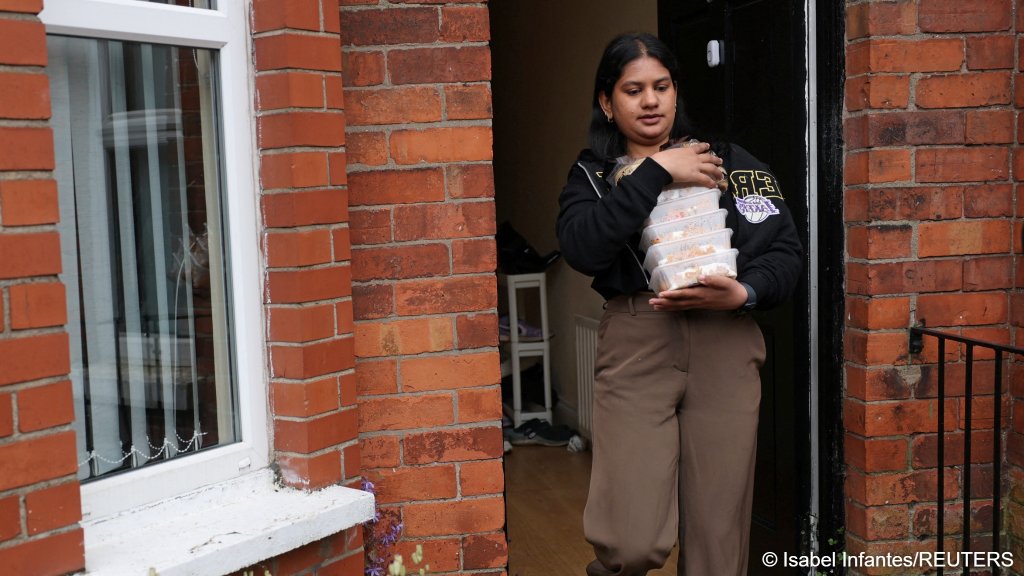
Rangaprasad moved to Northern Ireland from India three years ago. She told Reuters she had been inundated with offers of help after she started posting on social media that she would provide cooked meals to families.
She said more than 30 volunteers -- most of them strangers -- stepped forward to help distribute dozens of food boxes in the wake of the stabbing and riots, reported Reuters.
"People are scared to step out of their home, and food is like a basic need, and especially like nutritious home-cooked food ... so that's why I thought, let me cook and help feed people," Rangaprasad said.