
Last month, nearly 400 people were rescued in waters near Crete over a two-day period. A report by the Global Initiative Against Transnational Organized Crime revealed that a key factor driving up the number of irregular sea crossings towards the southern Greek island appears to be smuggling networks dropping their prices amid competition.
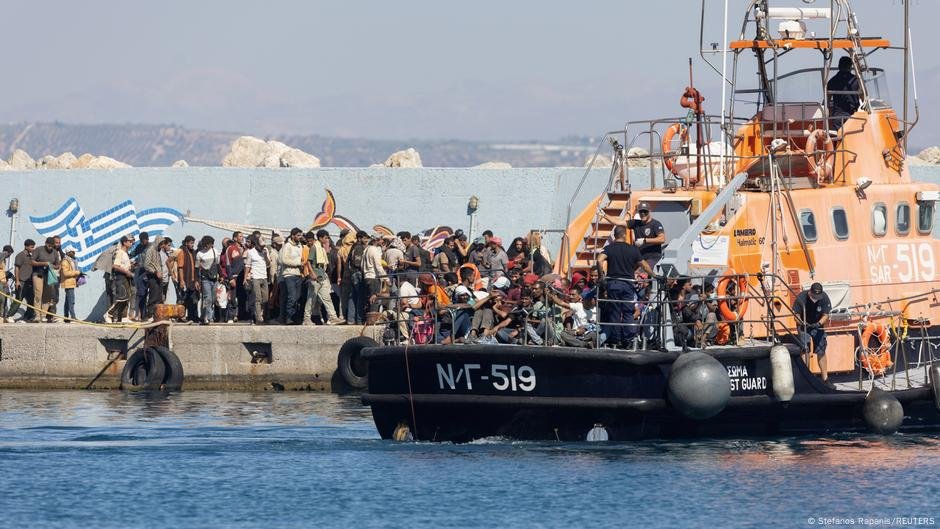
Fifty nine migrants were rescued about 46 nautical miles off southern Crete on Thursday (June 18), Ekathimerini, a Greek digital news site reported.
A Frontex patrol boat, along with three other merchant ships, reportedly picked up the passengers who were said to have made their way from north Africa.
On their website, the Hellenic Coast Guard also reported that on Monday (June 15), 38 foreign nationals had been rescued off Ierapetra, a municipality located on the southeast coast of Crete. Later this week, a 30-year-old Bangladeshi national who was among those rescued and had been admitted to the General Hospital of Chania, reportedly died. The Central Port Authority of Chania is conducting an ongoing investigation, confirmed the Greek Coast Guard in a press statement published on June 19.
Read AlsoGreece: Hundreds of migrants arrive in Crete
Reception centers opening in Crete
News of the latest rescue in the Mediterranean comes on the same day that the migration ministry announced that an abandoned warehouse complex on the outskirts of Iraklion on Crete is being explored as a new temporary reception and detention center for people irregularly arriving on the Greek islands.
The migration ministry, who described the center as a “hospitality and processing” center would be a closed center facility with irregular migrants not allowed out located about 10 kilometers outside the city center. People arriving irregularly will be registered and processed for two-three days before being transferred to other facilities in mainland Greece.
The center is expected to be ready to open by the end of July.
Local Greek media have reported that the scheduled opening has angered local residents in Iraklio. Picketers gathered outside the proposed site to protest its potential selection.
Ekathimerini reported that Iraklio Mayor Alexis Kalokairinos has asked Migration and Asylum Minister Thanos Plevris to consider the environmental and civil protection questions raised by local residents before opening the reception and detention facility.
Crete has seen an increase in migratory flows, with nearly 8,000 people arriving in small boats provided by smuggling gangs. The take off point for departure is mostly eastern Libya.
The Greek coast guard and European border authorities said they picked up nearly 400 migrants who were in waters near Crete over a two-day period last month.
A price drop in boat crossing fees
A report by the Global Initiative Against Transnational Organized Crime (GI-TOC) released last month revealed that a key factor driving up the irregular sea crossings could be that smuggling networks are reportedly scaling up operations.
The research group reported that a "small number of families" with a track record of transporting commodities—both illegal and commercial – across the ocean are behind the human smuggling operations.
These networks have reportedly expanded their business operations from moving goods into smuggling people across the waters. The ensuing competition has caused the prices to drop. Two years ago, boat crossings were cited as costing between 2,100 and 3,500 euros per person. This year reported fees took a nose dive, with a price tag now being anywhere from 340 to 1,450 euros.
The slash in prices is also seen as influencing other industries. More boats are now being built locally rather than being sourced from Egypt. Additionally, the number of migrants awaiting departure in nearby houses and apartments has increased.
Read AlsoThe Libyan Coast Guard – explained
Border control by Libyan authorities
In an effort to prevent migrants from leaving Libyan shores, the European Union (EU) has contributed millions over the years to support Libyan authorities patroling and managing their borders.
Support from the EU continues, despite well-documented reports of violence aimed at vulnerable people and humanitarian NGOs, as well as alleged complicity in crimes against humanity.
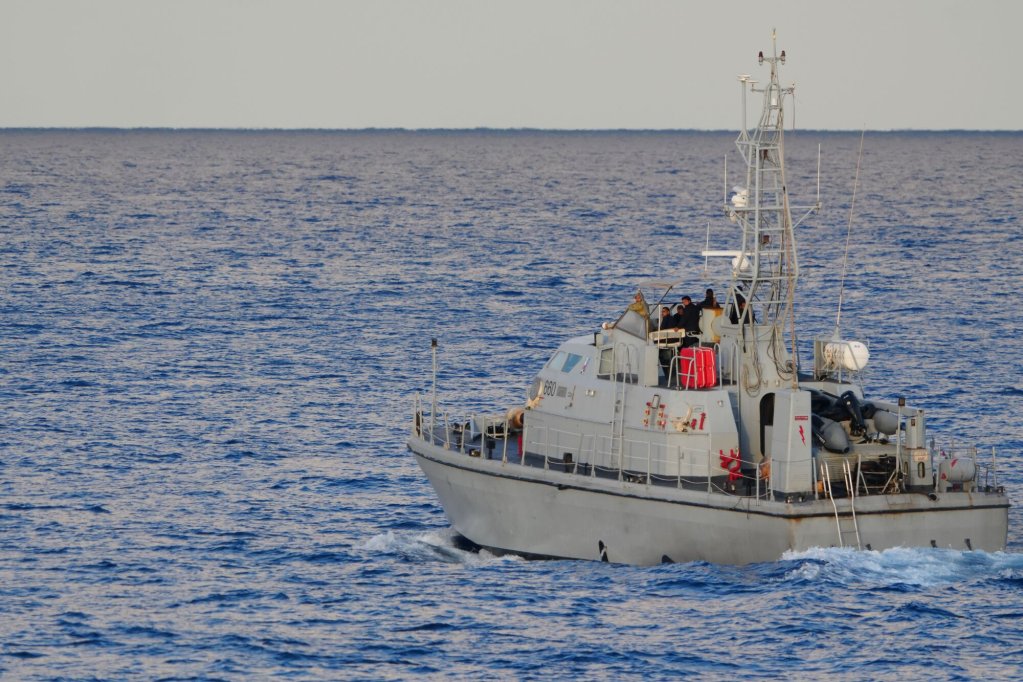
Financial support through programs such as the "Support to Integrated border and migration management in Libya" (SIBMMIL) and the EU’s external instrument as well as other funds and agreements have seen at least 224 million euros allocated to Libya for the period between 2021 and 2027.
Despite frequent reports of migrants being returned to Libya However, the GI-TOC research findings suggest these law enforcement operations such as high-profile crackdowns by Libyan Arab Armed Forces (LAAF) could be more performative than effective in terms of actual migration management.
The report states: "Interventions appear to have been intended to demonstrate action to foreign stakeholders in order to secure diplomatic benefits, while avoiding the risk of causing unrest among key tribes," the GI-TOC report said.
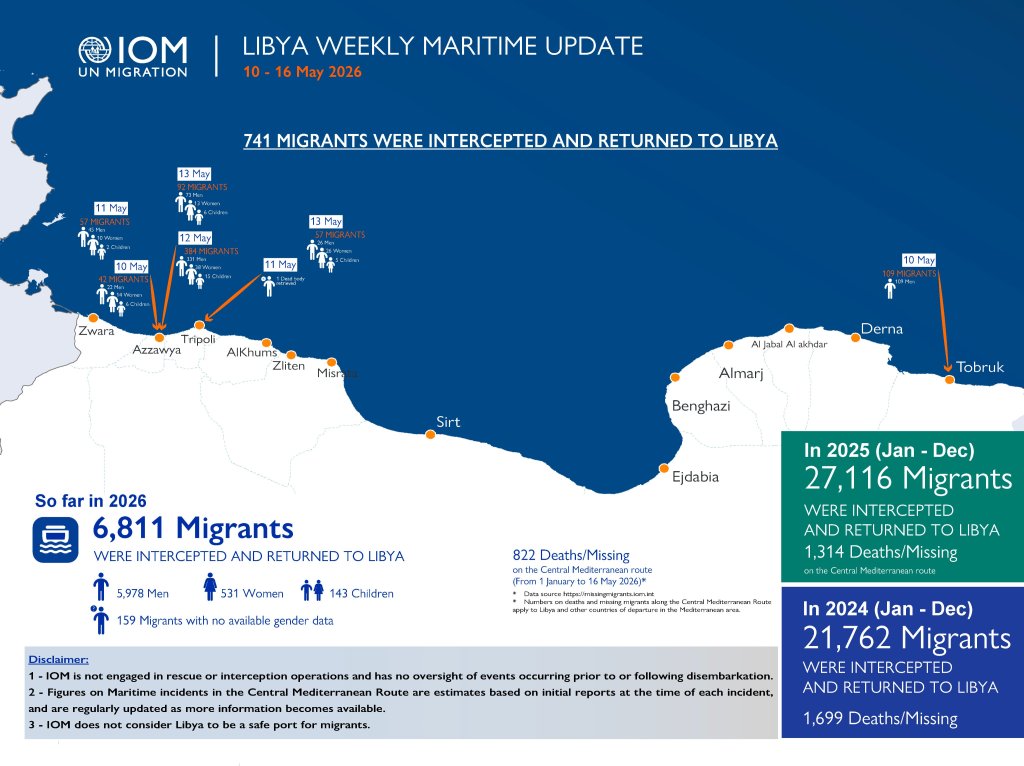
In the last IOM Libya update from mid-May, the UN migration agency confirmed that since the beginning of the year until May 16, more than 6,000 migrants had been intercepted at sea and returned to Libya by Libyan forces.
As a result, the report authors suggest, smugglers are working to obscure their operations rather than halting them altogether.
Another report earlier this year, from the Mixed Migration Centre, suggested that authorities governing eastern Libya, were making significant amounts of money by providing visas to enter the country via Benghazi, whereby migrants, often from Bangladesh and other South Asian countries, would then be passed through various gangs and operations towards the coast, either departing from eastern Libya towards Greece, or latzer from both eastern and western Libya towards Italy.
Read AlsoIn eastern Libya, 'the financial profits generated by migrant trafficking are very significant'