
Finland has launched a new intelligence system to bolster security screening processes of arrivals into the Nordic nation, which has a land border with Russia.
Finland's Security and Intelligence Service (SUPO) has launched new measures to toughen security screening processes under the European Union's new Pact on Migration and Asylum, which came into effect last week across the bloc. Other changes relating to the pact are also outlined in a press release from the Finnish Ministry of the Interior.
Under the so-called Migration Pact – Data Integration and Use in Screening (MIS) project, Finland will create new systems and digital tools to bolster security checks on people arriving in Finland, including asylum seekers, the Helsinki Times reported on Thursday (June 18).
The project plans to create a new information system that will allow data collected from people entering Finland to be automatically compared against information already held by SUPO. The system is being designed to operate as efficiently and automatically as possible, Helsinki Times reported. The EU legislation requires member states to carry out screening checks on certain migrants before they enter asylum or return procedures, placing new demands on national authorities responsible for security assessments.
The scheme has received 2.3 million euros (2.65 USD) in funding from the EU's Border Management and Visa Instrument, with a total budget of 2.55 million euros. The project got up and running slightly ahead of the EU pact's introduction, in April 2026 and is scheduled to run until December 2029.
Other changes following the implementation of the pact
The Finnish Immigration Service has updated a number of procedures in line with the new EU pact and has been informing migrants, refugees and asylum seekers about changes to the reception system and procedures because of these changes.
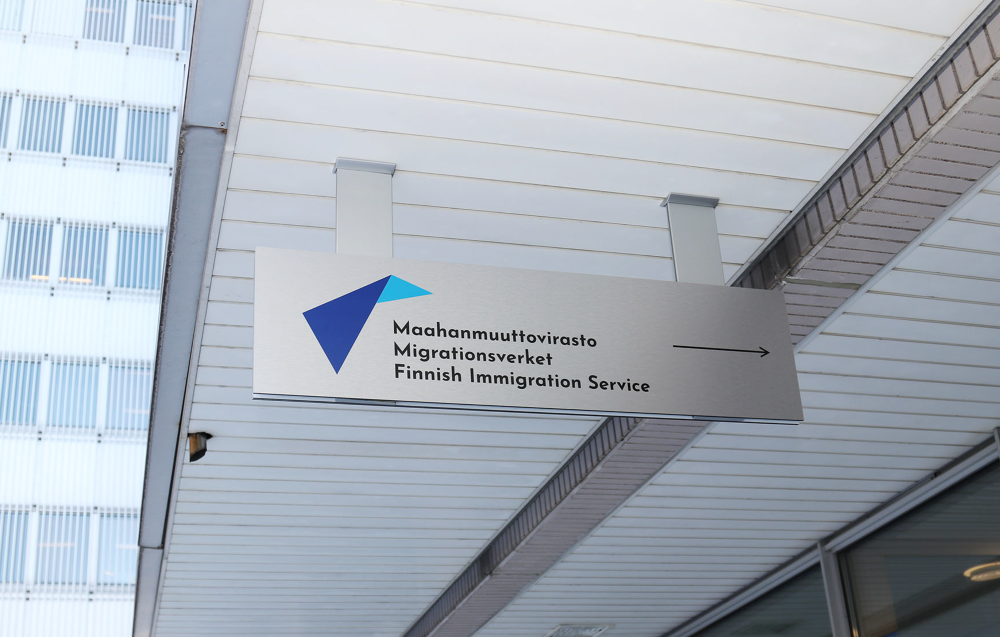
According to that service, ,"you are obliged to identify yourself at your reception center regularly and to make sure that the reception centre has your up-to-date contact details."
- Asylum seekers must identify themselves at their reception center 2–4 times per month.
- Clients who receive temporary protection must identify themselves once a month.
- Persons under 18 years of age and persons who are working do not need to identify themselves.
"In most cases, identification means that you visit your reception center in person and show your reception center client card from which you can be identified. You can also identify yourself when you, for example, visit the reception center office for some other matter or visit a nurse or a public health nurse by appointment. Your reception center will tell you when you must identify yourself for the first time."
The Finnish migration service underlines that "it is important that you fulfil your obligations. If you do not identify yourself or if you cannot be contacted, your reception allowance can be reduced by 20 percent or your reception services can be terminated."
From now on, all those over 18 who are using reception center services must also take part and complete a "Finnish society course". If you do not complete it, your allowance can also be reduced by 20 percent.
Read AlsoEU lawmakers approve new tougher migrant policy
What is the EU Migration and Asylum Act?
The pact follows the beginning of the EU-wide implementation of the Migration and Asylum Pact, a major reform package adopted in 2024 to revamp the bloc's asylum and migration rules. SUPO is one of the Finnish authorities in charge of carrying out security during the screening process for migrants arriving at the EU's external borders. The MIS project will also work on creating administrative procedures, improving the use of intelligence and developing technological solutions to support screening operations, Helsinki Times reported, citing local authorities.
The EU migration pact is made up of ten legal acts aimed at strengthening control of the bloc's external borders, streamlining asylum and return procedures to help member states manage migration pressures. In Finland, the reforms will introduce a new three-stage asylum process. Applicants are expected to first make an application, then register it with the police or border authorities within five days, before formally lodging the claim with the Finnish Immigration Service.
Under the new rules, asylum applications will be processed under stricter timelines, more claims will be fast-tracked, and people staying in reception centers will have to meet additional requirements. Applications deemed unlikely to succeed, including those from countries with low approval rates across the EU, may be processed through accelerated border procedures.
Rights organizations have called out the Finnish government for compromising legal safeguards for asylum seekers. Earlier this year, the Deaconess Foundation (Finland's oldest private social and healthcare provider, which operates as a non-profit) warned that shorter deadlines, reduced access to legal help and increased procedural hurdles may make it harder for vulnerable migrants to present their cases.