
Close to 100 sub-Saharan African migrants have been deported from Tunisia under a 'voluntary return' scheme. Critics argue that tightened rules, harassment and racism migrants face in Tunisia leave them with little choice but to return home.
Tunisian authorities repatriated nearly a hundred migrants from sub-Saharan Africa on Tuesday (June 16) under a so-called voluntary return initiative.
According to news agency AFP citing Tunisia's national guard, the scheme has involved almost 5,000 people over the past year.
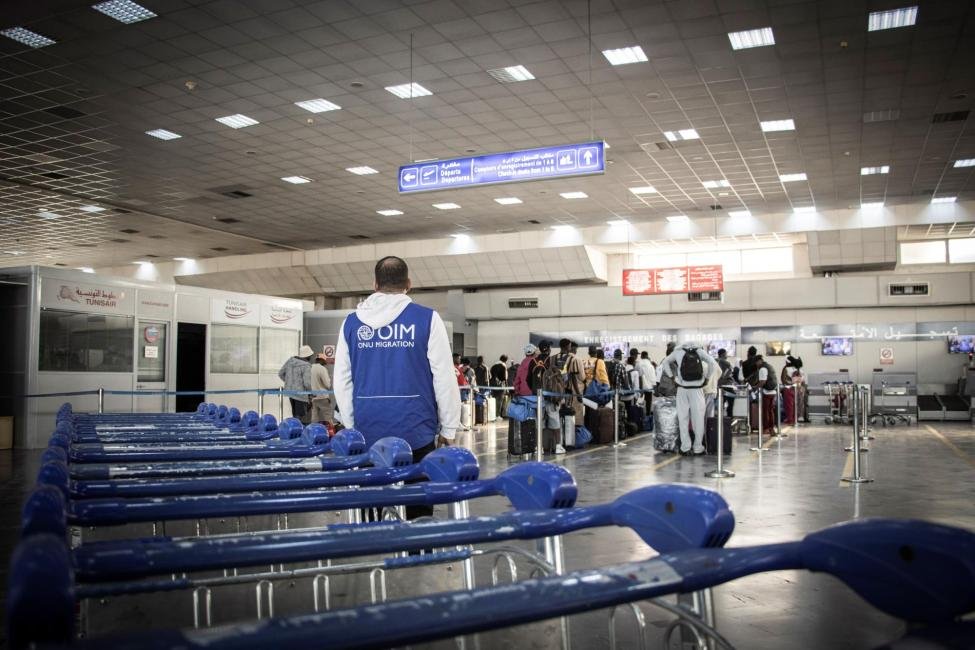
Carrying backpacks and suitcases, mostly young men, whose faces were covered in black masks, and a number of women and children -- were photographed by AFP at the Tunis-Carthage airport outside Tunisia's capital.
According to national guard spokesman Houcem Eddine Jebabli, a total of 91 irregular migrants left for several sub-Saharan countries, AFP reported. Jebabli praised what he sees as the strength of the program, which was launched almost a year ago.
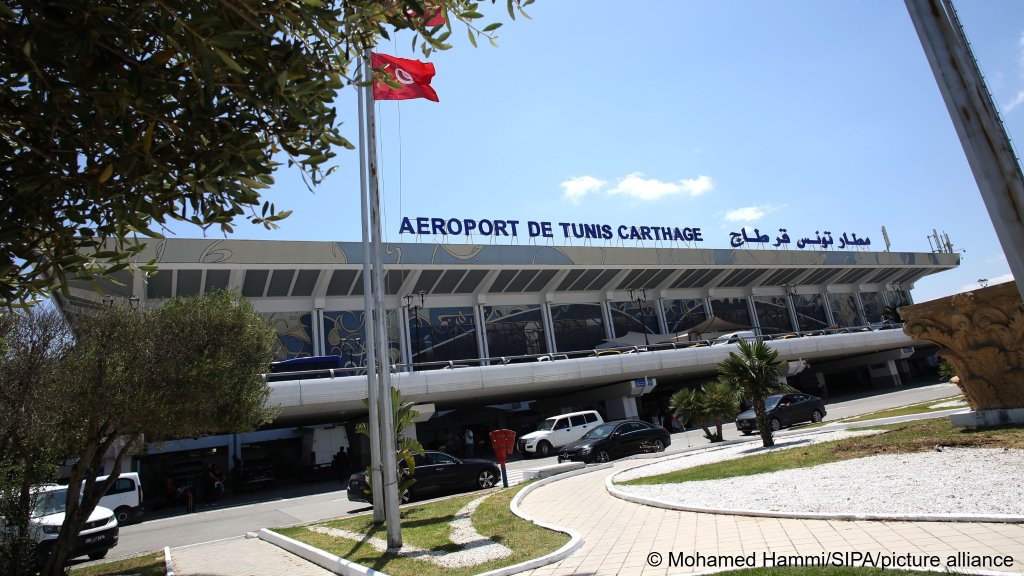
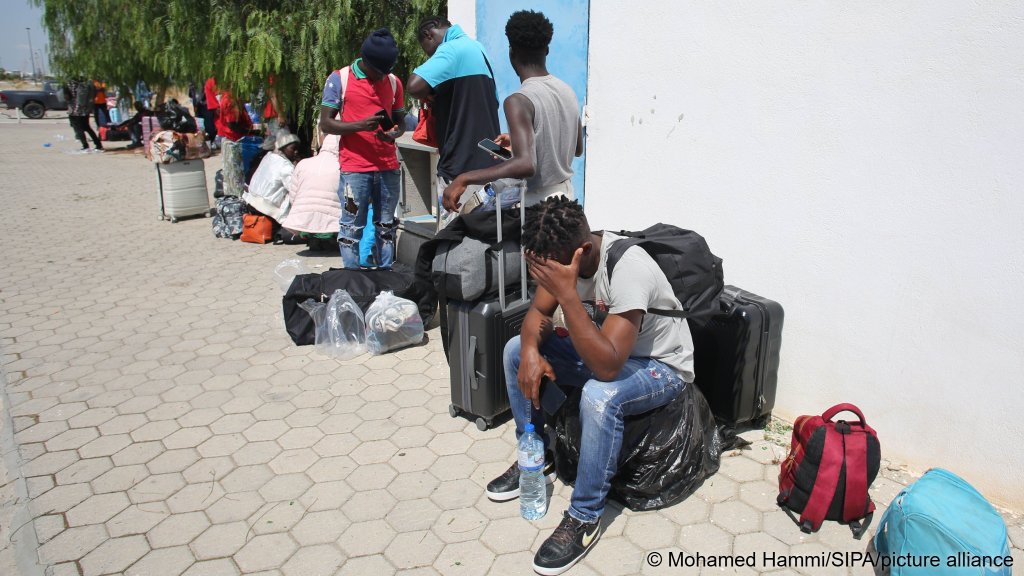
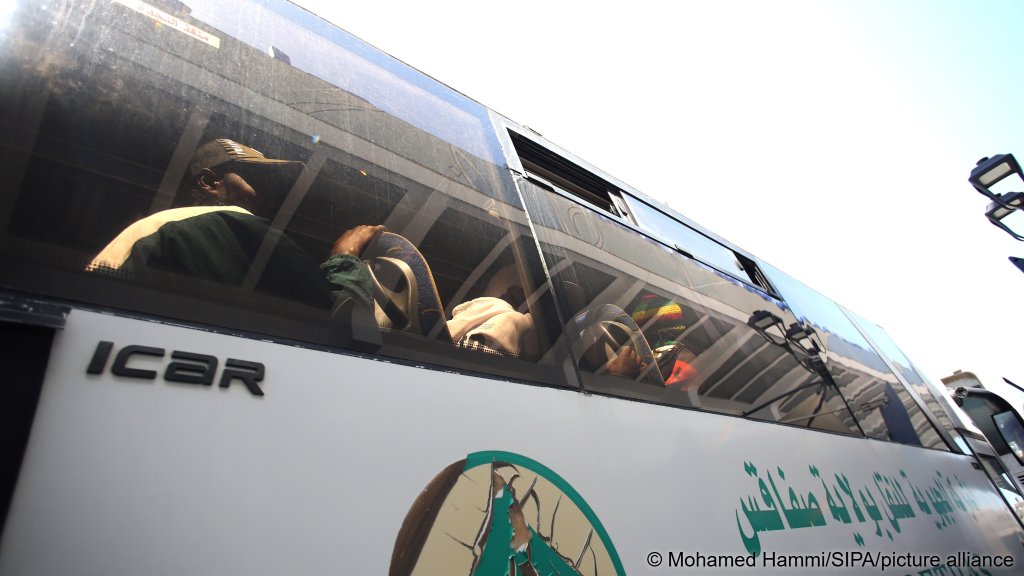
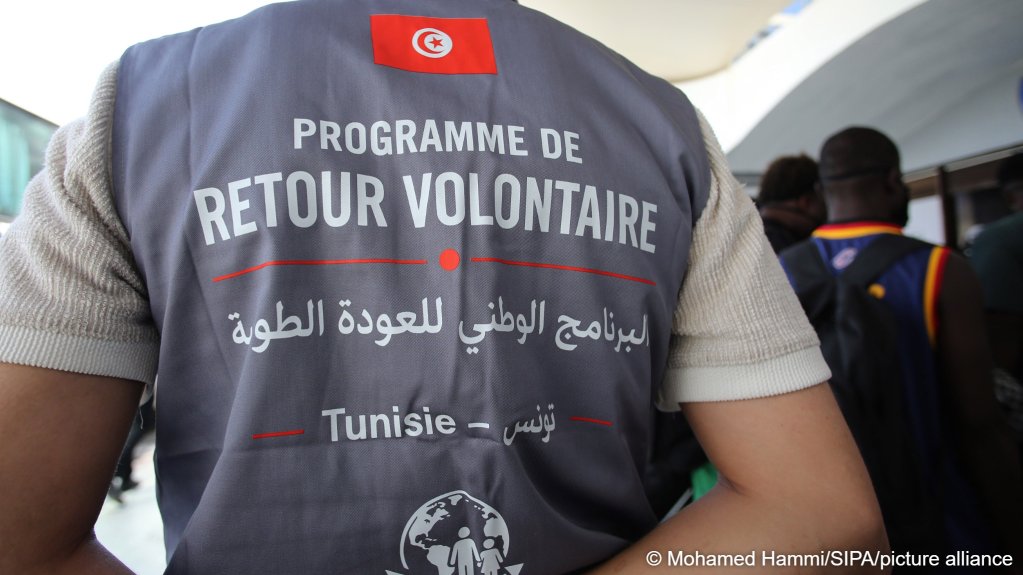
The spokesman said the government initiative "takes into account humanitarian and social aspects alongside judicial and security constraints", according to AFP, adding that "so far close to 5,000 people" have participated in the program.
The rate of returns has intensified recently, with flights increasing in frequency from once a month to "near-daily dedicated flights", Jebabli said further.
Moreover, a new campaign is planned to encourage migrants to come forward "via a toll-free number or the numbers of officials at the voluntary return camp", Jebabli said according to AFP.
Read AlsoTunisia: NGO supporting migrants faced with a month-long suspension
Worsening conditions for migrants
Organizations that work with migrants who have passed through Tunisia say that the increase in returns is due to the worsening of conditions for migrants in Tunisia. Tightened rules and crackdowns operated by the Tunisian authorities mean that many migrants from sub-Saharan African countries are prevented or impeded from working or renting an apartment in the country. They are also often subject to harassment and discrimination on the part of the authorities.
In January of this year, NGOs estimated that around 20,000 migrants lived in an irregular situation in Tunisia.
AFP was not able to speak with the departing migrants on Tuesday, but humanitarian sources have recently denounced a campaign of arbitrary arrests of migrants who have been taken into buses to unknown locations.
According to Jebabli, the voluntary return camp in question, where the migrants' identities are verified, is situated north of Tunisia's second city of Sfax.
In 2023, rights groups reported that an estimated 25,000 migrants had gathered in camps in that region under poor, unsanitary conditions after they were driven out of major cities.
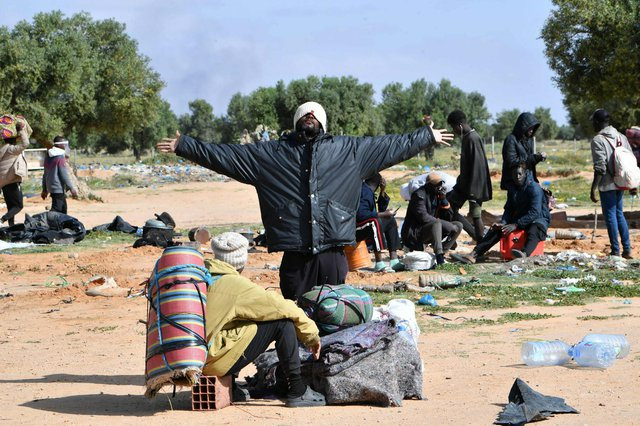
Two years later, in April 2025, Tunisian authorities began breaking up the camps. According to people living in these camps, the tents, personal belongings and food supplies were demolished or burned by police. The Tunisian authorities stated they had to proceed with the evictions because the tent encampments were preventing farmers from accessing their land.
Read Also
Ibrahim's tale: 'Tunisia has become more dangerous than Libya for sub-Saharians'
Xenophobia and racist violence
In 2023, Tunisian President Kais Saied blamed many of the country's economic and social woes on the arrival of "hordes of sub-Saharan African migrants" who he claimed were "hoping to change the demographic composition of Tunisia."
His statements and declarations triggered a series of crackdowns and racist violence directed at Black Africans in the country on the part of both the authorities and sometimes groups from the Tunisian population.
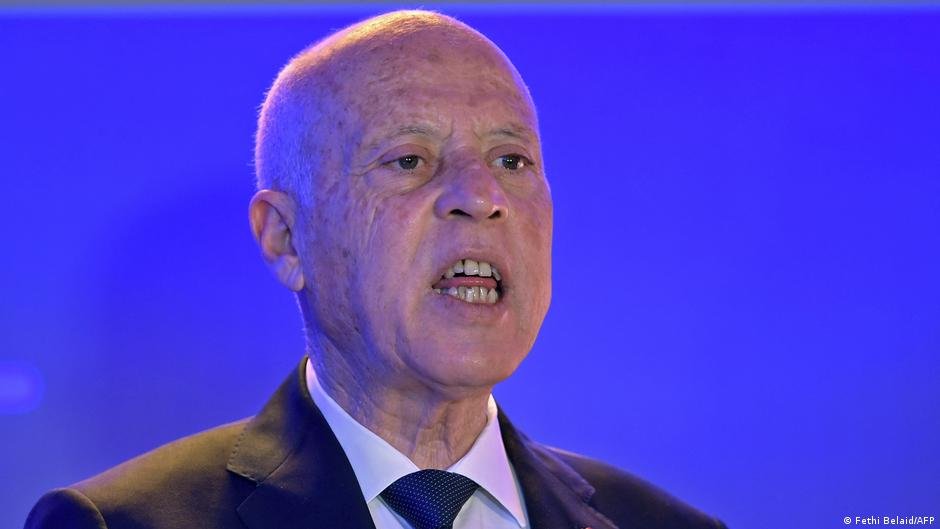
Thousands of migrants lost their jobs and homes at that point and were pushed to live in tent camps far outside the big cities, or risk being rounded up and taken to parts of the desert on the border with Libya and Algeria.
Since then, InfoMigrants has talked to numerous migrants who report similar treatment and transfers to desert areas. Some of them have also filmed their experiences and sent the footage to InfoMigrants French.
Read Also'Nobody thought we would make it': A migrant abandoned in the Tunisian desert tells of his ordeal
'Voluntary return' or 'forced expulsion'?
Following the clearing of migrant camps around Sfax in April 2025, some migrants started to make their way to offices belonging to the International Organization for Migration (IOM) in Tunis and Sfax to demand voluntary return. The UN agency subsequently declared itself overwhelmed and is still struggling to process all the requests.
Some human rights activists have described these voluntary returns as "disguised expulsions." In an interview with France 24 at the beginning of the year, a spokesperson for the Tunisian Forum for Economic and Social Rights in Tunisia argued that voluntary returns are "the only possible alternative" for migrants facing racism and abuse.
Last year, the IOM helped facilitate the return of 8,853 migrants via its voluntary return programs, which are separate from the government's voluntary return scheme, the UN agency said at the beginning of the year.
Returnees were reportedly provided with reintegration support in their country of origin that included socio-economic aid, counselling and community referrals to ensure sustainable reintegration.
In 2024, around 7,200 migrants were repatriated under the same scheme.
According to national guard spokesman Houcem Eddine Jebabli, 27,000 people returned in three years via the IOM scheme.
Irregular migration from Tunisia to the EU
Alongside neighboring Libya, Tunisia has in recent years become a key departure point in North Africa for migrants attempting the dangerous Mediterranean Sea crossing in the hope of reaching Europe.
What's more, protracted deteriorating political and economic conditions in Tunisia have pushed many of its nationals to migrate too. An estimated 10 percent of the Tunisian population lives abroad.
In a bid to control irregular migration, Tunisia has tightened security along its maritime borders with support from the European Union.
In June 2023, the EU and Tunisia signed a memorandum of understanding that includes an economic aid package worth 900 million euros for Tunisia and an additional 105 million euros to "support the Tunisian coastguard and border management."
Under the deal, the EU provides monetary support for training, technical assistance, and anti-smuggling operations, while Tunisia takes charge of migration control and the return of rejected asylum seekers.
In March of this year, Tunisia's President Saïed said he wanted to renegotiate the deal, demanding a fairer partnership amid growing migration tensions and a crackdown on dissent in the country. His calls came amid deepening domestic and geopolitical pressures.
with AFP