
Hundreds protest on Stockholm's Norrbro bridge as parliament votes on Monday on the controversial "snitch law" requiring some Swedish authorities to report undocumented migrants to police. Rights groups fear the measure will drive vulnerable migrants away from healthcare, education, and basic services, while enabling racial profiling and exploitation.
Hundreds gathered on Norrbro bridge in central Stockholm on Sunday, June 14, 2026, demonstrating against a controversial bill that, if passed, would require certain Swedish government authorities to report undocumented migrants to police, as parliament prepares to vote on the measure today (June 15).
The legislation, widely dubbed the "snitch law" by critics, is set to be decided in a vote, as part of a broader migration deterrence strategy by Sweden's right-wing government backed by the far-right Sweden Democrats.
Read AlsoYoung immigrants who grew up in Sweden facing deportation
Narrow but controversial
Initially proposed to include schools, healthcare providers, and social services, the government has narrowed the obligation to six authorities: the public employment service, pensions agency, tax agency, social insurance agency, and two other national bodies. Municipalities, healthcare facilities, schools, and social services have been excluded from the reporting duty.
Under the proposal, employees at these six authorities would be required to inform police of any contact with an undocumented person. Estimates suggest 30,000 to 50,000 undocumented migrants currently reside in Sweden.
If passed, the reform would take effect next month, on July 13, 2026.
Read AlsoSweden moves forward with plans to deport migrants under 'honest living' rule
Humanitarian concerns
The Swedish Red Cross has warned that even just the debate over the law has already stoked fear among undocumented people, leading to withdrawal from public services in general. In an opinion piece written when the law was first proposed in 2024, Red Cross secretary general Ulrika Modéer wrote that "people in vulnerable situations meet public servants… and become uncertain about what they could do, their trust in authorities in general is affected, leading to withdrawal and avoidance of all forms of contact."

The organization cautioned that such withdrawal could make it difficult for authorities to reach vulnerable people during crises and protect them from exploitation.
Doctors of the World Sweden described the policy as part of a strategy "to signal to migrants in general and undocumented people in particular, that life in Sweden will be so hard for them that they better leave," Hannah Laustiola, director of humanitarian defenders at the organization told the EU Observer.
Read AlsoSweden's healthcare sector hit by deportations of migrants
Professional ethics opposition
Trade unions and employment organizations have expressed strong disagreement with the proposal. The European Federation of Public Service Unions (EPSU) highlighted that past reporting obligations in Germany and the UK were ineffective at slowing migration arrival numbers.
"Public service workers are not ICE agents. They are not snitches," the group said in a detailed LinkedIn post.
EPSU also warned that reporting obligations "will not stop migration, but rather push already vulnerable people further into the shadows. They enable exploitation by greedy employers, increase public health risks, and exclude migrants from education and care."

The union, representing 8 million public service workers across Europe, emphasized that reporting obligations "go against international and European human rights standards" and that "public services must remain safely accessible to all."
Civil society groups and trade unions argue the law violates professional codes of ethics, particularly for workers bound by confidentiality obligations. The initial proposal to include teachers, doctors, nurses, and librarians sparked protests arguing it would "deny people their human rights."
Read AlsoSweden to raise hurdles to gaining citizenship
Marginalization and racial profiling concerns
Think tank analysts also warn that vague guidance could lead to over-compliance, with public workers reporting undocumented individuals to avoid legal risk. "People tend to comply before they have to, as we learned from fascism in the Nazi regime in Germany," Lisa Pelling, head of Stockholm-based think tank Arena Idé, told the EU Observer.
In an online post Platform for Undocumented Migrants (PICUM) called it "a shameful proposal that undermines trust, forces professionals into impossible ethical positions, and pushes people away from healthcare and basic services." PICUM warned that "Sweden's proposal should be a warning to the rest of the Union, not a model to follow."
The organization noted that implementing rules targeting undocumented people "often results in racial or ethnic profiling, perpetuating prejudice and discrimination."
Read AlsoSweden calls for EU-wide action on returning failed Afghan asylum seekers
'Era of deportation'
The bill is part of the Sweden Democrats' broader "era of deportation" strategy, which has produced multiple policies restricting new arrivals and speeding up deportations. These measures have intensified ahead of a general election due to be held at the end of summer 2026.
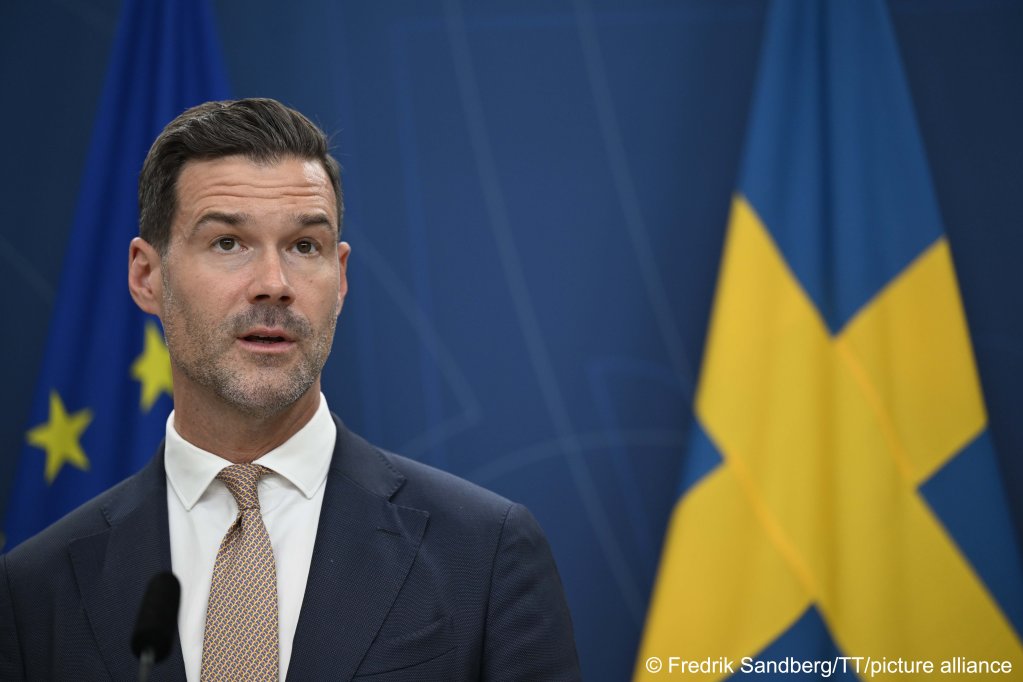
Although the Sweden Democrats are not formally part of the government, they back the governing coalition led by Prime Minister Ulf Kristersson through a policy deal. The government supports their hardline migration agenda in exchange for their parliamentary support.
Separately, parliament has also passed a government-backed bill abolishing permanent residence permits for refugees and certain migrant categories. From July 12, 2026, only temporary residence permits will be granted to asylum seekers and some other migrant groups.
Read AlsoDenmark, Sweden: Stricter immigration policies lead to historic low migration
Hardline agenda
The legislative package is framed in official government documents as strengthening "return operations" (återvandringsverksamhet).
The proposal titled Starkt återvandringsverksamhet (Proposition 2025/26:63) argues that clearer obligations for authorities will improve enforcement of deportation decisions and maintain credibility in the asylum system.
The Swedish Legislative Council (Lagrådet) has provided a legal review assessing potential conflicts with professional ethics and human rights obligations.

Sweden has received criticism abroad for the proposal on the "informer law." As civil society organizations and trade unions continue to argue that legally requiring public servants to report undocumented migrants would violate professional codes of ethics and deny people their human rights.
Read AlsoSweden: Government moves forward on tougher migration measures
Today's vote
As parliament prepares to vote today, the outcome will determine whether Sweden becomes one of the first EU countries to formally mandate government authorities as 'immigration informants'. The demonstrations in Stockholm underscore domestic unease at the shift, at least from some quarters.
Whether opposition will translate into legislative restraint remains uncertain, but the debate has exposed a central tension in contemporary migration policy -- how far states can go in mobilizing ordinary public institutions in the pursuit of migration control.
Read AlsoSweden: New measures to encourage integration of migrants