
The European Commission has invited Taliban officials for discussions to combat irregular migration and bolster the current rate of deportations. The EU commissioner for migration says that Europe has no other option but to work with the de-facto rulers of Afghanistan.
Despite it not recognizing the Taliban administration as the legitimate government of Afghanistan, EU officials are planning to hold talks with their representatives as part of initiatives across the bloc to lower immigration and increase returns.
There is no date set yet for the meeting to take place, and Taliban officials are yet to be granted visas for the visit to Brussels; Belgian officials told AFP they had been given the names of the Taliban officials in the delegation but had not received any visa applications from any of them.
An EU spokesperson meanwhile told Reuters that the discussion would not amount to any official recognition of the Taliban.
Still, news of the upcoming talks have caused considerable uproar.
Read AlsoWill Europe's bid to deport Afghans legitimize the Taliban?
Major human rights concerns
Numerous rights groups say the EU needs to think twice about the ethics of returning any migrants to a country that is run by an autocratic regime and is currently in the midst of a severe humanitarian crisis with millions facing hunger, according to UN figures.
"Deporting Afghans back to a country where almost half of the population cannot feed themselves is not a migration policy; it is a decision that could cost lives," says Lisa Owen, the International Rescue Committee's country director for Afghanistan.
Many groups, including Amnesty International, also fear for the safety of people sent back to a country with an abysmal human rights record and the death penalty.
UN High Commissioner for Human Rights Volker Turk also stressed last month that many Afghans could face serious reprisals and mistreatment if they were sent back to their country, including former government officials, journalists and civil society representatives.
Read AlsoUNHCR head condemns deportations to Afghanistan
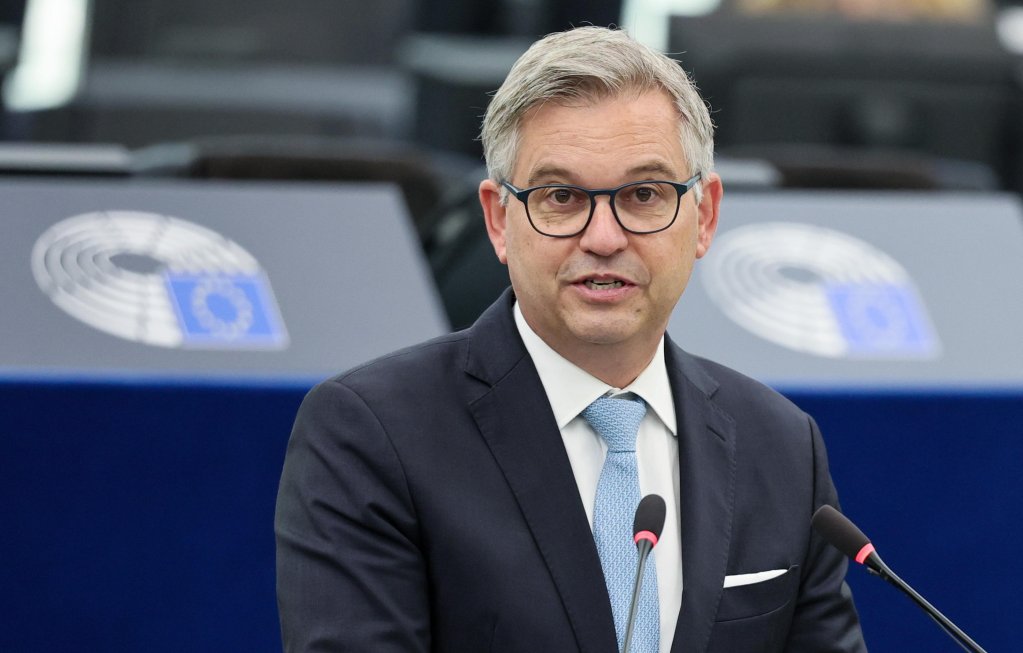
EU Commissioner for Internal Affairs and Migration Magnus Brunner, however, believes that it is nevertheless "important to talk to them at least to improve the situation for Europeans, but also for asylum applicants, for asylum-seekers."
Brunner added that talks were not a step towards recognizing what he referred to as the "Taliban regime."
"It's no option not to talk to these people in order to improve the situation," Brunner told journalists.
Afghanistan: a country without freedom
European governments shut down their embassies and missions in Kabul when the Taliban returned to power in 2021.
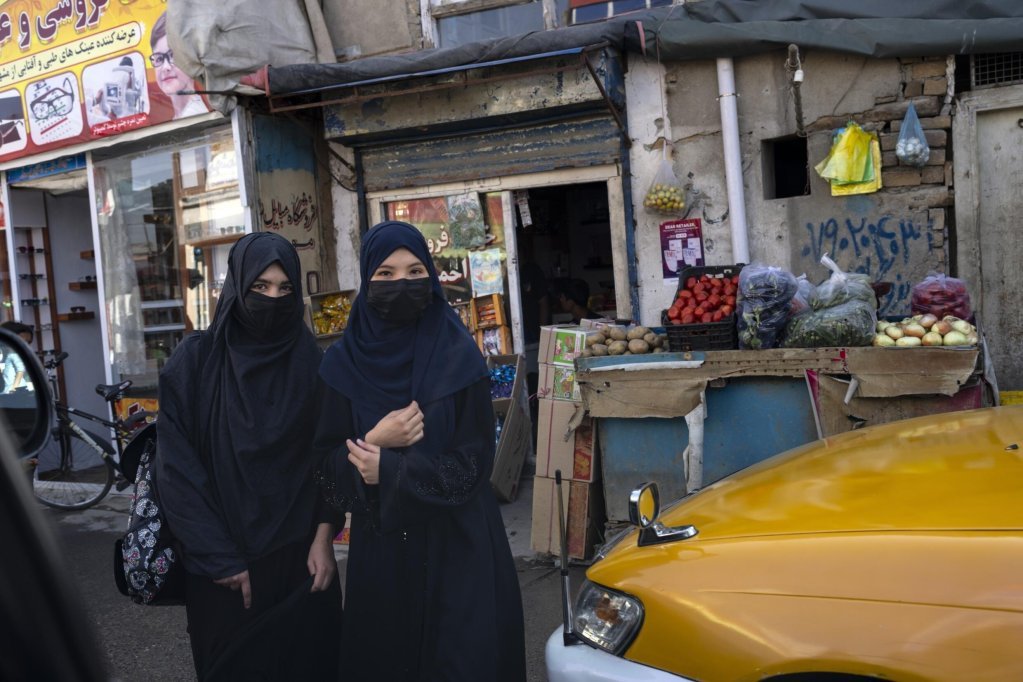
The new rulers of Afghanistan have since imposed their own strict interpretation of Islamic law, abolishing nearly all women's and minority rights.
Under their rule, females are forced to be entirely covered in a burqa when they are in public; certain public spaces meanwhile are reserved exclusively for use by men, and girls' education is mandated to stop at the age of 12.
Recently, the Taliban have also introduced new laws to make child marriage legal, while clamping down on pro-democracy protests in the city of Herat.
At the same time, all free and independent news outlets have been closed down or pushed out of the country, amounting to a ban on free speech.
Nearly five years after the violent Taliban takeover however, EU governments appear to be softening their stance on the central Asian country — in a bid to work more closely with Afghan authorities on migrant returns.
Majority of EU keen on deportation deal
Between 2013 and 2024, the EU received roughly a million asylum applications from Afghan nationals, according to official data.
About half of those applications were fully approved, while many others are believed to have been given temporary stays or placed on a 'tolerated' status because they are unable to be sent back; Afghans currently remain the single largest group of asylum seekers in the EU.
However, amid a rise of far-right support across the bloc, the European Union is hoping to enact further laws and policies to limit immigration numbers — including facilitating the deportation of some Afghans back home.
Most EU member states have expressed an interest in finding ways to return some migrants to Afghanistan who do not have a right to stay — particularly individuals with criminal convictions.
Read AlsoGermany: Young Afghan men rarely granted protection status
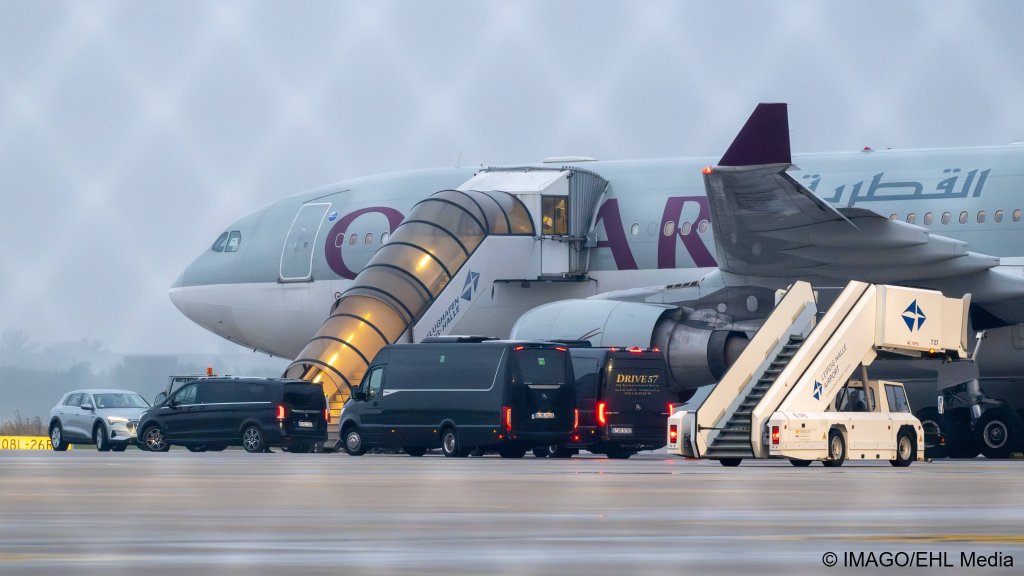
Some countries have already started their own deportations to Afghanistan; since 2024, Germany has deported over 100 Afghan nationals with the help of the government of Qatar as an intermediary.
Last year, it allowed for several Taliban representatives to come to Germany to work at Afghan embassies and consulates to help facilitate such deportations.
Since coming to power a year ago, German Chancellor Friedrich Merz has repeatedly called for direct talks to be held with the Taliban.
Neighboring Austria could be the next country to send Afghan nationals back after reportedly hosting a Taliban delegation last year. They already sent one Afghan with a criminal conviction back in October 2025.
Read AlsoGermany: More deportations to Afghanistan raise criticism over collaboration with Taliban
with AFP, Reuters