
A major migrants' rights NGO in Greece has criticized government plans to change the country's migration framework. The Greek Council for Refugees and Migrants (GCR) has expressed particular worry about the future of accommodation arrangements for unaccompanied minors who present as migrants in Greece, saying that planned changes to their housing standards were unsuitable to their needs.
A draft law in Greece suggests some considerable changes to how unaccompanied child migrants are housed, allowing minors to be accommodated in migrant detention camps.
The GCR has now labeled the potential move a "significant setback," also drawing attention to the fact that the European Court of Human Rights had previously called such arrangements "unsuitable" for minors.
The NGO said that the proposals would effectively abolish the principle that unaccompanied minors must be kept under child protection supervision in reception facilities that are suitable to their needs.
The GCR joined the voices of various groups in Greece, which have recently expressed "deep concern at the ongoing weakening and deterioration of services and programs intended for unaccompanied minors in Greece."
GCR meanwhile also denounced the draft bill for extending the duration of detention while individual asylum applications are considered, saying this amounted to an introduction of obstacles "to the freedom of movement of people entitled to asylum."
The NGO also added it was worried that the bill -- which is due to be debated soon in parliament -- would also lend fresh powers to authorities to reject any application for international protection "without conducting an interview and even in the absence of any fault on the part of the applicant."
Read Also'Desperation is a powerful driver': How people fall into human trafficking networks
Greece seeks to establish new migration framework
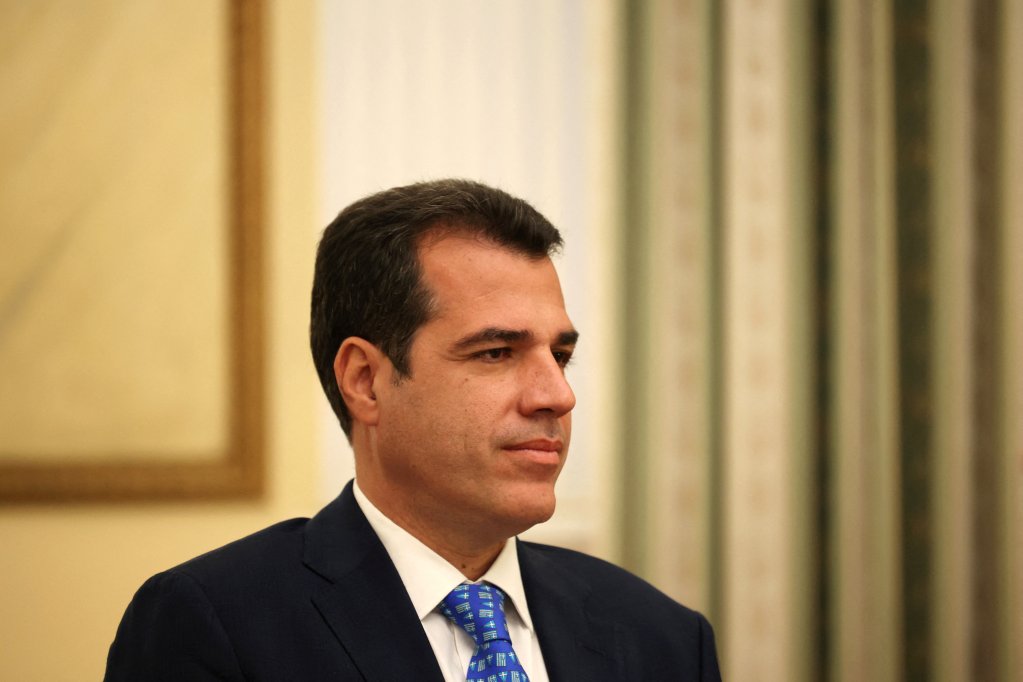
Greek migration minister Thanos Plevris had announced the changes as part of the government's response to a "significant reduction" in the number of unaccompanied minors arriving in Greece amid a fall in overall migration numbers.
Plevris explained that the draft law was designed to establish a "strict and functional framework" for future migration flows, creating legal frameworks that would protect Greece from overwhelming arrival rates.
The number of irregular migrants arriving in Greece by sea has been falling steadily since 2024, with a 41 percent decline measured in the first three months of 2026 compared to the same period in 2025.
Read AlsoIrregular crossings into EU down 60 percent in January, says Frontex
UNHCR prompts Greece to reconsider
The United Nations High Commissioner for Refugees (UNHCR) has meanwhile also expressed criticism of the Greek plans, saying that the country should review the plans as they were not compatible with "European principles."
In particular, the UNHCR called for Greece to factor in exemptions in its approach, highlighting the importance of recognizing vulnerable migrants, including unaccompanied minors, as well as people with disabilities and victims of human trafficking or gender-based violence (GBV).
GCR works as a UNHCR partner agency in Greece.
Read AlsoNearly one in four asylum applicants in the EU are minors
with AFP