
The United Kingdom and France have extended a pilot scheme to combat irregular migration known as the "one-in, one-out" deal. The program will continue to be tested until the start of October for the time being. France meanwhile wants the EU to get more involved in addressing the irregular crossings of the English Channel.
The migrant swap agreement known commonly as the "one-in, one-out" deal between Britain and France has been extended until October 1, according to France's minister delegate for Europe, Emmanuel Haddad.
The scheme, which came into force in September 2025, is designed to facilitate the deportation of certain migrants with no legal perspective of staying in the UK back to France -- if it is proven that they had reached the UK from French soil using irregular means of travel.
In return for each such deportation, Britain has to accept one foreign national from France, who is likely to be granted asylum in the UK (for reasons such as having family ties there), as per the terms of the deal.

The thinking behind this arrangement is that it can help make the business model of smugglers redundant, with prospective migrants becoming less likely to pay money to criminal groups to take them to the UK if they know that they will likely be sent back, while someone else "takes their place."
Smuggling gangs charge migrants in France large sums to move them to the UK in unseaworthy vessels, with several dozen people losing their lives during dangerous journeys on overcrowded boats and dinghies across the English Channel each year.
Only one percent returned under scheme
Haddad explained the moderate success rate of the pilot scheme to a parliamentary committee on Wednesday, sharing the latest numbers and highlighting that "as of May 1, there had been 606 readmissions to France for 588 legal admissions to the United Kingdom."
The number of people sent back from the UK to France under the "one-in, one-out" program however represents just over one percent of those total arrivals, with more people sometimes reaching the UK on a single day than all individuals so far removed under the pilot scheme.
Last year alone, over 41,000 people managed to arrive in the UK using irregular boat journeys.
Read Also'One in, one out' migration deal: 377 migrants returned to France, 380 admitted to the UK
UK seeks post-Brexit partnerships
Since Britain left the European Union in 2020, it is no longer part of the so-called Dublin Regulation, under which migrants can be returned to the EU country they first entered.
This results in many people coming to the UK each year using irregular means of transport who cannot be sent back to the EU.
In response, Britain has tried to sign various deals with individual EU countries -- chiefly France -- to help mitigate the effects of these mass arrivals, with the "one-in, one-out" deal being one of several Franco-British programs to this end.
The UK also renewed a deal this year, which helps fund French border authorities along the country's northern coastline to the tune of hundreds of millions of euros in a bid to keep departures at bay.
Read AlsoBritain renews Channel deal with France — amid opposition and controversy
Migration continues to weaken Labour government
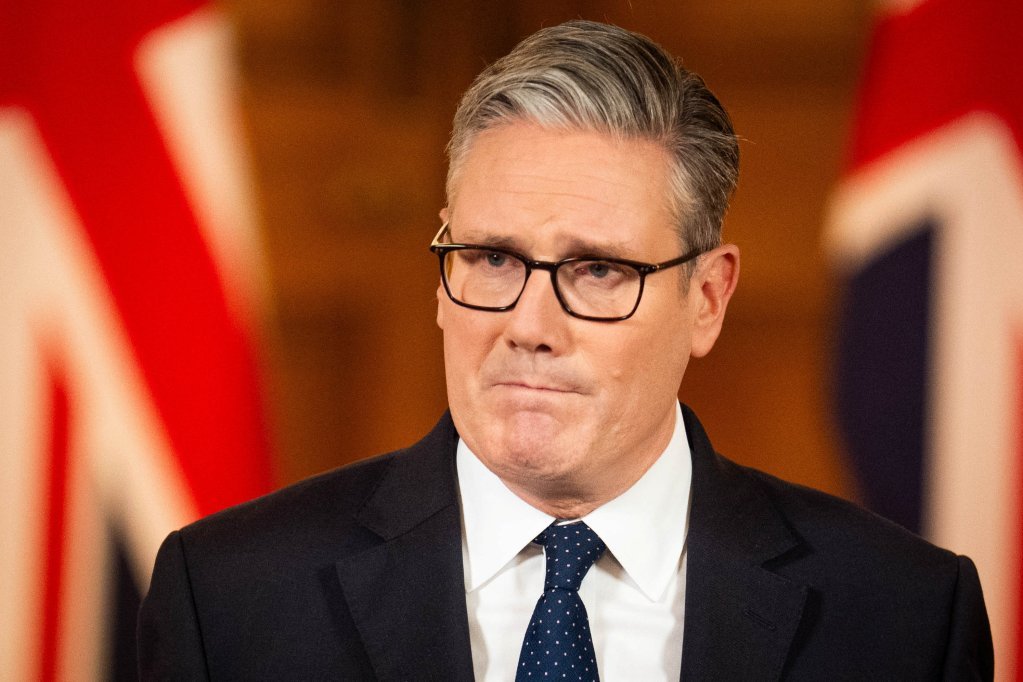
Despite these initiatives, Britain's Labour government under Prime Minister Keir Starmer continues to face criticism for not doing enough to stop the arrival of irregular immigrants.
Starmer had won his election two years ago on a campaign platform pledging to "stop the boats" -- however, many voters appear to feel disappointed, resulting in the anti-immigrant, far-right Reform UK party now leading in opinion polls across the country.
Local elections held in the UK earlier this year have also dealt a major blow to Labour, with many senior party members now asking the prime minister to step down and let a new leader fix Labour's waning popularity.
The next scheduled general election is only due to take place in Britain in 2029.
Read AlsoUK immigration falls sharply, but the perception that it is increasing is still widespread
France seeking EU support to stop crossings
Meanwhile, pressure is also growing on the other side of the Channel in France to find new solutions to get irregular migration under control.
French leaders have been pushing for the EU to create new migration-related frameworks with Britain, hoping to move away from addressing the issue only with bilateral agreements.
Read AlsoFrance: Migrants detained longer but fewer deported
French Minister Delegate to the Minister of the Interior Marie-Pierre Vedrenne called on the EU on Thursday to make the issues of irregular migrant crossings towards Britain a more central "European issue" — despite the UK no longer being part of the bloc.
Ahead of a meeting with her EU counterparts, Vedrenne stressed that it was "fundamental" to tackle the matter jointly, with France hoping to get more help -- and funds -- for its policing and in its fight against migrant smuggling.
"We are talking about an external border of the European Union ... and therefore about a European challenge. We need to have European discussions," she said.
The European Commission is due to come up with an action plan to tackle the issue of irregular migration in the English Channel in the course of this year, though there are no further details known at this stage.
Read AlsoThe UK has deported nearly 60,000 people since the Labour Party came to power
with AFP