
Spain's latest regularization drive is bringing renewed attention to the hidden realities faced by undocumented migrants in Spain, from low wages and insecure housing to the broader struggle for legal status and basic rights.
Spain’s debate over migrant regularization is often framed as an immigration issue. But for many workers, the more immediate reality is exploitation: long hours, low pay, unstable housing and no legal protection to push back. As Gonzalo Fanjul, policy and development director at ISGlobal -- The Barcelona Institute for Global Health, puts it, undocumented migrants were on the front lines of the pandemic response, working in fruit picking, delivery, domestic work and care while remaining exposed to extreme vulnerability.
Fanjul says that the contradiction created "a narrative opportunity" to argue for regularization, and explains that the campaign that followed rested on five arguments: "scale, vulnerability, fiscal gain, public health, and Spain’s own history of regularization under governments of different political stripes." In his telling, the issue was never only about immigration control. It was also about a labor market already relying on undocumented workers while leaving them outside the protections that come with legal status.
Read AlsoInside Spain's extraordinary regularization drive
How the system exploits workers
Edith Espínola, a Paraguayan-born activist, director of the Empowerment Center for Domestic and Care Workers (CETHYC) and co-founder of the Regularization Now movement, links exploitation directly to irregular status. She says regularization is needed because people "are working in the informal economy and are therefore working without rights," adding that they should be seen "not only as a workforce, but as a person who, based on minimum human rights, should have residence and the right to have a full life."
Domestic work is one of the clearest examples of that vulnerability. Spain has over 600,000 domestic workers, the largest number in the EU and most are women -- of these, around 45 percent are migrants, while roughly 70 percent of migrant domestic workers are in an irregular situation.
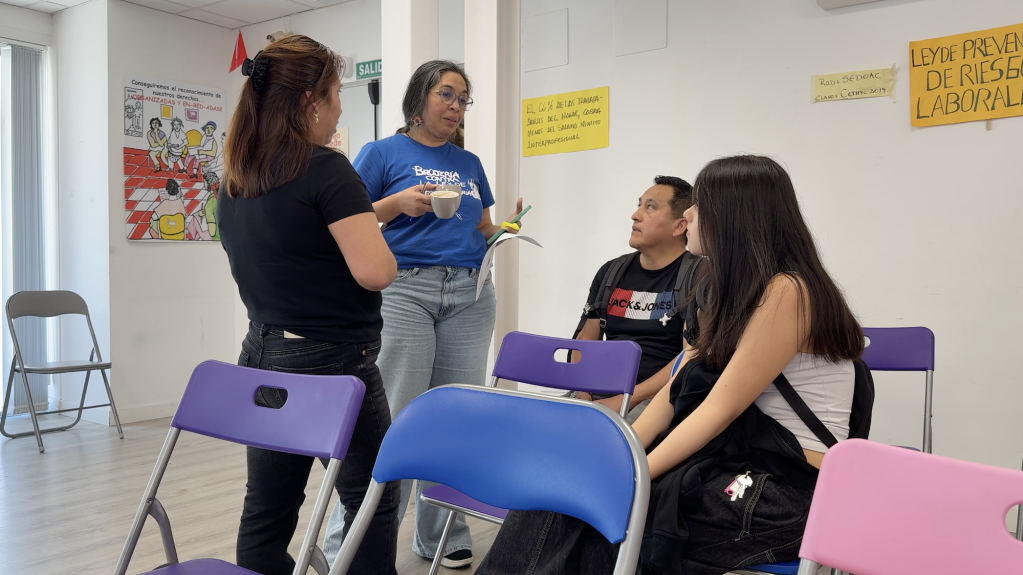
For Espínola, the abuse is built into the paperwork itself. She says the ordinary route to legal status depends on securing a work contract of at least 30 hours a week, but "they were not getting it because they cannot get a contract," while many employers "prefer to have people in the informal economy, not contributing to social security." In other words, workers need papers to escape abuse, but often need an employer’s cooperation to get those papers in the first place.
Espínola says the process has become an "obstacle course," with people lining up early in the morning for their vulnerability reports, while misinformation on social media is adding to the confusion -- in some cases even costing workers their jobs. Espínola argues that these barriers are part of the same structure of exclusion: "there is always a negativity or structural racism that seeks to place the migrant person in a situation of exploitation and abuse."
Read AlsoSpain: Migrant workers in greenhouses hope regularization campaign brings improved conditions
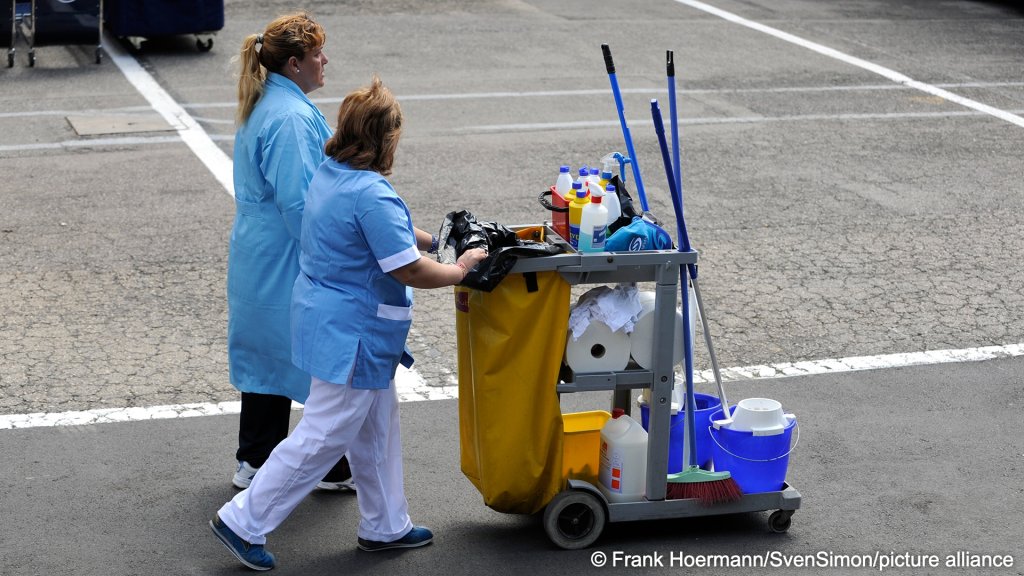
What workers describe
Several undocumented workers who spoke to InfoMigrants describe the same pattern of exploitation. Sunanda, a young migrant from Bangladesh, describes life without papers in blunt terms: "you don’t get a job properly, and whenever you get a job, the owners don’t give you salary properly." She adds, "You don’t have a weekend. You don’t have a holiday," turning the abstract idea of irregularity into a picture of non-stop work without enforceable rights.
She also describes how status changes the balance of power. "Whenever you have [legal status], the people here respect you," she says, while "without papers, people will keep on treating you as someone who can be ignored or scammed." In her opinion, a residence permit affects everything from wages to housing, because undocumented workers often cannot rent independently and are pushed into overcrowded or unstable living arrangements.
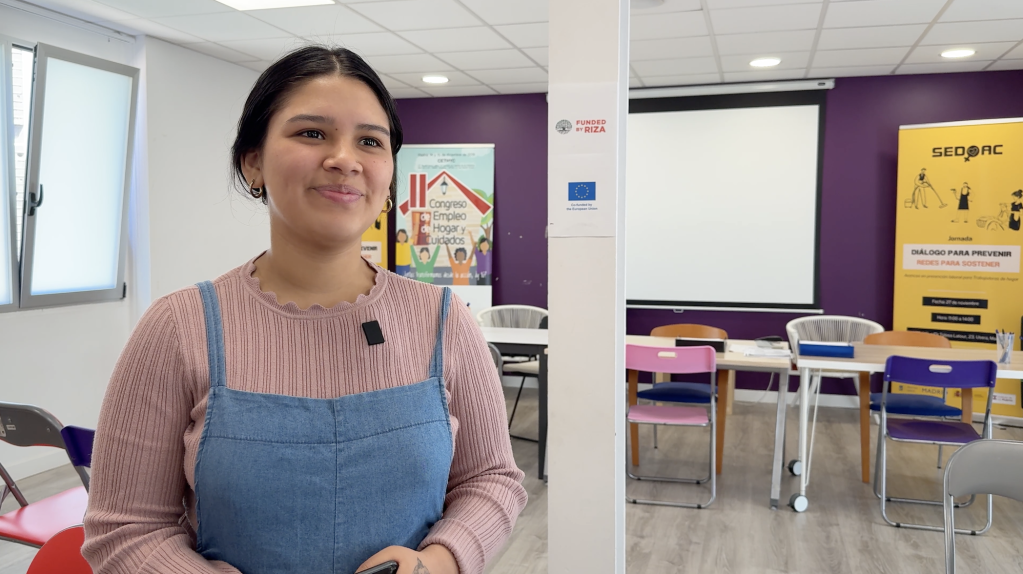
Other migrants from Latin America describe the same pattern. A Paraguayan migrant visiting the CETHYC center tells InfoMigrants that the regularization would allow people "to work with more dignified wages" and have "more rights, like everyone else." She explains that it is "very difficult to work without documents because people pay you whatever they feel like." Mary Ann, a young Peruvian migrant, says that without papers she can only work "under the table, by the hour, only cleaning," and that workers often "have to take risks and have to put up with many things out of necessity."
Read AlsoFor Sunanda, Spain's regularization means more than papers
The government’s argument
Carlos Prieto, the government’s delegate in Catalonia, notes that this is Spain’s seventh extraordinary regularization and says that when "a large number of people" are living in irregular status, "this benefits no one." He says the real winners are "exploitative employers," who pay "five or eight euros per hour," call workers whenever they want and offer "no labor rights or compensation in case of accidents."
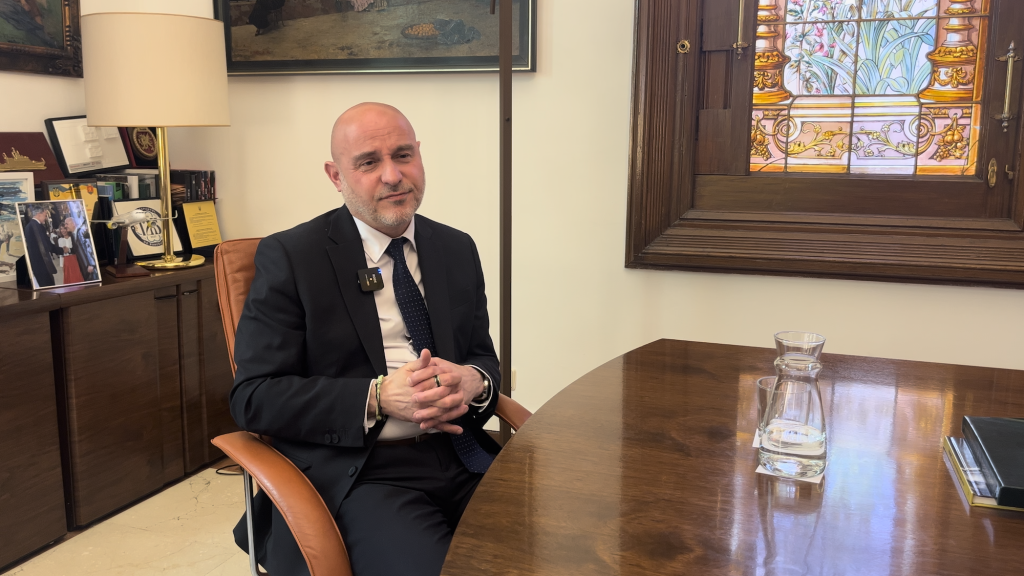
Prieto says the goal is to "bring order" by giving "social rights and the right to work" to people who already live in Spain. He argues that regularization moves workers out of the informal economy and into Social Security and taxation, while still requiring proof of time in the country, criminal records, and other documentation.
Immigration lawyer Teresa Gómez makes the same point from a legal angle. She says undocumented workers end up in the informal economy, where they cannot register with Social Security and struggle with housing and stable work. She adds that the new process is unusually practical because people can work provisionally once they receive a file number and NIE, which may shorten the time they spend trapped in irregularity.
Read AlsoSpain: Regularization drive to be supported by job matching initiative
Latin American labor
Espínola says most of the people expected to benefit are of Latin American origin and that women make up a majority of those likely to be regularized. Fanjul makes the point even more starkly, saying that "almost the total of the migrants that are in an irregular situation are from Latin America," largely because many arrive on visas and overstay rather than entering through the routes that dominate the imagery of Europe’s border politics.
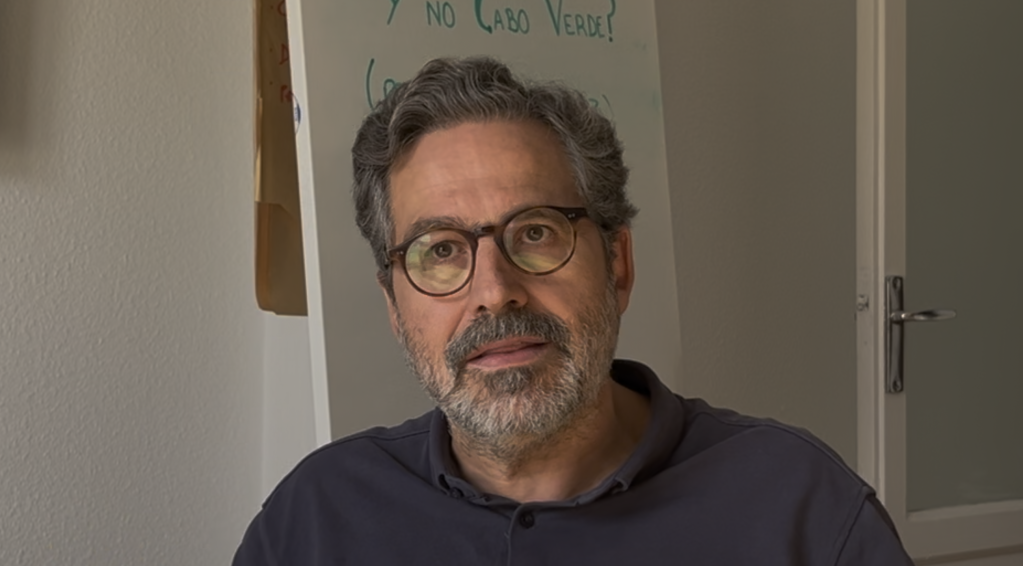
That changes the picture of who is being exploited. Fanjul argues that the campaign succeeded when it showed that undocumented migrants were not distant outsiders but often "the woman that was working in their house every morning," caring for children and older people while living in "a de facto situation of apartheid." In other words, the workers most affected are often already embedded in daily Spanish life, close enough to sustain it and yet still excluded from full labor rights.
Read AlsoSpain grants record number of citizenships amid labor shortages and declining birth-rates
The political fight over exploitation
The broader fight is not only administrative but political. Fanjul says the campaign gathered more than 600,000 signatures and support from close to 1,000 organizations across the ideological spectrum, but he also warns that the debate has since been reshaped by far-right rhetoric around welfare, housing and "national preference." He argues that Spain risks depending on migrant labor while refusing migrants equal standing in the society they already sustain.
Taken together, the accounts from activists, workers and government officials point to the same basic problem: irregularity makes exploitation easier. It gives employers leverage over wages, hours, contracts and housing, and leaves workers with few ways to resist. In that sense, Spain’s regularization drive is not only about providing a legal status to people who are already residing in the country. It is also an attempt to dismantle an informal labor system that has long depended on vulnerable workers who are often be underpaid, overworked and kept invisible.
Read AlsoMigrant truck drivers fill Europe's labor shortage, but face risk of exploitation