
The European Union has reached a deal to set up "return hubs" in third countries for people whose asylum claims have been denied. The new stricter migration rules could have significant consequences for migrants and asylum seekers, while raising serious human rights concerns.
The European Union has reached a deal to make its migration and asylum rules stricter. The agreement, announced on Monday (June 1) after negotiations between the European Parliament and EU member states, includes plans to set up so-called "return hubs" outside EU borders. The move comes as countries seek to increase deportations of rejected asylum seekers.
For migrants, asylum seekers, policy makers, and anyone following European migration policy, the new rules could have significant consequences. Here is what you need to know.
Read AlsoRefugees and migration: Is Europe closing its doors?
What are return hubs?
Return hubs are facilities in non-EU countries where people whose asylum claims have been denied can be sent if they cannot be deported to their home country. This might happen if their home country refuses to take them back, if the EU country seeking to deport them has no diplomatic relations with their home country, or if their identity cannot be verified.
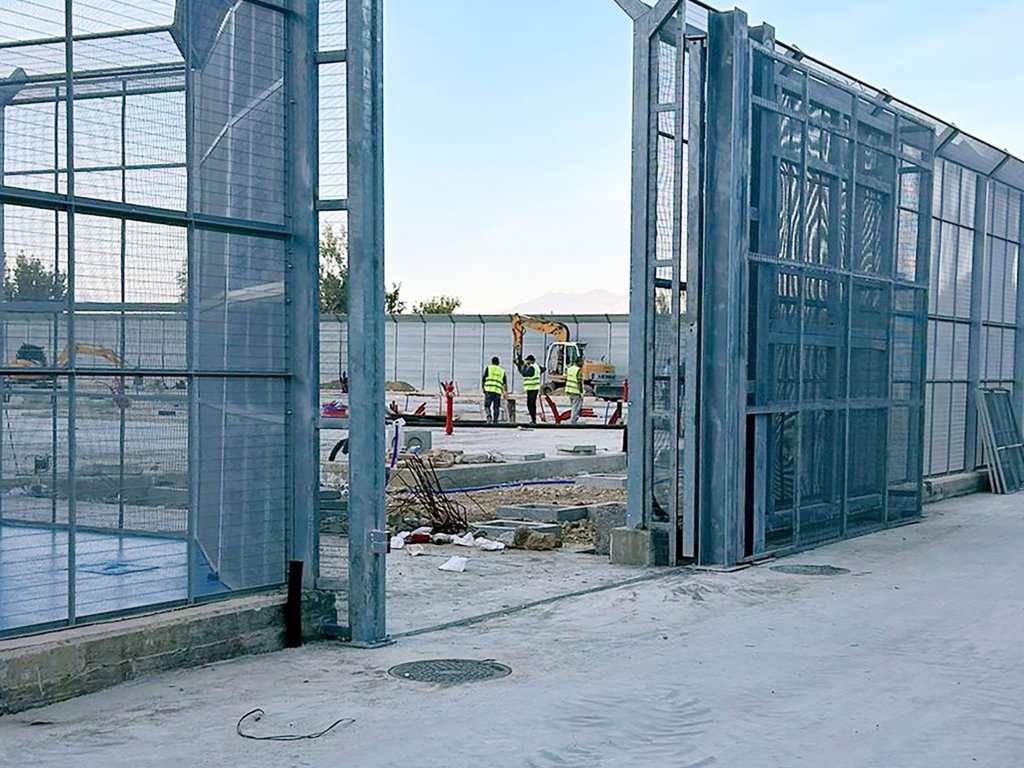
Migrants do not need to have any connection to the country where the return hub is located. The only requirement is that an agreement exists between an EU country and that third country. These centers could serve as temporary transfer points before deportation or as longer-term places of stay for people being returned.
Read AlsoEU reaches deal on 'return hubs' for rejected asylum-seekers
What does this mean for migrants?
For migrants already in the EU, the new rules mean that if their asylum application is rejected and they are ordered to leave, they may face detention more easily and for longer periods. They will be required to cooperate with authorities, or face penalties including loss of social benefits and confiscation of travel documents. If they cannot be sent to their home country, they could potentially be transferred to a return hub in a third country, where their stay could be indefinite while arrangements are made.
For people considering migration to Europe, the deal signals that the EU is taking a harder stance on irregular migration. Return hubs are intended to act as a deterrent, but it is still unclear how many people will be affected.
For families with children, the rules allow for detention in some cases, though unaccompanied minors will generally not be deported. This represents a change from previous practice in some countries where children were rarely detained.
For migrants who have lived in the EU for years but lack legal status, the stricter enforcement could mean increased risk of detention and deportation, particularly if they refuse to cooperate with authorities or are seen as a security risk.
Read AlsoEU migrant 'return hubs' – explained
Why is the EU creating these centers?
According to the European Commission, only around 28 percent of migrants ordered to leave the EU are currently returned to their home countries. The new rules aim to improve this rate. Irregular border crossings into the EU decreased by 40 percent in the first four months of 2026 compared to the same period in 2025, according to the EU's border control agency Frontex.
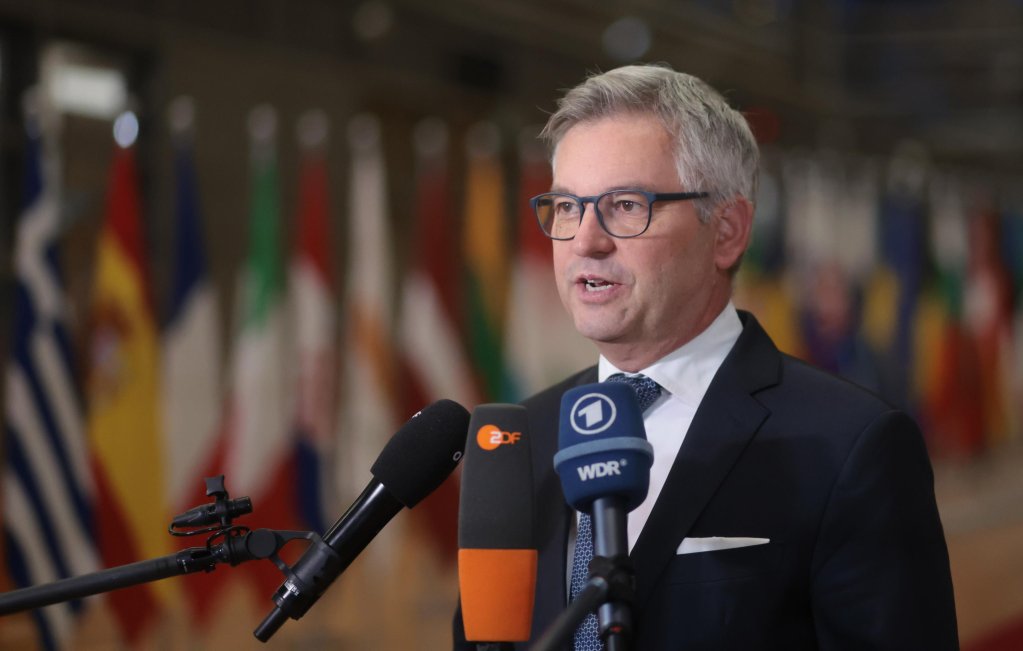
According to EU Migration Commissioner Magnus Brunner, the new rules give authorities more control over who can come to the EU, who can stay, and who needs to leave. Proponents argue that return hubs could make deportations easier, act as a warning to people considering irregular migration routes, and help countries manage migration more effectively. Some member states, including Austria and Germany, are already exploring options to set them up.
Read AlsoGermany: Interior Minister wants more deportations, especially of criminals
Is this legal?
The legal status is not fully clear. A legal opinion from the European Court of Justice in April said that offshore centers like Italy's facilities in Albania may not violate EU law, but only if certain conditions are met. People in these centers must have access to a lawyer, receive language support, be able to contact relatives, and reach relevant officials.
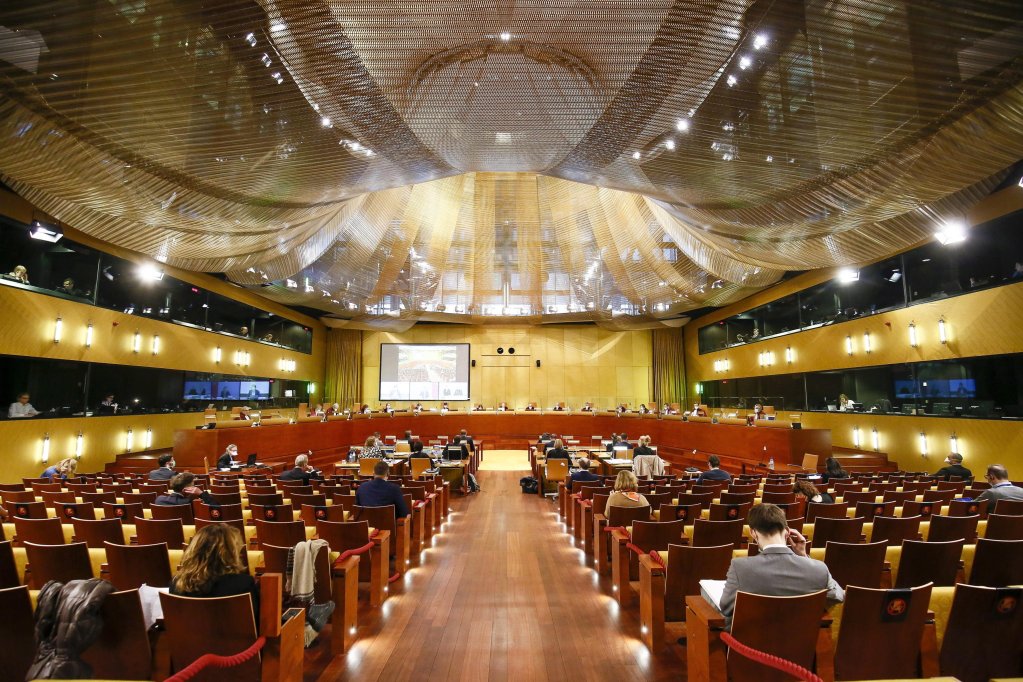
The new EU regulation would make return hubs legal by explicitly allowing member states to establish them through agreements or arrangements with third countries. These must ensure respect for international human rights standards and the principle of non-refoulement, though Amnesty International and other rights groups have warned that return hubs in third countries could expose people to inadequate protection and violations of human rights.
Read Also
Declaration to adapt wording of ECHR is passed, with potential to make migrant returns easier
What do human rights groups say?
Major human rights organizations strongly oppose the deal. Marta Welander from the International Rescue Committee warned that the agreement will give governments much broader powers to detain and deport people. She said it looks set to normalize immigration raids, expand the use of detention in prison-like facilities outside EU territory that are essentially legal black holes, and increase the risk of people being deported to countries where they could face persecution, torture, or worse.
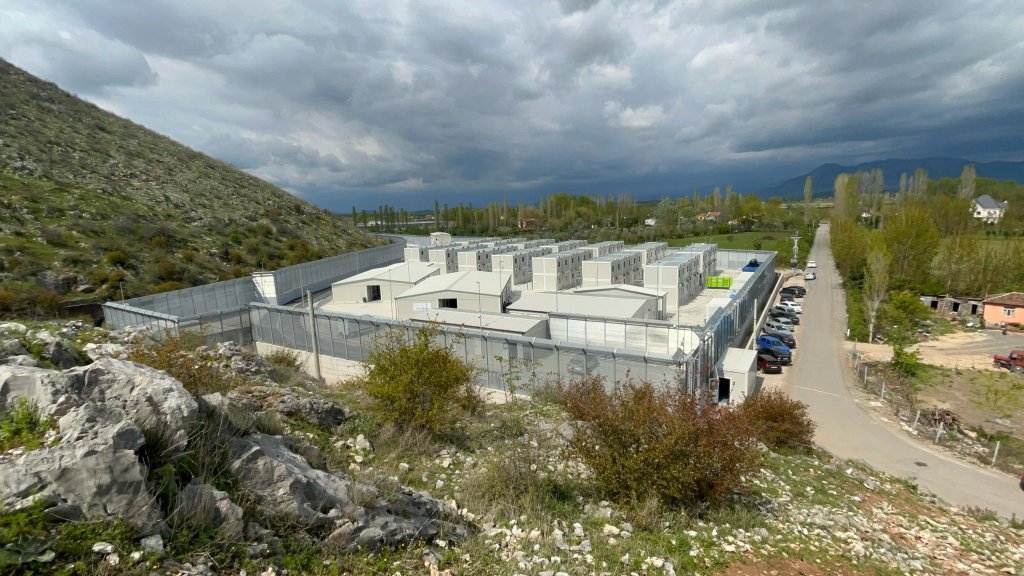
Critics say return hubs could become places where oversight is minimal, people face arbitrary or indefinite detention, and rights are difficult to enforce. Birgit Sippel, a European lawmaker from the center-left Socialists and Democrats (S&D) group, said the deal would usher in mass detention, including for families and children, and raids reminiscent of heavy-handed practices used by US Immigration and Customs Enforcement under President Donald Trump.
Caritas said the EU is outsourcing its responsibilities. The aid organization Platform for International Cooperation on Undocumented Migrants (PICUM) warned of increased surveillance and discrimination in countries where migrants have never been. Churches and other aid groups call it criminalization of migration.
Read AlsoGreek border pushbacks: Frontex reports describe abuse, masked men and a climate of impunity
Who would be accountable for abuses?
The EU Agency for Fundamental Rights (FRA) explicitly states that 'return hubs are not a rights-free zone' and that Member States and/or Frontex remain accountable for rights violations at the hubs during the entire duration of stay, not just during transfers. This includes violations related to conditions of detention, access to healthcare, treatment of vulnerable people, and living conditions.
The FRA sets out five conditions for return hubs to comply with EU law: individual legal decisions for each person, compliance with EU return rules (including that children should never be sent to return hubs), legally-binding agreements with host countries, minimum standards for treatment, and independent monitoring mechanisms.
However, it is unclear whether these protections would apply to distant countries that are not EU candidate members, such as Rwanda, Libya, or Ethiopia, which have weaker institutional ties to the EU. Enforcement remains uncertain where access to EU courts is severely limited, creating a risk of fundamental rights protections existing on paper but not being enforceable in practice.
Read AlsoECJ issues rulings interpreted to be in favor of outsourcing asylum procedures
What else is changing?
The new rules include several other measures that affect migrants. There is now a strict obligation for migrants subject to expulsion to leave and cooperate with authorities. Those who refuse to do so face harsher penalties, including detention.
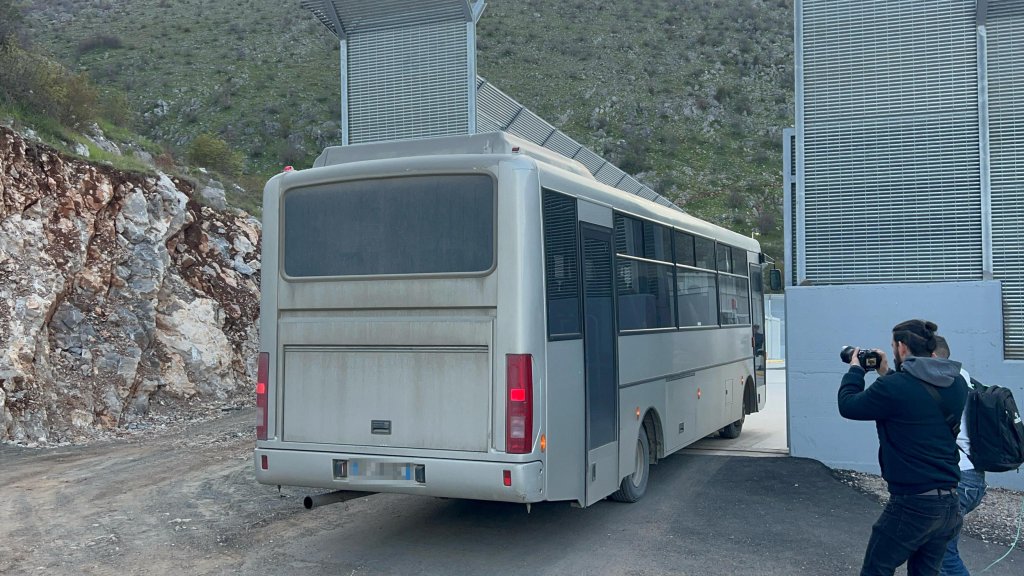
Detention will be easier to use, especially if there is a security risk, if identity checks are needed, or if there is a risk someone will abscond. The permissible duration of detention has been extended to a maximum of 24 months, with a possible six-month extension in special cases. Entry bans will be applied more systematically. Social support could be reduced or cut for those ordered to leave, and travel documents could be confiscated.
While unaccompanied minors generally will not be deported, families with children could face detention under the new rules.
Read AlsoAustria limits refugee family reunification under new quota system
Which countries are already planning return hubs?
Several EU countries are moving forward with plans, including Austria, Denmark, the Netherlands, Greece, and Germany. Italy has already established facilities in Albania. Germany is working with other EU states on agreements, and the country's Interior Minister Alexander Dobrindt has said he aims to reach deals with third countries by the end of 2026.
Potential partner countries reportedly under consideration include Rwanda, Libya, Mauritania, Uzbekistan, and Ethiopia. Well-informed sources suggest EU countries have identified about a dozen potential partner nations.
Read AlsoNetherlands approves EU migration pact, stricter asylum rules to take effect
When will the new rules take effect?
The deal still needs formal approval from the European Parliament and member states, though this is typically a formality. Once published in the EU Official Journal, the regulation enters into force. Most measures will apply immediately, while some provisions will be delayed by 12 months to give countries time to adjust national laws.
Read AlsoEU migration pact: How France plans to implement the new rules
What is the political background?
The deal was politically controversial. The European People's Party (EPP), which includes Germany's CDU and CSU, passed the legislation with support from far-right groups in the European Parliament. Investigations revealed coordination through a WhatsApp group between EPP and right-wing members, as well as a personal meeting between lawmakers.
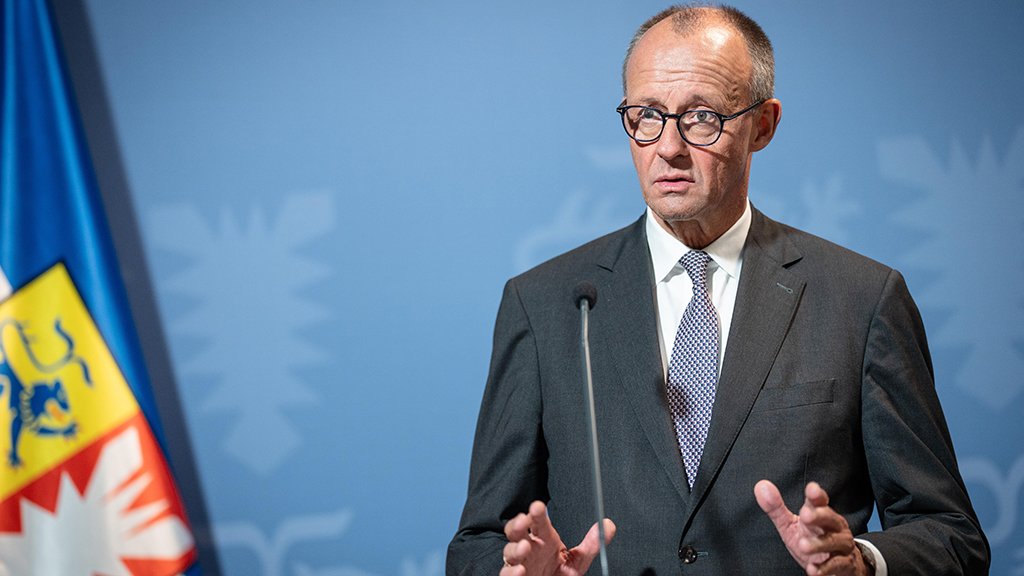
German Chancellor Friedrich Merz criticized this cooperation, saying they do not work with right-wing radicals in the European Parliament. EPP leader Manfred Weber defended the vote, saying it shows European solutions to combat irregular migration are possible.
The far-right ECR group celebrated the agreement, saying the era of returns has begun. Meanwhile, the French Green lawmaker Mélissa Camara called the result a shameful agreement between member states and a majority of EPP and far-right parties. The SPD's Birgit Sippel said the deal gives in to panic-mongering by the right in Europe despite falling arrival numbers.
Read AlsoEU votes in favor of migrant 'return hubs'
Will the reform be effective?
Its effectiveness remains uncertain. Supporters believe it could significantly increase deportation rates and deter irregular migration. However, some EU diplomats question whether it will affect many people at all. One diplomat speaking anonymously said it is unclear how this will work.
The reform has proved politically divisive. Some countries, including France and Spain, have questioned the effectiveness of return hubs. The debate highlights a broader tension within the EU: balancing migration control with legal obligations and human rights protections.
Read AlsoHow does Germany deport people?
Has this been tried before?
Past attempts show significant challenges. The United Kingdom abandoned its scheme to deport undocumented migrants to Rwanda after legal challenges, despite spending about 830 million euros. The plan never really got off the ground.

Italy's facilities in Albania have faced legal challenges at the European Court of Justice and have seen slow implementation. Critics point to these hurdles as warnings about what could go wrong with the EU-wide version.
Previous offshore schemes have faced major legal, political and financial obstacles, raising questions about whether the EU is taking on a high-risk model with uncertain results.
Read AlsoECJ judge issues legal opinion in support of Italy's migrant processing centers in Albania
What does this mean in context?
The reform was launched in response to political pressure to curb migration, which has fueled far-right electoral gains across the continent. At the same time, migrant arrivals have gone down. In Germany, asylum applications in May 2026 fell to their lowest level for that month since 2012, excluding the pandemic year of 2020.
EU Migration Commissioner Magnus Brunner praised the agreement, saying the new rules give more control to ensure returns are implemented consistently.
Read AlsoEU parliament to harden its stance on asylum seekers
With AFP/dpa