
In the Netherlands, the Dutch Senate (Eerste Kamer) has approved the national rollout of the European Migration Pact, with lawmakers voting in favor of some of the strictest asylum measures allowed under the new framework. The changes, including shorter temporary residence permits and tighter family reunification rules, are expected to take effect on June 12. Other EU nations meanwhile are also preparing to be ready for the new system by mid-June.
Asylum seekers in the Netherlands will face some major changes starting in mid-June: Above all, they will no longer be eligible to receive permanent or unlimited residence permits, regardless of their circumstances.
Instead, they will be issued temporary permits, which are subject to renewal upon reassessment. Furthermore, the validity of such temporary permits will be shortened from five years to three years.
Dutch officials will in future also impose tougher requirements for family reunification procedures.
The measures are all intended to keep immigration and asylum numbers at bay.
Read AlsoThe Netherlands adopts a two-tier asylum system, limiting family reunification
Appeal window reduced to two weeks
Another major change is the scrapping of the so-called "intention procedure" in the Netherlands as part of the changes.
This legal provision had previously set a requirement for the Immigration and Naturalisation Service (IND) to let asylum seekers know in advance about its projected decision in any asylum case.
This was intended to give asylum seekers an opportunity to respond to any impending negative decision with mitigating information before it is finalized, and thus prevent the case from entering legal appeals procedures.
In addition to abolishing the "intention procedure," Dutch officials have also voted to reduce the time allowed to appeal a decision issued by the IND from four weeks to just two.
Read AlsoThe Netherlands rejected the majority of its asylum requests in 2025
Criticism against tighter rules
The Dutch Bar Association has responded to this stricter regimen as an "unnecessary restriction on access to justice."
Critics of the changes have, in general, warned that asylum seekers will be negatively affected by the new laws.
Various asylum organisations have also criticized the government's course, saying that it was using the mandatory rollout of the EU-wide migration pact as an excuse for tightening the country's asylum rules further.
According to the Dutch news platform NL Times, lawmakers in many instances also chose to integrate the Europe-wide agreements into national law, choosing mostly the stricter options available within the EU framework.

This comes after the proposed Asylum Emergency Measures Act failed to pass the Dutch Senate last month. However, six of its nine proposed measures have now been implemented anyway into Dutch law with its interpretation of the EU Migration Pact, while the measures are still up for debate, according to Dutch broadcaster NOS.
Two of the three measures that failed to pass so far have already been tabled on the agenda of the lower house of parliament: the introduction of faster deportation procedures of asylum seekers who have been convicted of crimes, and the abolition of fines that the IND has to pay when it misses decision deadlines.
Wait times likely to be longer, not shorter, in the immediate future
Following the legal changes, the IND and other government agencies will now have to overhaul many of their procedures; while one of the overall aims of the changes is to ultimately speed up asylum processing times, the implementation of the new laws could, for the time being, result however in additional waiting times
Meanwhile, the Council of State -- one of the highest judicial bodies in the Netherlands -- has issued a warning that the implementation of the many changes could increase the workload for agencies like the IND, which are responsible in these cases.
Many Dutch public services are already stretched thin, and courts across the country report a backlog of asylum-related cases.
The IND, in particular, also faces the hurdle of the introduction of a new six-month limit on how long it can take to issue a first decision on any given asylum application.
In response, the IND has said it will prioritise new asylum applications submitted as of June 12, which will likely mean that those who have submitted their claim before June 12 will now face longer waiting period to hear a decision.
This will likely affect an estimated 50,000 asylum seekers, authorities say, although the IND issued a statement, saying it was on track to make "faster decisions on asylum applications" as per the EU pact.
Immigration remains major political talking point in Netherlands
The legal changes come as the atmosphere in the Netherlands appears to be turning against immigrants.
In recent weeks, there have been a series of violent protests in various parts of the country against asylum seekers in particular.
On May 12, around 400 rioters in the central Dutch town of Loosdrecht managed to set fire to shrubs at an asylum shelter, causing scenes of chaos.

Read AlsoWhy are people protesting against asylum in the Netherlands?
The same week in Apeldoorn, about 100 demonstrators spent several days protesting plans to house 240 asylum seekers at a local facility.
In The Hague, dozens of anti-asylum protesters clashed with counter-protestors around the same time.
Meanwhile, the controversial migrant reception center in Ter Apel, which is already operating at around 10 percent above its 2,000-person capacity, is expected to come under further pressure: The new asylum registration scheme will channel all new arrivals through Groningen, which is the local municipality that Ter Apel falls under.
Read AlsoRioting leads to fire in asylum facility in the Netherlands
Most EU countries still busy getting ready for asylum pact
In the broader European context, the implementation of the pact meanwhile will involve, among other things, swifter screening procedures of new arrivals to the bloc at the EU's external borders and faster deportation procedures of people who have no right to stay in the EU.
Most divisively, the pact will also allow individual EU members to seek solutions to process asylum claims in safe countries outside the bloc, effectively outsourcing asylum to locations outside EU jurisdiction.
While procedures in such third countries would still have to be in line with EU law, they could likely allow for different interpretations and implementations of the law.
Meanwhile, EU-wide progress to meet the June 12 deadline is varied, according to the European Commission.
An EU report, released on May 8 in preparation for the launch date, states that Czechia, Cyprus, Germany, Ireland, and Slovakia had already adopted most of their required national legislation by May 19; the Netherlands has now also joined that list.
Ten other EU countries, however, still currently have draft laws moving through their respective parliaments to adapt EU law into national law.
The European Commission has allocated 3 billion euros in funds to help with the implementation phase.
Read AlsoFingerprints, facial recognition and databases: EU prepares to launch its EES border control system
Concern about Eurodac readiness
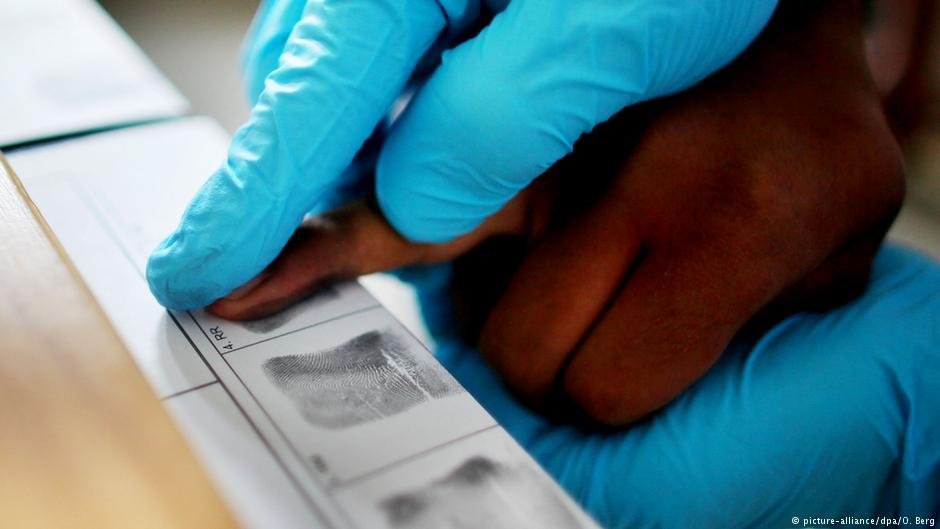
According to the latest report, the most pressing outstanding issue is the full roll-out across all member states of Eurodac — the central biometric database that serves as the cornerstone of nearly every other part of the pact.
Without a fully functional Eurodac system, the solidarity mechanism and joint border procedures cannot function properly; while the system itself is now technically ready, it has not been fully integrated into national systems.
As of mid-April 2026, only 11 EU member states were fully on track to connect to Eurodac by June, while nine had not yet even started testing procedures.
Another key issue still requiring a great deal of work across the bloc in anticipation of the June 12 deadline is the setting up of certain legal protection frameworks, which the pact requires to be in place for asylum seekers, children, and vulnerable people.
In concert terms, this means access to free legal counseling during all the administrative stages of asylum procedures.
Cyprus, Greece, Hungary, Estonia, Latvia, and Italy have not yet implemented mechanisms to ensure this, while Belgium, Hungary, Italy, and Malta have not yet concluded other arrangements related to the full implementation of this dimension of the pact.
Read AlsoGermany and other EU countries need to catch up on asylum reform, report finds
What happens next?
According to the website of the European Travel Information and Authorisation System (ETIAS), adjustments can however be made beyond the June 12 deadline.
ETIAS says that the European Commission "made clear the June 12 date is a beginning, not an endpoint."
"It will assess in July and again in October 2026 whether transfer rule practices among Member States constitute systemic shortcomings that could undermine the entire system."
Read AlsoEU migrant 'return hubs' – explained